
Cinnamal (Cinnamaldehyde)
The cinnamon note — one of the stronger fragrance allergens, and the one most likely to link a cosmetic reaction to a food (cinnamon) sensitivity
INCICinnamal
- Category
- Fragrance
- Risk level
- medium
- Why it's flagged
- EU-labelled fragrance allergen; a comparatively strong sensitiser and also a skin irritant
- What it is
- The aldehyde behind cinnamon's scent; from cinnamon bark oil or synthesised
- Relative risk
- Among the stronger fragrance sensitisers — and an irritant as well as an allergen
- Cross-reactors
- Cinnamyl (cinnamic) alcohol, cinnamon oil, and balsam of Peru; relevant to dietary cinnamon sensitivity
- EU labelling
- Must be named above 0.001% (leave-on) / 0.01% (rinse-off); on the expanded 2023 allergen list
Look for these names on ingredient lists
This ingredient may appear under any of these names:
Commonly found in
Possible reactions
- Red, itchy rash at the contact site
- Swelling of lips or skin
- Burning or stinging sensation
- Cheilitis (inflamed lips) from lip and oral products
- Oral/perioral reactions from cinnamon-flavoured products
Top picks without Cinnamal (Cinnamaldehyde)
Highly rated products whose ingredient lists don't include Cinnamal (Cinnamaldehyde).
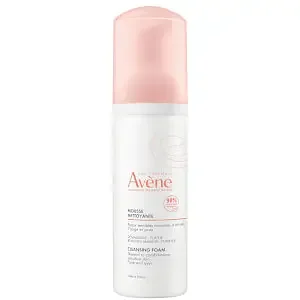
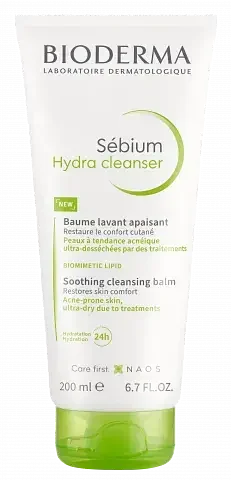
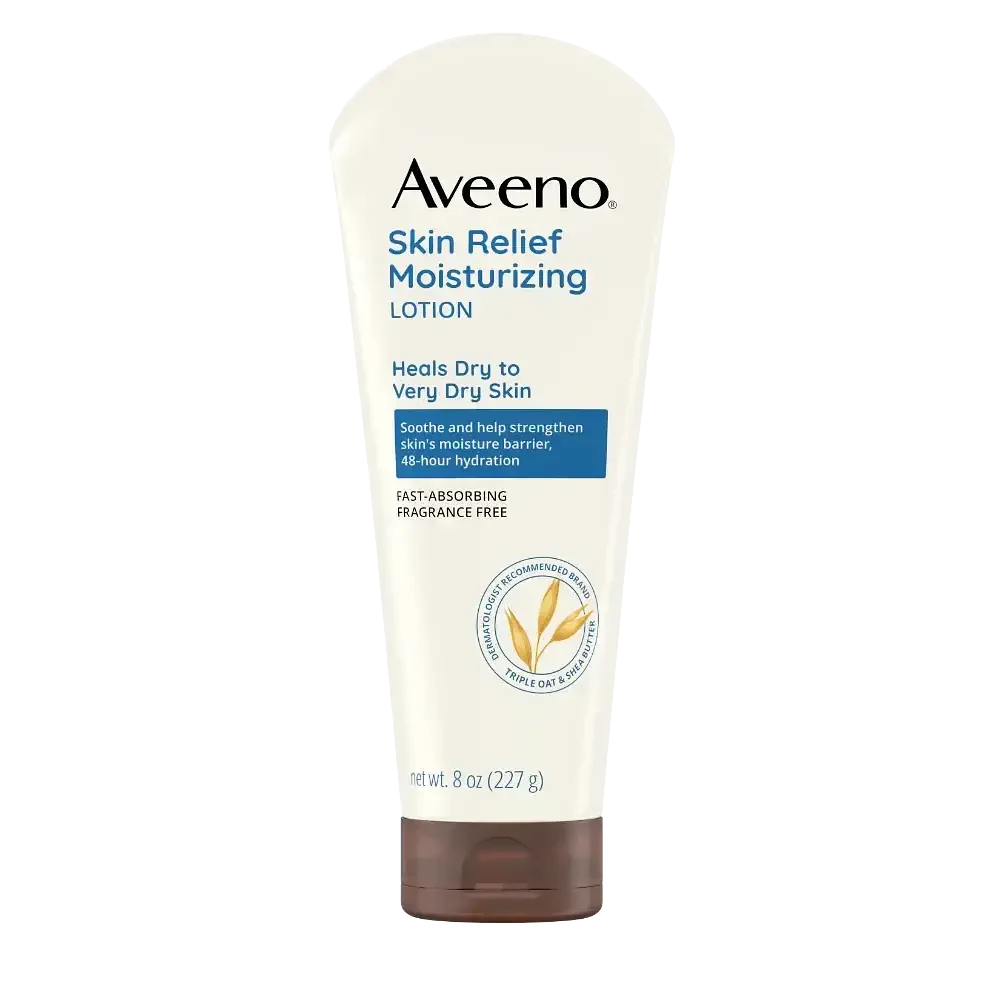
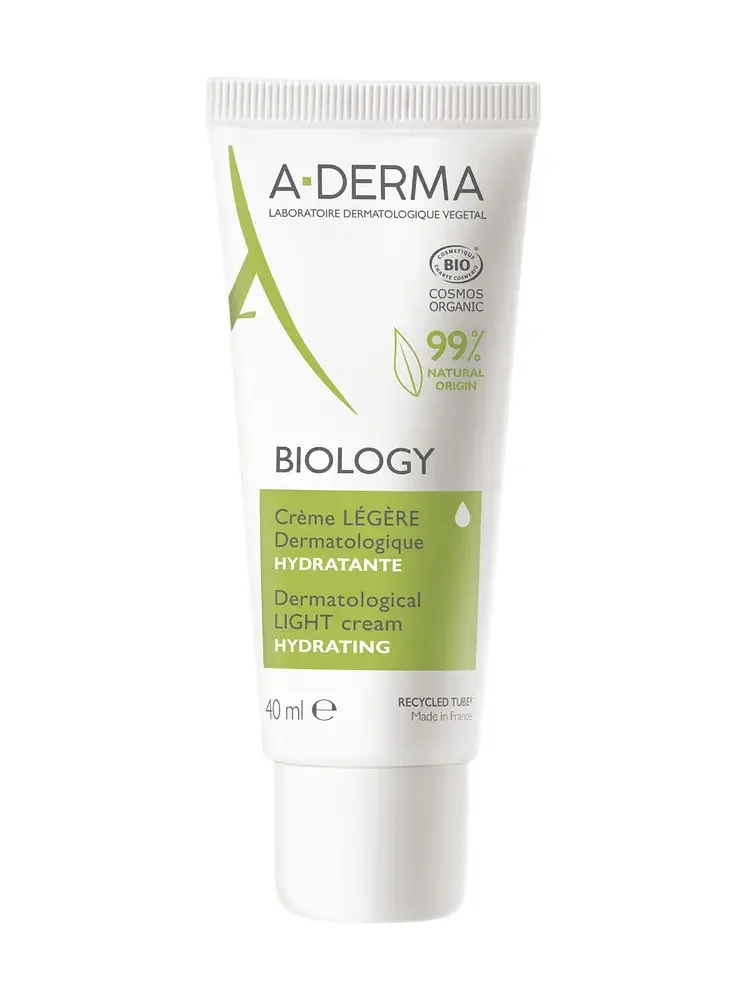
As an Amazon Associate, AllerNote earns from qualifying purchases.
Always scan the actual label before use — formulations change.
Scan a product for this concern
What is cinnamal?
Cinnamal — better known as cinnamaldehyde — is the organic compound behind cinnamon's warm, spicy aroma. It occurs naturally in cinnamon bark oil and is also made synthetically, and it shows up in warm/spicy perfumes, flavoured lip products, toothpaste, mouthwash, and cinnamon-scented home products. Perfumers use it in small amounts to add warmth to floral and oriental compositions.
The same reactive chemistry that makes it smell good makes it a problem: cinnamal is both a skin irritant and one of the stronger fragrance sensitisers, and it's a member of Fragrance Mix I, the standard patch-test screen.
Why it causes reactions
Cinnamal is an aldehyde — a chemical class that reacts readily with skin proteins. On contact it can bind epidermal proteins to form antigens the immune system recognises, triggering allergic contact dermatitis in sensitised people; it can also simply irritate at higher concentrations. The reaction is dose-dependent.
Two features make it especially worth knowing:
- Lip and oral relevance. Cinnamon-flavoured lip balms, plumpers, toothpaste, mouthwash, and gum are frequent causes of cheilitis and perioral/oral reactions, because the tissue is thin and the contact is repeated.
- Food cross-relevance. Because it's the same molecule in spice and cosmetics, dietary cinnamon sensitivity and cosmetic cinnamal allergy can overlap. It also cross-reacts with cinnamyl alcohol, cinnamon oil, and balsam of Peru.
Cinnamal is one of the clearest places where a cosmetic reaction and a food sensitivity meet. If cinnamon gum or toothpaste burns your mouth and a spicy perfume bothers your skin, that's a coherent pattern — and a reason to treat cinnamon broadly, not just one product.
How to spot and avoid it
- Read labels for Cinnamal, Cinnamaldehyde, Cinnamic Aldehyde, and Cinnamon/Cassia Oil.
- Swap flavoured lip/oral products for mint or unflavoured versions.
- Avoid warm "spicy" fragrances if sensitised.
- Patch test new lip and perioral products if you get recurrent cheilitis.
Safer alternatives
- Fragrance-free or non-spicy scents (verify no cinnamon oil).
- Mint/unflavoured toothpaste and lip care.
- For warmth without cinnamal: vanilla or sandalwood-based fragrances, confirmed cinnamon-free.
The bottom line
Cinnamal is the cinnamon note that's both irritant and stronger allergen, with a special talent for sore lips and a genuine bridge to dietary cinnamon sensitivity. Treat natural cinnamon oil as the same allergen, and if you react, manage cinnamon as a family — cinnamyl alcohol and balsam of Peru included.
Was this article helpful?
One tap tells us what to write more of. No account needed.
Is this ingredient in your products?
Scan any cosmetic product to check for Cinnamal (Cinnamaldehyde) and 30+ other allergens instantly.
References & further reading
- Cinnamal / cinnamic aldehyde contact allergy — overview DermNet
- Cinnamal contact allergy — review PubMed / Contact Dermatitis
- CosIng / Regulation (EU) 2023/1545 (labelled fragrance allergens) EUR-Lex