
Smart Product Comparator
Compare two products side by side: paste or photograph each ingredient list for plain-English notes and gentle flags. Signed in? Trigger Detective can help find patterns across products you’ve reacted to.
Sign in to check results against your personal allergy profile.
0 ingredients detected
0 ingredients detected
Add ingredients for both products
How the product comparator works
Switching products, or deciding between two you already own? Paste each product's ingredient list — or upload a photo of the label — and AllerNote reads both, names every ingredient in plain English, and lines them up side by side. You see which ingredients the two share, which are unique to each, and which are common irritants or fragrance allergens worth a second look.
Popular comparisons
See all comparisons →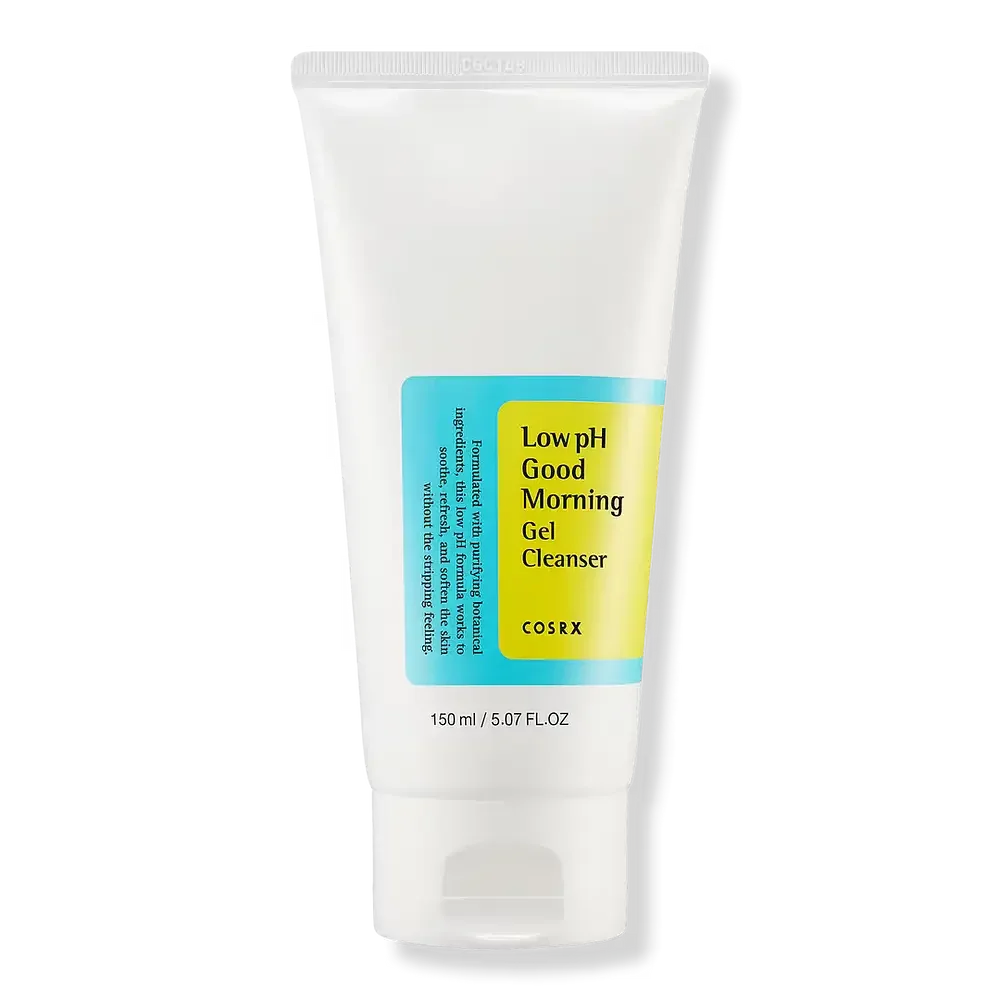
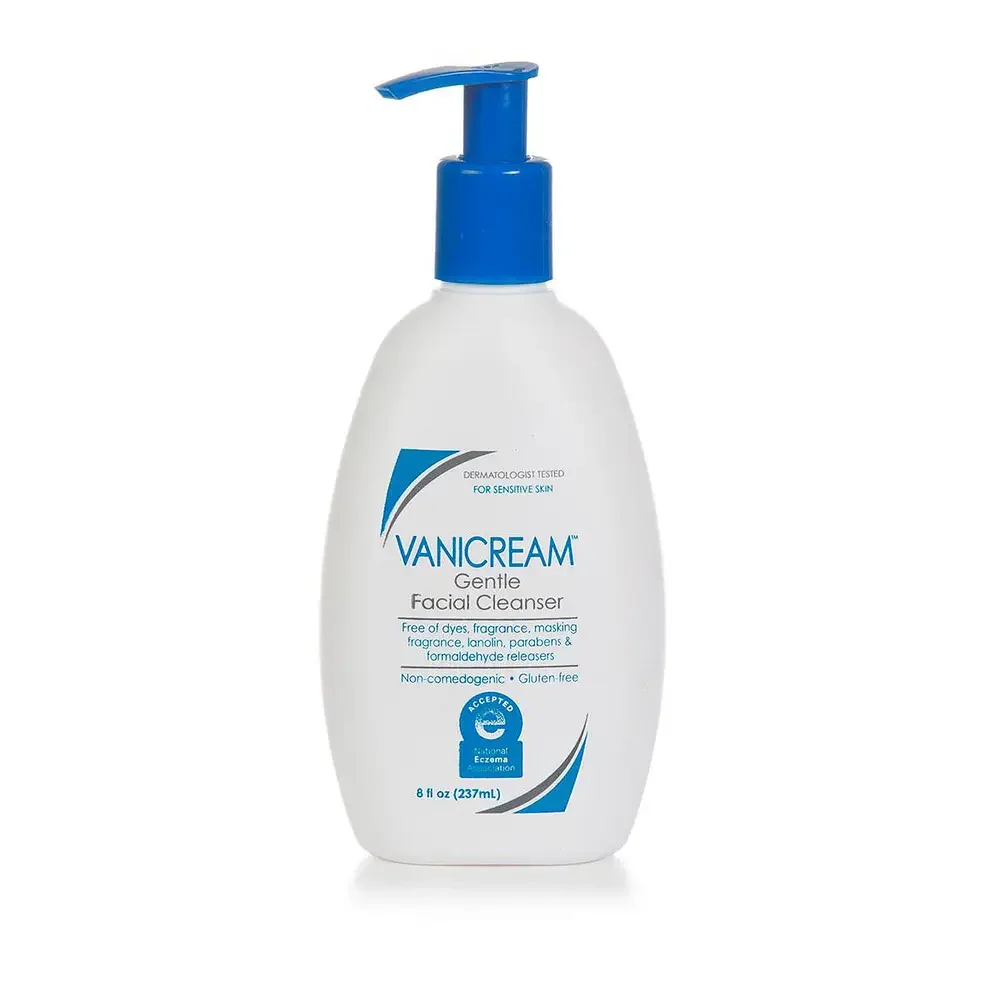
COSRX Low pH Good Morning Gel Cleanser vsVanicream Gentle Facial Cleanser
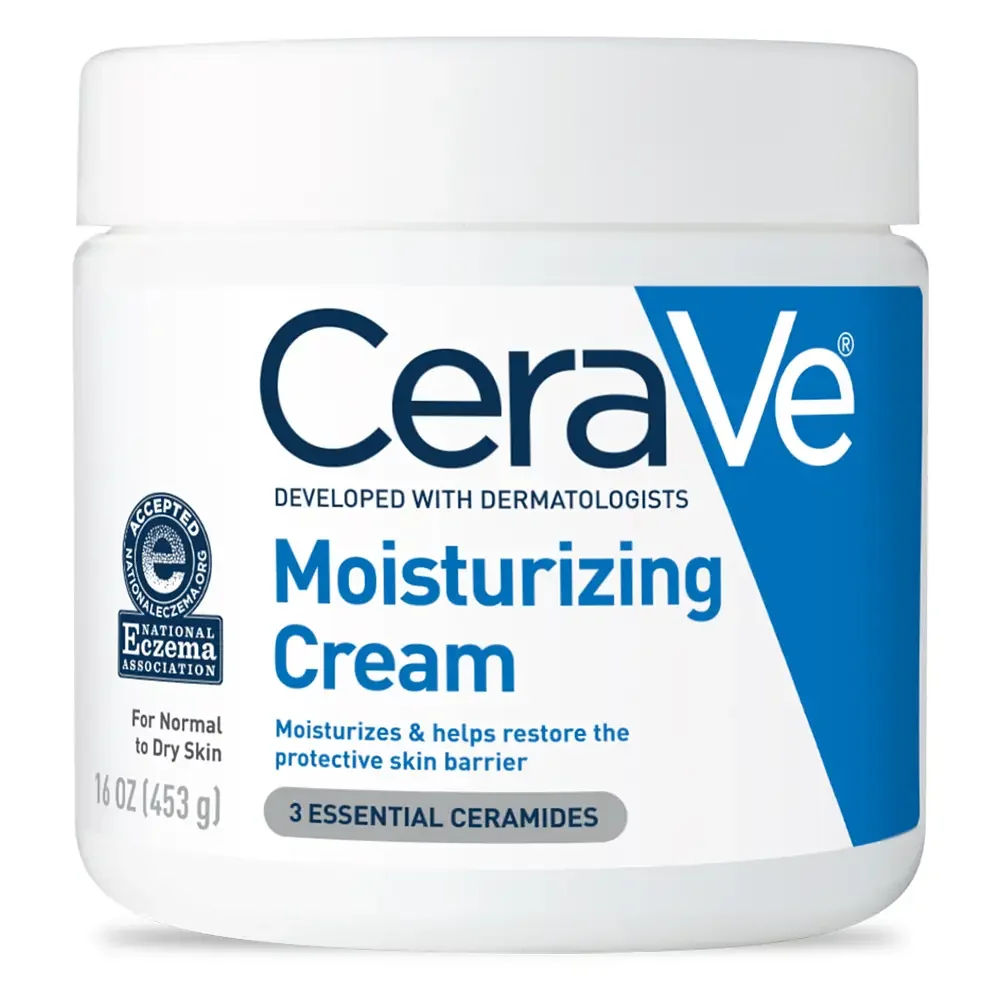
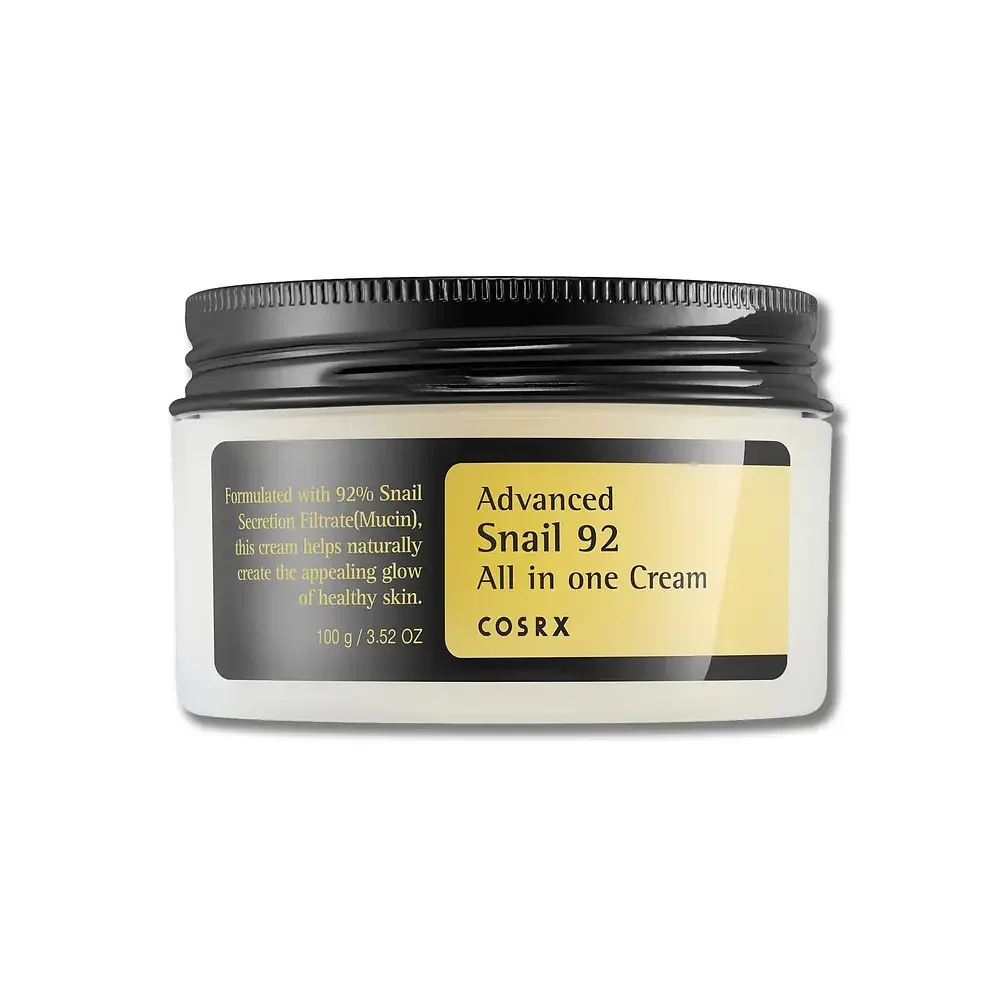
CeraVe Moisturizing Cream vsCOSRX Advanced Snail 92 All In One Cream
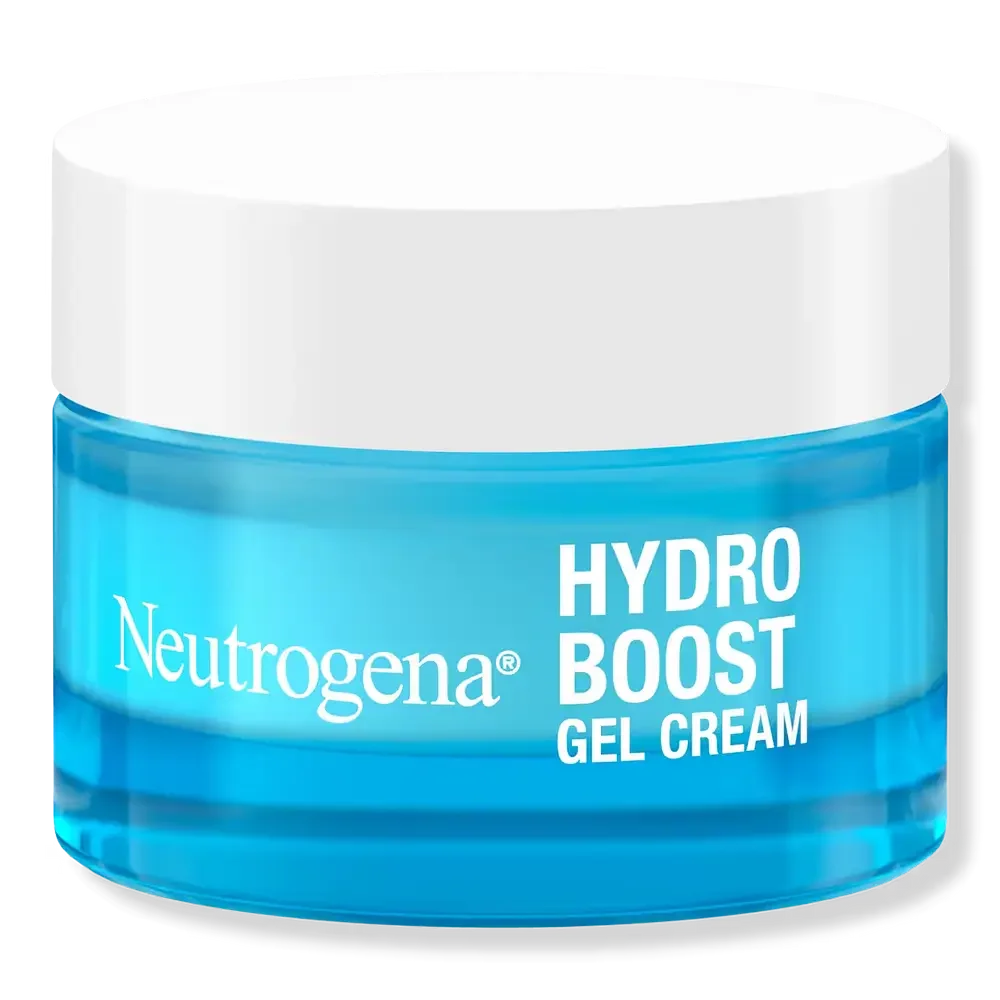
COSRX Advanced Snail 92 All In One Cream vsNeutrogena Hydro Boost Gel Cream
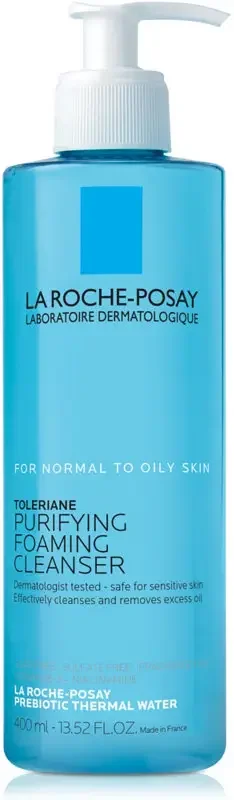
COSRX Low pH Good Morning Gel Cleanser vsLa Roche-Posay Toleriane Purifying Foaming Face Cleanser
Vanicream Gentle Facial Cleanser vsLa Roche-Posay Toleriane Purifying Foaming Face Cleanser
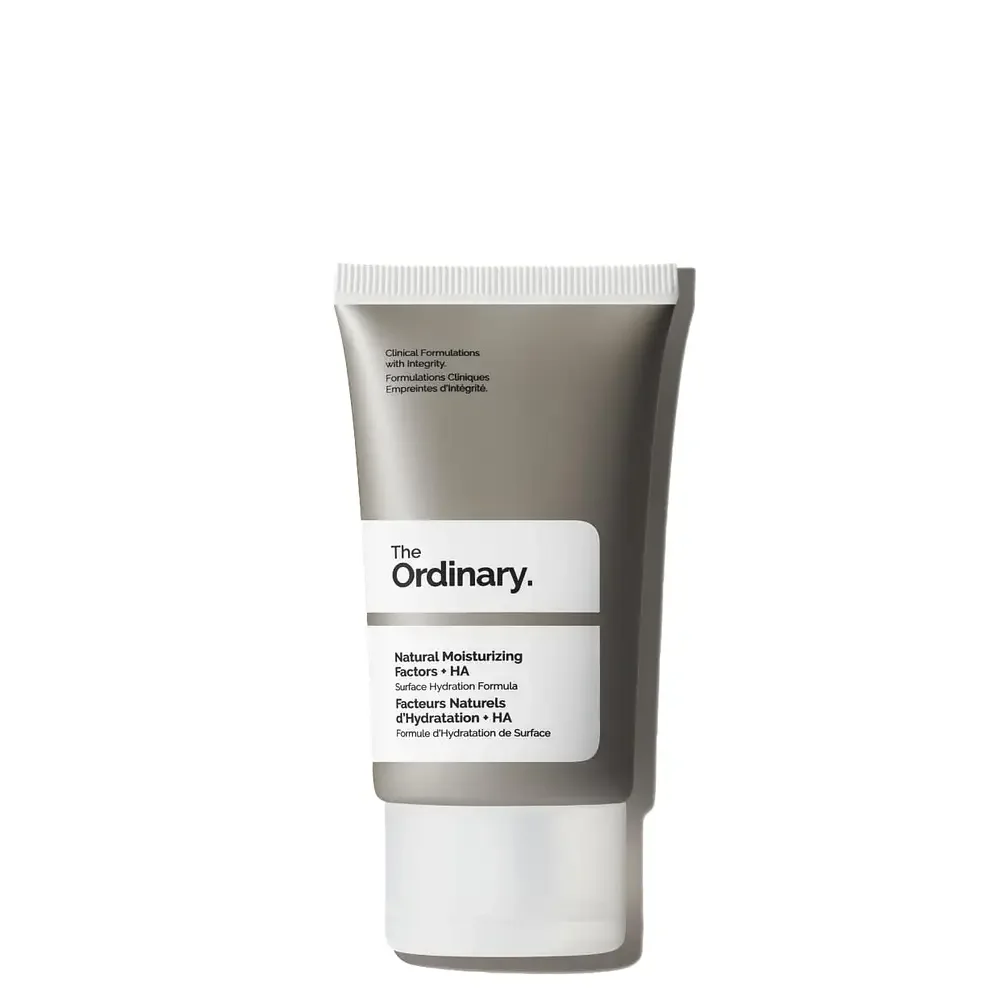
COSRX Advanced Snail 92 All In One Cream vsThe Ordinary Natural Moisturizing Factors + HA

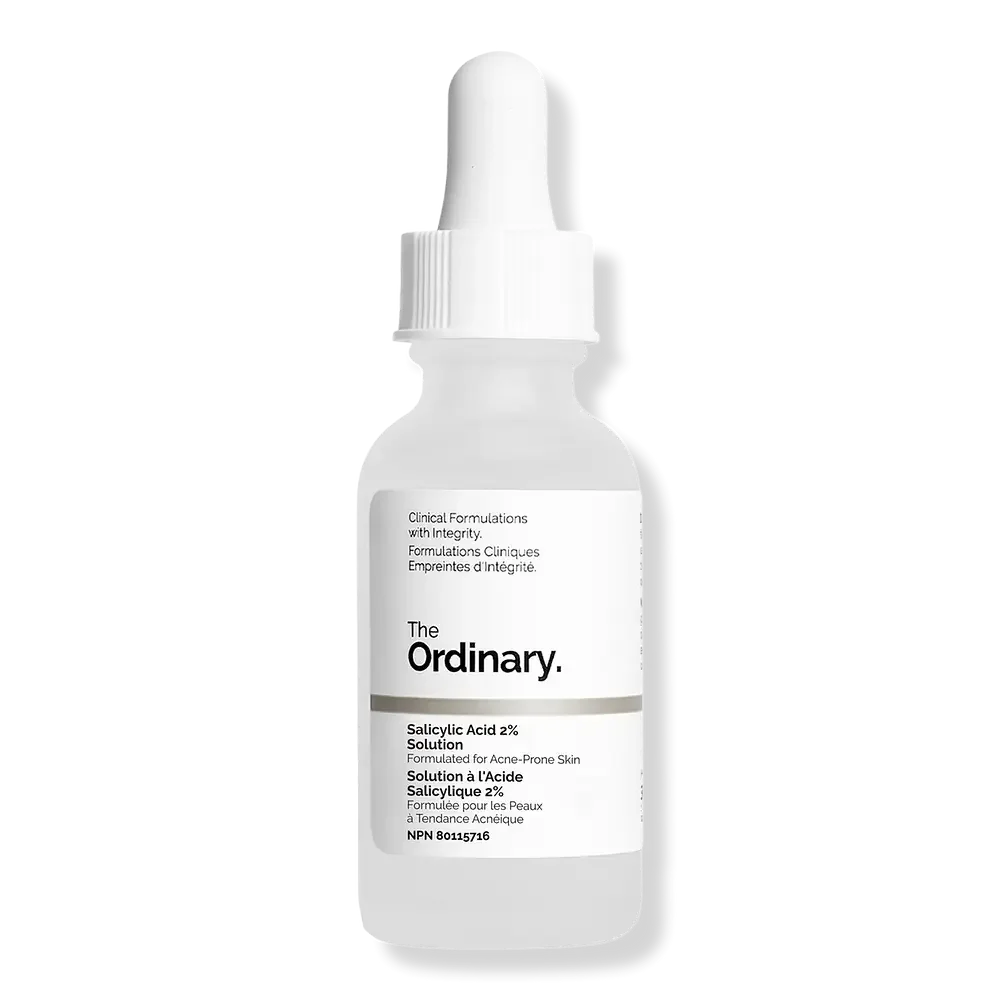
Paula's Choice Skin Perfecting 2% BHA Liquid Exfoliant vsThe Ordinary Salicylic Acid 2% Solution
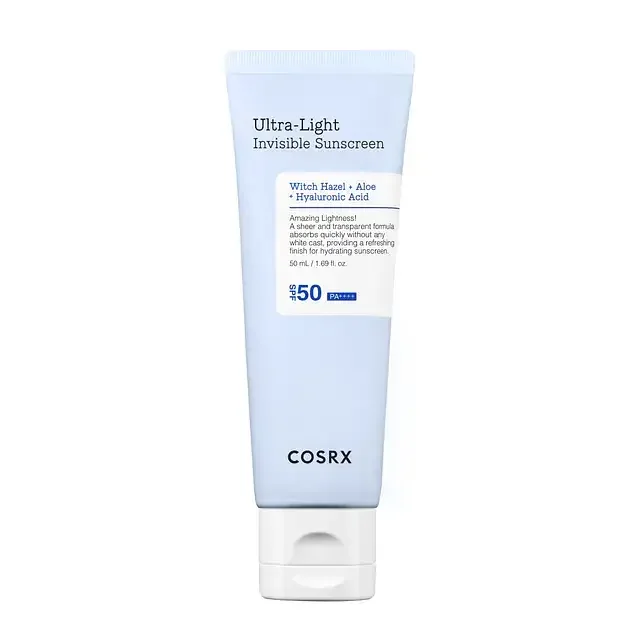

COSRX Ultra-Light Invisible Sunscreen SPF 50 PA++++ vsLa Roche-Posay Anthelios Invisible Fluid Facial Sunscreen SPF50+
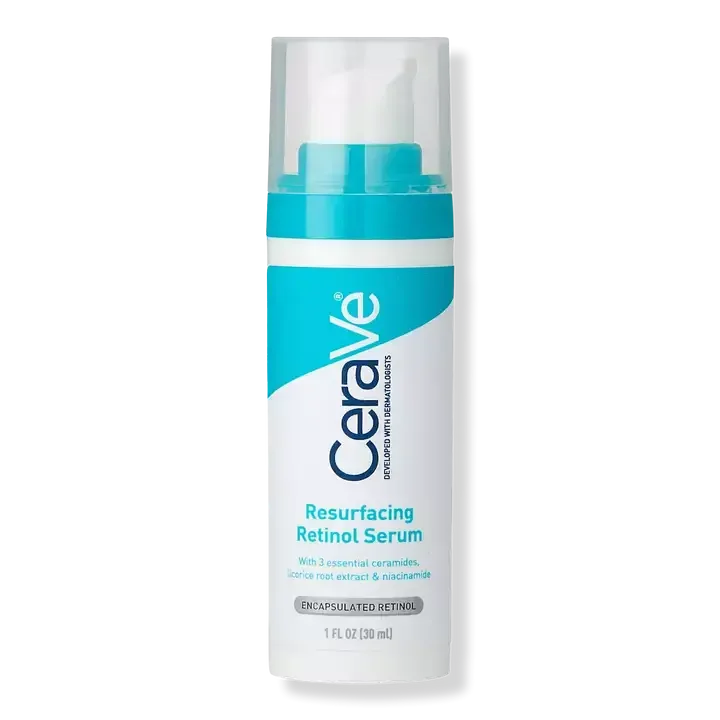

CeraVe Resurfacing Retinol Serum vsVichy Mineral 89 Fortifying and Plumping Daily Booster

CeraVe Resurfacing Retinol Serum vsLa Roche-Posay Hyalu B5 Face Serum with Hyaluronic Acid
How to compare two skincare products, step by step
- Grab both ingredient lists. Paste the INCI list from each packaging, or photograph the label — the comparator reads either format.
- Name each product (optional). Labeling them helps you read the side-by-side results at a glance, but it isn't required.
- Run the comparison. AllerNote identifies every ingredient in both formulas and lines them up: shared, only-in-A, and only-in-B.
- Check the flagged irritants. Common irritants and fragrance allergens are called out in each product, not just listed.
- Match against your allergens. Sign in with a saved allergen profile and any matching ingredient in either product is highlighted directly.
Compare cosmetic formulas side by side
Two products can look almost identical on the front of the bottle and be very different underneath. The comparator surfaces those differences: a "fragrance-free" claim that still hides parfum, a gentler cleanser that swaps a harsh sulfate for a mild surfactant, or a moisturiser that adds a preservative you react to. Sign in and add your allergens to highlight any ingredient in either product that matches your own profile.
Common mistakes when comparing ingredients
- Comparing marketing claims, not ingredients. "Gentle" and "dermatologist-tested" aren't regulated terms — the INCI list is the only reliable comparison.
- Ignoring ingredient order. INCI lists are ranked by concentration, so the same ingredient near the top of one formula and the bottom of another behaves very differently.
- Missing synonyms. Fragrance allergens and preservatives often appear under multiple INCI names — the comparator matches these automatically so a swapped name doesn't slip through.
- Assuming fewer ingredients means safer. A short list can still contain a single ingredient you react to; total count matters less than what's flagged.
Frequently asked questions
Is the product comparator free?
Yes. Compare any two products by pasting or uploading their ingredient lists — no account needed. Sign in to also check both against your saved allergens.
What can I compare?
Any two cosmetics with printed ingredient lists — moisturisers, cleansers, sunscreens, serums, shampoos, and more. Paste the INCI lists or upload a photo of each label.
What does the comparison show?
Plain-English notes on each ingredient, which ones the two products share, which are unique to each, and any common irritants or fragrance allergens flagged in either formula.
Can it tell me which product is safer for me?
Sign in and add your allergens, and the comparison highlights any ingredient in either product that matches your profile — so you can see at a glance which is the better fit for your skin.
Do I need to sign up?
No. The side-by-side comparison works anonymously. A free account adds personal allergen matching and saved history.
What should I compare first, ingredients or reviews?
Ingredients. Reviews reflect other people's skin and expectations, not what's actually in the bottle — the INCI list is the one fact that doesn't vary by reviewer. Compare ingredients first, then use reviews for texture or scent preferences.
Can two products with different ingredient lists both be safe for me?
Yes. Safety depends on your own allergens and sensitivities, not a universal ranking. Two very different formulas can both be free of the ingredients that trigger you — sign in and add your allergens so the comparison checks against your specific profile, not a generic "clean" list.
Does the comparator work for makeup, sunscreen, and haircare too?
Yes — any product with a printed INCI ingredient list, including sunscreens, foundations, shampoos, and conditioners, not just skincare.
Browse by category
Looking for products without a specific allergen? Fragrance-free picks, browse common allergens, or read more on ingredient safety in our Learn hub.