
Citronellol
A rose-scented fragrance terpene that the EU requires to be named on labels — a useful clue for people with fragrance allergy
INCICitronellol
- Category
- Fragrance
- Risk level
- low
- Why it's flagged
- EU-declared fragrance allergen — must be named on the label above set thresholds
- What it is
- A terpene alcohol with a fresh, rose-like scent — a major component of rose and geranium oils
- EU labelling
- Must be named when above 0.001% in leave-on or 0.01% in rinse-off products; remains on the expanded 2023 allergen list
- Relative risk
- A weaker sensitiser than linalool or limonene; reported in roughly 1–2% of fragrance-allergic patients in European patch-test data
- Related allergens
- Structurally close to geraniol; both give the rose note and can appear together
Look for these names on ingredient lists
This ingredient may appear under any of these names:
Commonly found in
Possible reactions
- Itchy rash or redness where a scented product was applied
- Eczema flare in fragrance-exposed areas
- Stinging or burning on sensitive or broken skin
- Reaction more likely from leave-on products than rinse-off
Top picks without Citronellol
Highly rated products whose ingredient lists don't include Citronellol.
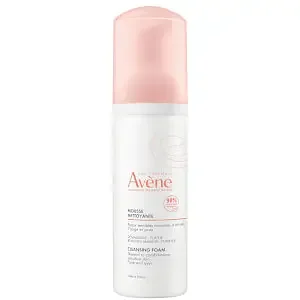
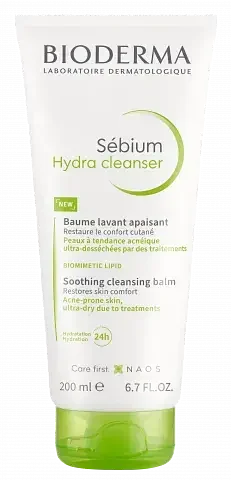
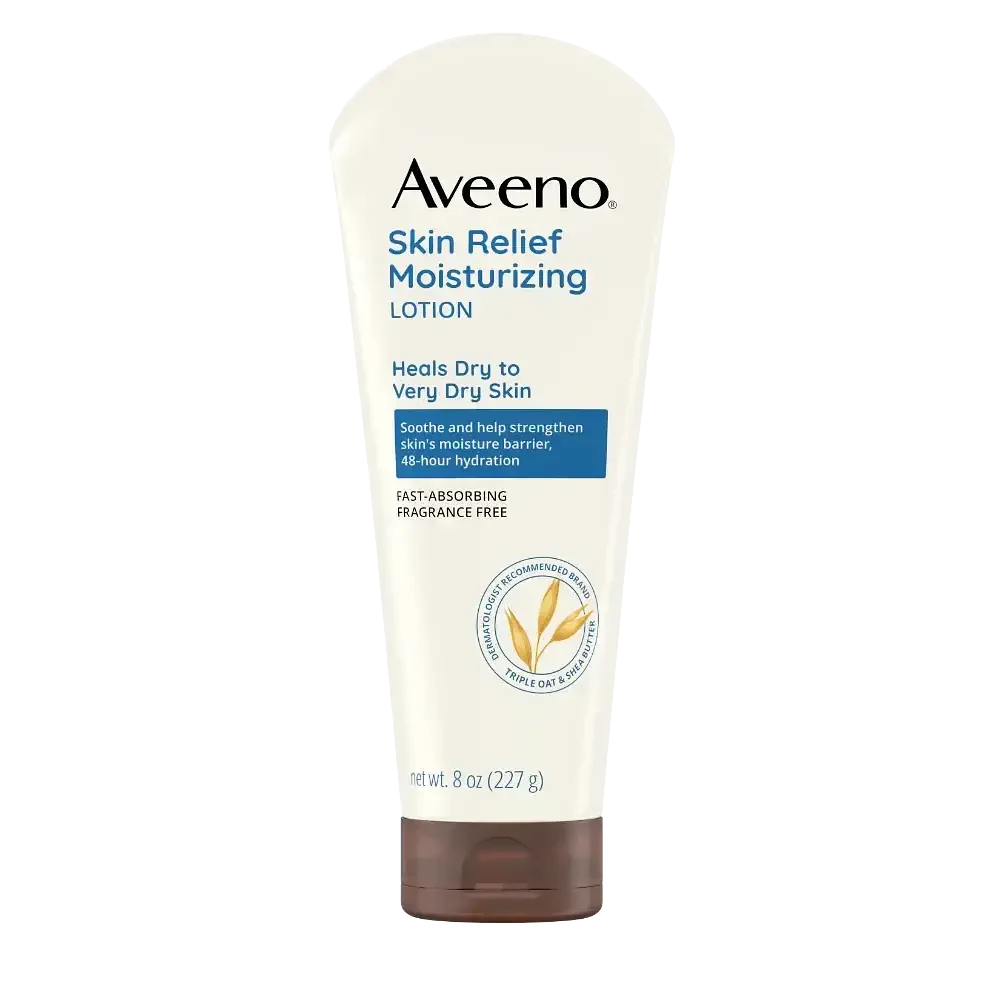
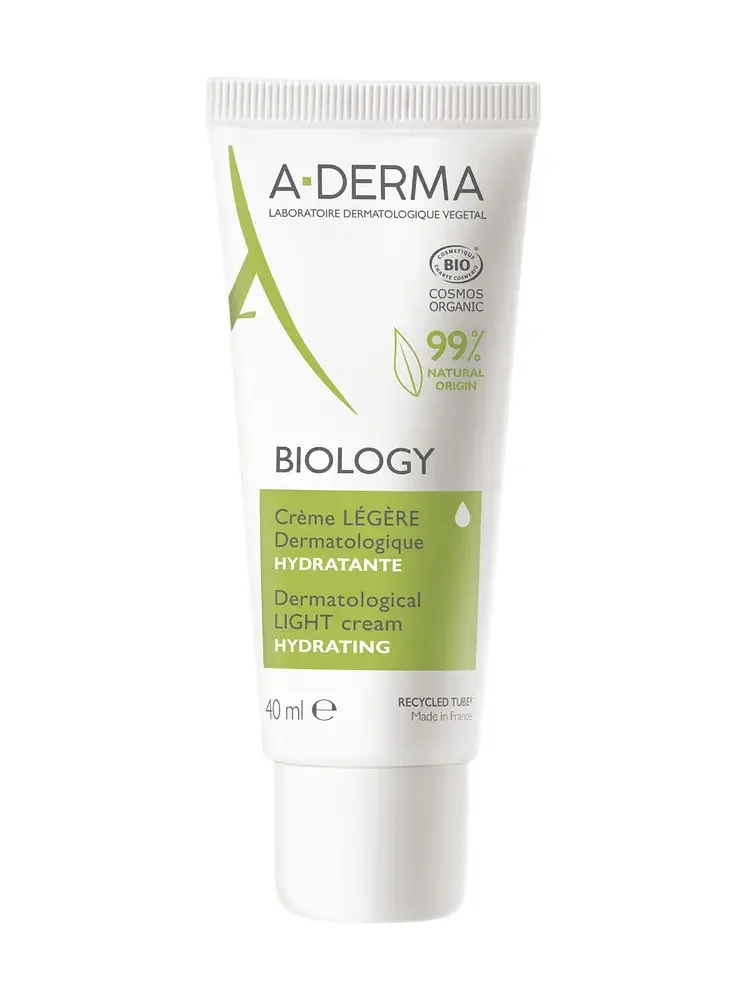
As an Amazon Associate, AllerNote earns from qualifying purchases.
Always scan the actual label before use — formulations change.
Scan a product for this concern
What is citronellol?
Citronellol is a terpene alcohol — a naturally-occurring scent molecule with a fresh, rose-like smell. It is one of the main components of rose oil (Rosa damascena), geranium oil, and citronella oil, and it is widely used to build floral and rosy notes in perfumes, lotions, soaps, and home fragrance. It exists as two mirror-image forms, both used in fragrance work, and it blends naturally with its chemical cousins geraniol and linalool to create rounded floral accords.
Despite being plant-derived, citronellol is a recognised contact allergen. Importantly, it is one of the fragrance ingredients the EU requires to be named individually on cosmetic labels — which, for someone managing a fragrance allergy, is a feature, not a nuisance: it is one of the few scent chemicals you can actually see by name.
How citronellol causes reactions
Like other fragrance terpenes, citronellol can trigger allergic contact dermatitis in people who have become sensitised to it. Two things raise the risk:
- Repeated, leave-on exposure. Lotions, perfumes, and moisturisers sit on the skin for hours, so they sensitise and provoke more readily than rinse-off products.
- Oxidation. On contact with air, terpene alcohols can slowly oxidise into more allergenic by-products. Citronellol is generally a weaker sensitiser than linalool or limonene — which are the classic "oxidise into a problem" fragrance chemicals — but the same principle applies to an old, opened bottle.
In European patch-test data, citronellol comes up as a positive in roughly 1–2% of fragrance-allergic patients — meaningfully lower than the headline fragrance markers, which is why we rate its individual risk as low. It tends to matter most as part of a pattern: someone reacting to several rose- or floral-scented products often turns out to be sensitive to a cluster of related terpenes rather than to citronellol alone.
Where you will find it
Citronellol shows up wherever a rosy or floral scent is wanted:
- Perfumes, body mists, and "rose"-themed product lines
- Floral-scented moisturisers, body lotions, and hand creams
- Bar soaps and scented body washes
- Scented candles and home/room fragrance
Because it is a building block of rose and geranium essential oils, it is frequently present in products marketed as "natural" or "botanical" even when the word citronellol does not appear — the allergen rides along inside the whole essential oil.
If a product lists Rosa Damascena Flower Oil or Pelargonium Graveolens (Geranium) Oil but no individual allergens, citronellol may still be present as a natural constituent. Whole-essential-oil products are exactly the case where "I don't see citronellol on the label" doesn't mean it isn't there.
How to avoid citronellol
- Read past the marketing line. Check the full ingredient list for "Citronellol," and also for rose, geranium, and citronella oils that naturally contain it.
- Favour fragrance-free. Products labelled fragrance-free (with the ingredient list confirmed) are the simplest way to avoid it along with every other fragrance allergen.
- Mind leave-on products first. Moisturisers, perfumes, and lip care matter more than a quickly-rinsed cleanser.
- Store scented products sensibly. Keeping them cool, closed, and out of sunlight slows the oxidation that makes terpenes more allergenic over time.
When it is worth patch testing
If rose- and floral-scented products reliably bother your skin, or you have eczema that flares around the eyes, neck, or mouth, a dermatologist can patch test the standard fragrance markers and specific components. That tells you whether you need to avoid all fragrance or only a particular family — for example the rose-type terpenes citronellol and geraniol. Knowing the difference is the gap between giving up every scented product and simply skipping a few.
The bottom line
Citronellol is a common, mostly mild fragrance allergen that the EU helpfully requires to be named on labels. For most people it is harmless; for someone with fragrance-related contact dermatitis it is a useful signpost — both as a possible trigger in its own right and as a marker that rose- and geranium-scented products are worth approaching with care.
Was this article helpful?
One tap tells us what to write more of. No account needed.
Is this ingredient in your products?
Scan any cosmetic product to check for Citronellol and 30+ other allergens instantly.
References & further reading
- CosIng — Annex III (labelled fragrance allergens) European Commission
- Commission Regulation (EU) 2023/1545 (expanded fragrance allergen list) EUR-Lex
- Contact allergy to fragrances: clinical and regulatory trends PMC / Contact Dermatitis