
Coumarin
The sweet "fresh-hay/vanilla" note of tonka bean — a relatively mild but EU-labelled fragrance allergen, surrounded by a couple of myths worth clearing up
INCICoumarin
- Category
- Fragrance
- Risk level
- medium
- Why it's flagged
- EU-labelled fragrance allergen — a recognised (if comparatively mild) contact sensitiser
- What it is
- A sweet, hay/vanilla-scented compound from tonka bean, sweet woodruff, and other plants
- Relative risk
- A comparatively mild fragrance sensitiser, but a regulated marker allergen
- Not a blood thinner
- Cosmetic coumarin is not warfarin; the anticoagulant is a different, chemically modified derivative
- EU labelling
- Must be named above 0.001% (leave-on) / 0.01% (rinse-off); on the expanded 2023 allergen list
Look for these names on ingredient lists
This ingredient may appear under any of these names:
Commonly found in
Possible reactions
- Contact dermatitis — red, itchy rash
- Swelling at the application site
- Eczema-like flare in fragrance-exposed areas
- Reaction more likely from leave-on scented products
Top picks without Coumarin
Highly rated products whose ingredient lists don't include Coumarin.
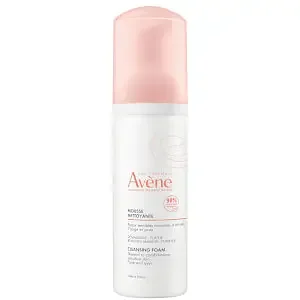
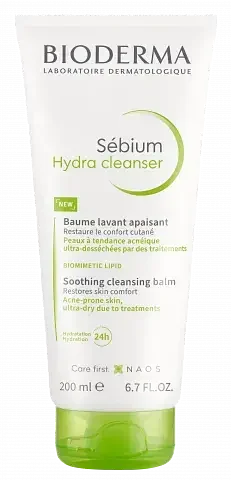
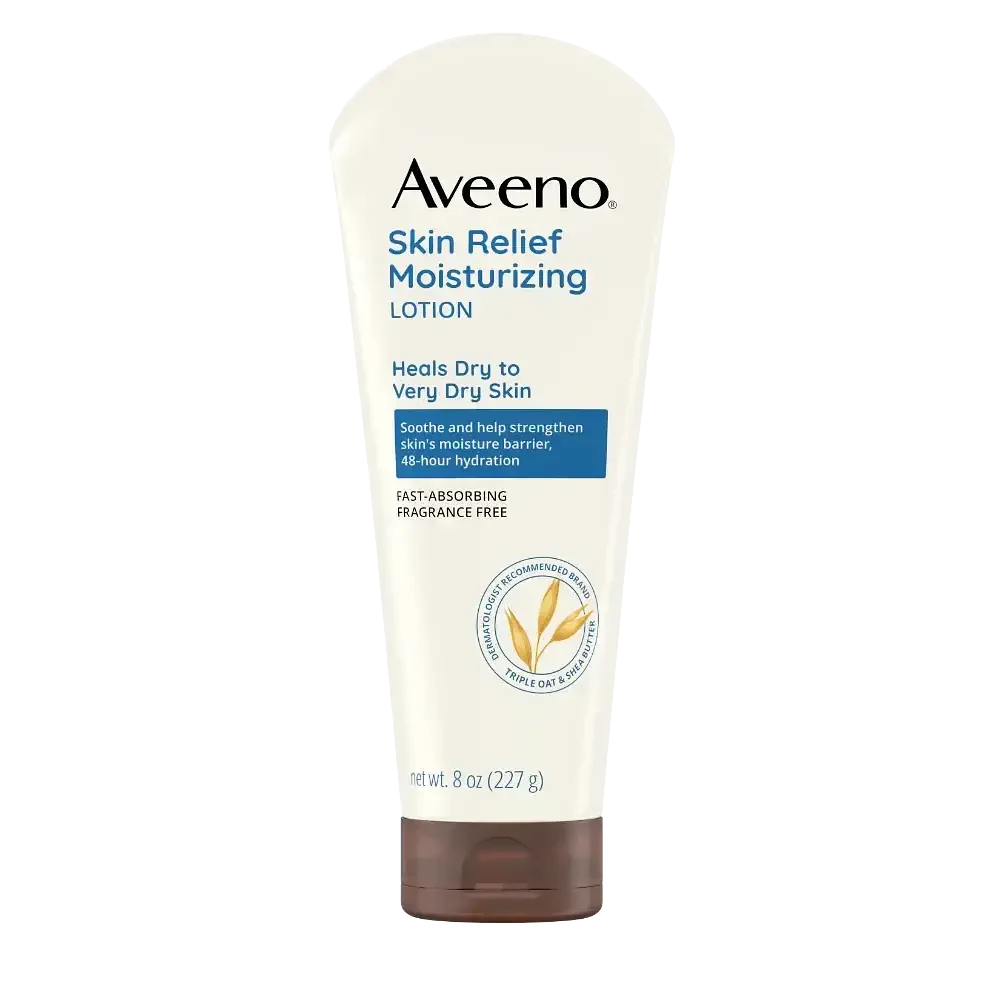
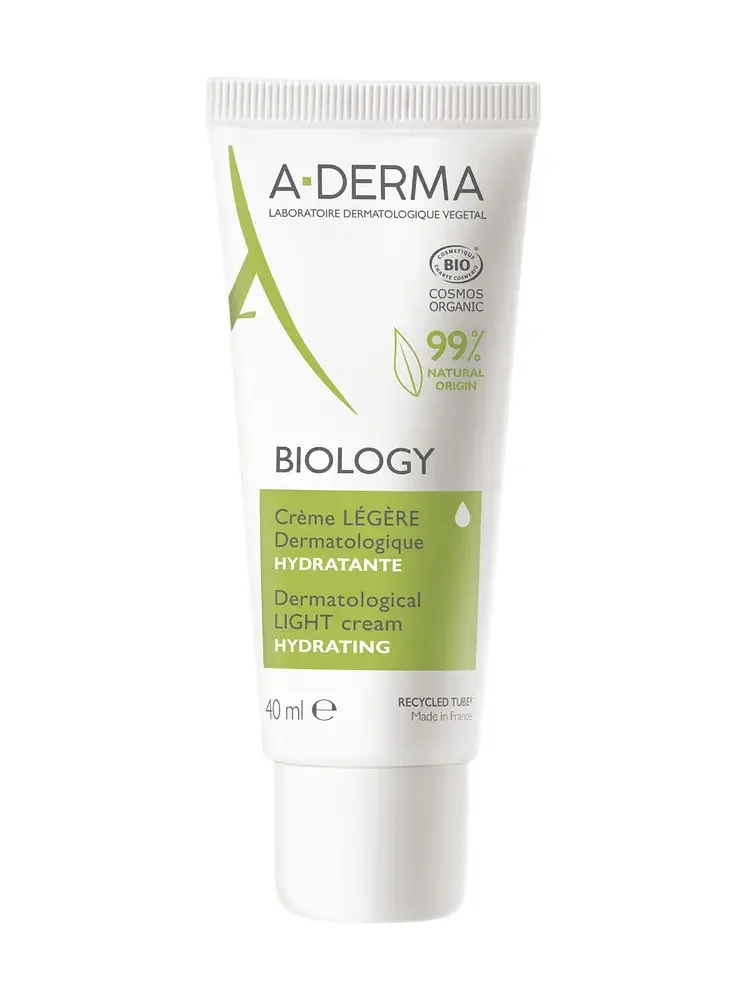
As an Amazon Associate, AllerNote earns from qualifying purchases.
Always scan the actual label before use — formulations change.
Scan a product for this concern
What is coumarin?
Coumarin is a sweet, aromatic compound with a scent often described as fresh-cut hay or vanilla. It occurs naturally in tonka bean, sweet woodruff, lavender, and other plants, and perfumers prize it for adding warmth and depth — it's a backbone of oriental and fougère fragrance families. It also appears in some flavourings (though it's restricted as a direct food additive in several countries because high oral doses can stress the liver).
In cosmetics, coumarin is permitted but is one of the fragrance ingredients the EU requires to be named on the label above small thresholds.
Two myths worth clearing up
Coumarin attracts more confusion than most fragrance allergens, so let's be precise:
- It is not a blood thinner. People hear "coumarin" and think "warfarin." But the anticoagulant drugs (warfarin, dicoumarol) are chemically modified derivatives — not the coumarin used for scent. A coumarin-fragranced lotion does not thin your blood.
- It is not the phototoxic one. The sun-sensitising "coumarins" are actually furocoumarins (psoralens) — found in bergamot and some citrus oils — which are different molecules. Plain coumarin is not notably phototoxic, so the photosensitivity reputation is misplaced.
Clearing those up matters, because they distract from coumarin's actual cosmetic relevance: contact allergy.
Why (and how) it causes reactions
Coumarin can cause allergic contact dermatitis in sensitised people — the compound (or its metabolites) bind skin proteins and prime an immune response, which then flares on later exposure. As a sensitiser it's on the milder end of the EU-labelled fragrance allergens, but it's still a regulated marker, and people who use heavy or sweet "tonka/vanilla" fragrances over years can develop sensitivity. Leave-on products (perfume, lotion) carry more risk than rinse-off ones. Those allergic to tonka bean or related sweet-balsamic materials may need to avoid coumarin too.
How to spot and avoid it
- Read labels for Coumarin, plus Tonka Bean (Dipteryx) Extract and sweet-woodruff-derived ingredients.
- Be cautious with sweet, "vanilla/tonka," oriental, and fougère fragrances, where coumarin is common.
- Prefer fragrance-free leave-on products if you're sensitised.
- Patch test new fragrances if you have a fragrance-allergy history.
Safer alternatives
- Fragrance-free or simply-scented products that avoid tonka/coumarin.
- Vanilla scents built on synthetic vanillin without coumarin (verify the full list).
- Niche "allergen-free" perfumes formulated to avoid the EU-labelled fragrance allergens.
The bottom line
Coumarin is the warm, sweet hay/vanilla note of tonka bean — a comparatively mild but regulated fragrance allergen. Ignore the blood-thinner and photosensitivity myths (those belong to other compounds) and treat it like any fragrance allergen: read for it by name and be wary of sweet, oriental-style scents if you react.
Was this article helpful?
One tap tells us what to write more of. No account needed.
Is this ingredient in your products?
Scan any cosmetic product to check for Coumarin and 30+ other allergens instantly.
References & further reading
- Fragrance allergens (coumarin) — overview DermNet
- Coumarin contact allergy — review PubMed / Contact Dermatitis
- CosIng / Regulation (EU) 2023/1545 (labelled fragrance allergens) EUR-Lex