
Geraniol
A rose-scented terpene that travels with citronellol — a common EU-labelled fragrance allergen, especially as it oxidises
INCIGeraniol
- Category
- Fragrance
- Risk level
- low
- Why it's flagged
- EU-labelled fragrance allergen; cross-reacts with citronellol and related terpenes
- What it is
- A monoterpene alcohol with a sweet, rose-like scent and citrus undertones
- Natural sources
- Rose, geranium, palmarosa, and citronella oils
- Cross-reactors
- Often reacts alongside citronellol, citral, and linalool (related rose/citrus terpenes)
- EU labelling
- Must be named above 0.001% (leave-on) / 0.01% (rinse-off); on the expanded 2023 allergen list
Look for these names on ingredient lists
This ingredient may appear under any of these names:
Commonly found in
Possible reactions
- Contact dermatitis — itchy, red patches
- Eczema-like flare in fragrance-exposed areas
- Swelling or burning on sensitive skin
- Higher risk from leave-on products
Top picks without Geraniol
Highly rated products whose ingredient lists don't include Geraniol.
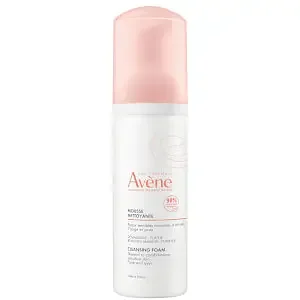
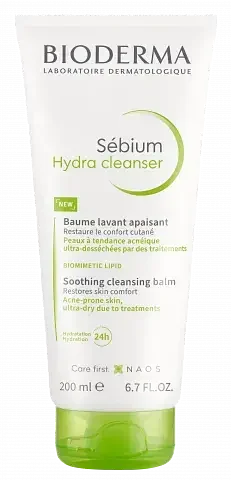
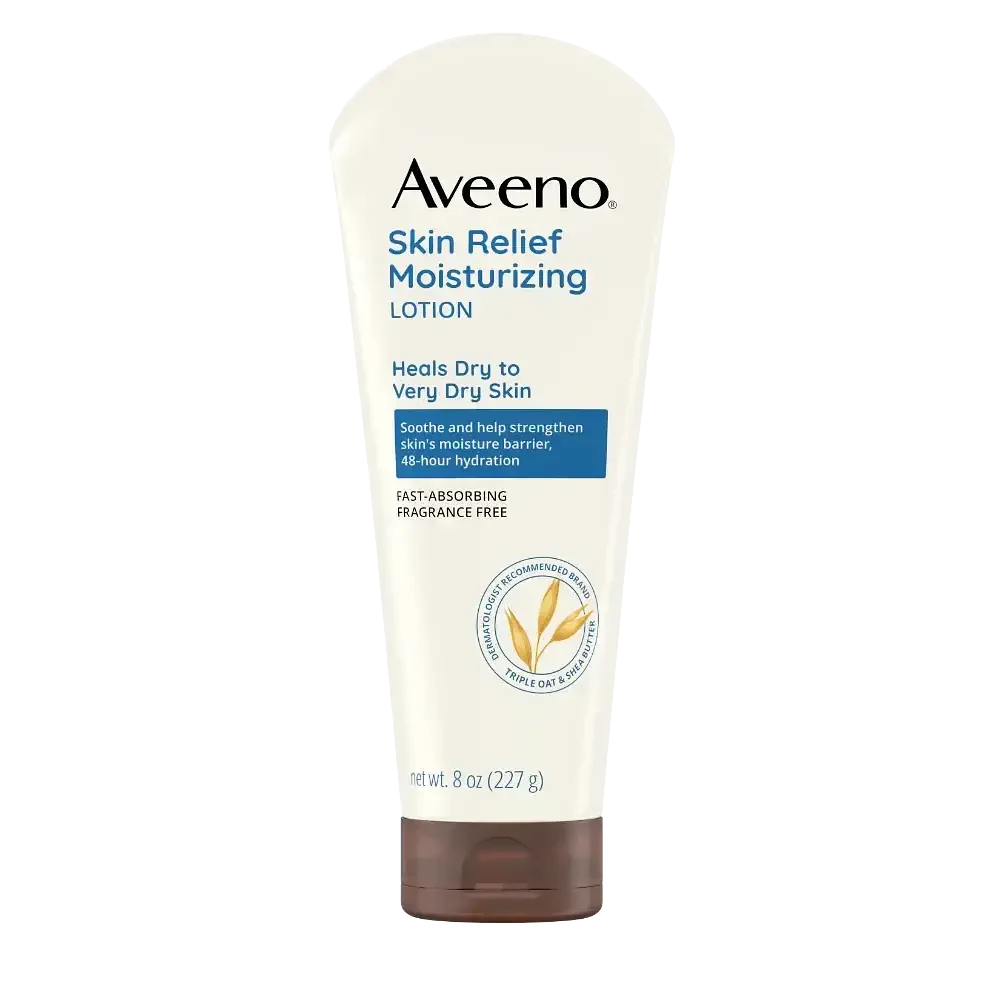
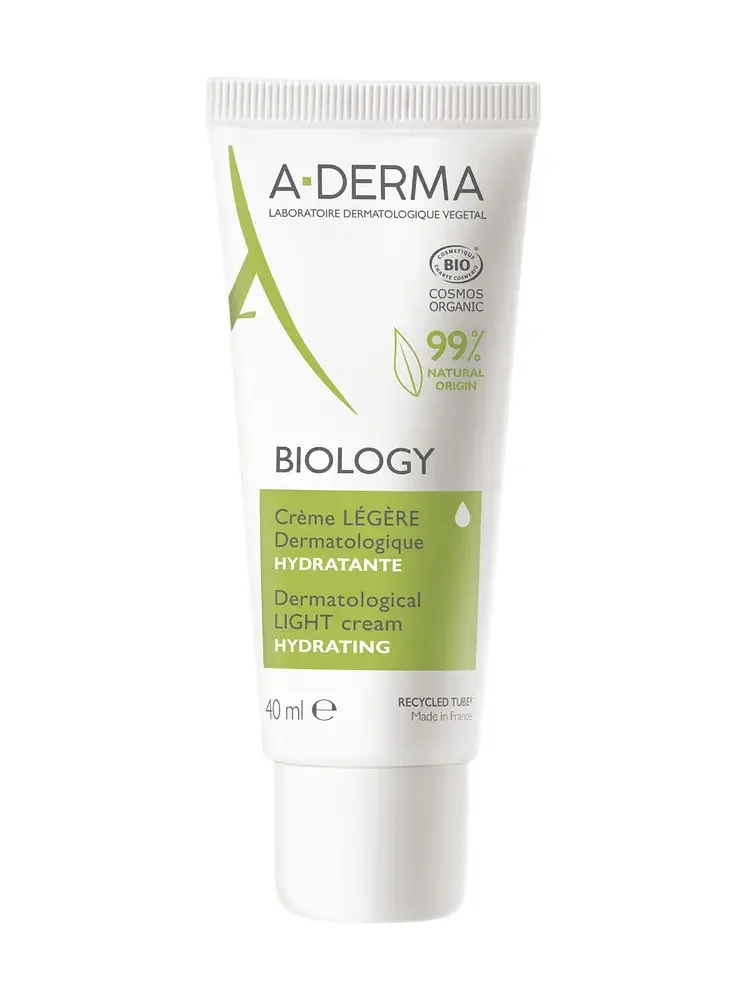
As an Amazon Associate, AllerNote earns from qualifying purchases.
Always scan the actual label before use — formulations change.
Scan a product for this concern
What is geraniol?
Geraniol is a monoterpene alcohol with a sweet, rose-like scent and light citrus undertones — one of the most widely used fragrance ingredients in the world. It's a major component of rose, geranium, palmarosa, and citronella oils, and perfumers treat it as a versatile floral "foundation" note that blends with almost anything. It even has mild insect-repellent uses.
Despite its natural, pleasant character, geraniol is a recognised contact allergen and one of the fragrance ingredients the EU requires to be named on labels.
Why it causes reactions
Geraniol sensitises through the familiar fragrance-terpene route, with two contributing factors:
- Oxidation. On exposure to air, geraniol oxidises (to geranial and related products) that are more allergenic than geraniol itself — so older scented products are riskier.
- Repeated exposure → sensitisation. As with all contact allergens, the immune system can "learn" geraniol over time and then react on later contact.
Its most useful feature for label-reading is cross-reactivity: people allergic to geraniol frequently react to citronellol, citral, and linalool too, because these rose/citrus terpenes are structurally related and tend to occur together in the same oils. Leave-on products (creams, lotions, perfume) carry more risk than rinse-off ones.
A geraniol allergy is rarely just about geraniol. Treat a positive result as a signal to be wary of rose- and geranium-scented products and their cousins (citronellol, citral) — scanning for the whole family beats chasing one name.
How to spot and avoid it
- Read labels for Geraniol, plus Rose Oil, Geranium (Pelargonium) Oil, Palmarosa Oil, and Citronella Oil.
- Be cautious with "natural" floral products, which contain geraniol even when it isn't separately listed.
- Prefer fragrance-free leave-on products if you're sensitised.
- Store scented products cool and dark and replace old ones to limit oxidation.
Safer alternatives
- Fragrance-free moisturisers, cleansers, and body care from dermatologist-oriented lines.
- If avoiding rose-type scents specifically, skip products with rose, geranium, palmarosa, and citronella oils.
- Patch test new fragranced products if you have a history of fragrance allergy.
The bottom line
Geraniol is the rose-note terpene found across natural and synthetic fragrance, a common EU-labelled allergen whose risk rises as it oxidises. The practical move is to treat it as part of a rose/citrus terpene family — avoiding geraniol usually means watching for citronellol and citral too.
Was this article helpful?
One tap tells us what to write more of. No account needed.
Is this ingredient in your products?
Scan any cosmetic product to check for Geraniol and 30+ other allergens instantly.
References & further reading
- Fragrance allergens (geraniol) — overview DermNet
- Contact allergy to fragrance terpenes — review PubMed / Contact Dermatitis
- CosIng / Regulation (EU) 2023/1545 (labelled fragrance allergens) EUR-Lex