
Limonene
The citrus scent in almost everything — nearly harmless fresh, a potent allergen once it oxidises in the bottle
INCILimonene
- Category
- Fragrance
- Risk level
- low
- Why it's flagged
- EU-labelled fragrance allergen; oxidises to limonene hydroperoxides, the actual sensitisers
- What it is
- The terpene behind citrus scent; also used as a solvent and degreaser
- The real sensitiser
- Oxidised limonene (limonene hydroperoxides) — far more allergenic than the fresh compound
- Prevalence
- Positive in roughly 2–4% of patch-tested patients in European studies; often alongside linalool
- EU labelling
- Must be named above 0.001% (leave-on) / 0.01% (rinse-off); on the expanded 2023 allergen list
Look for these names on ingredient lists
This ingredient may appear under any of these names:
Commonly found in
Possible reactions
- Contact dermatitis — red, itchy patches
- Hand eczema (common with cleaning products and soaps)
- Facial rash from skincare or makeup
- Delayed reaction, typically 24–72 hours later
- Worsening of existing eczema
Top picks without Limonene
Highly rated products whose ingredient lists don't include Limonene.
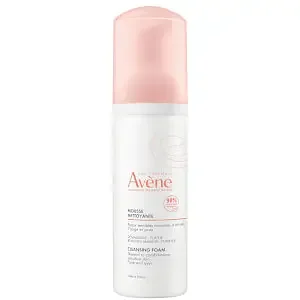
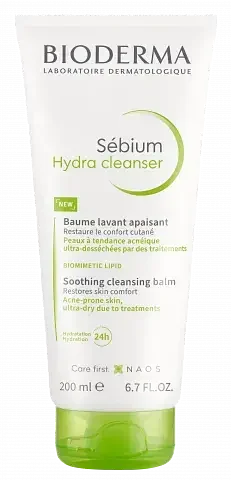
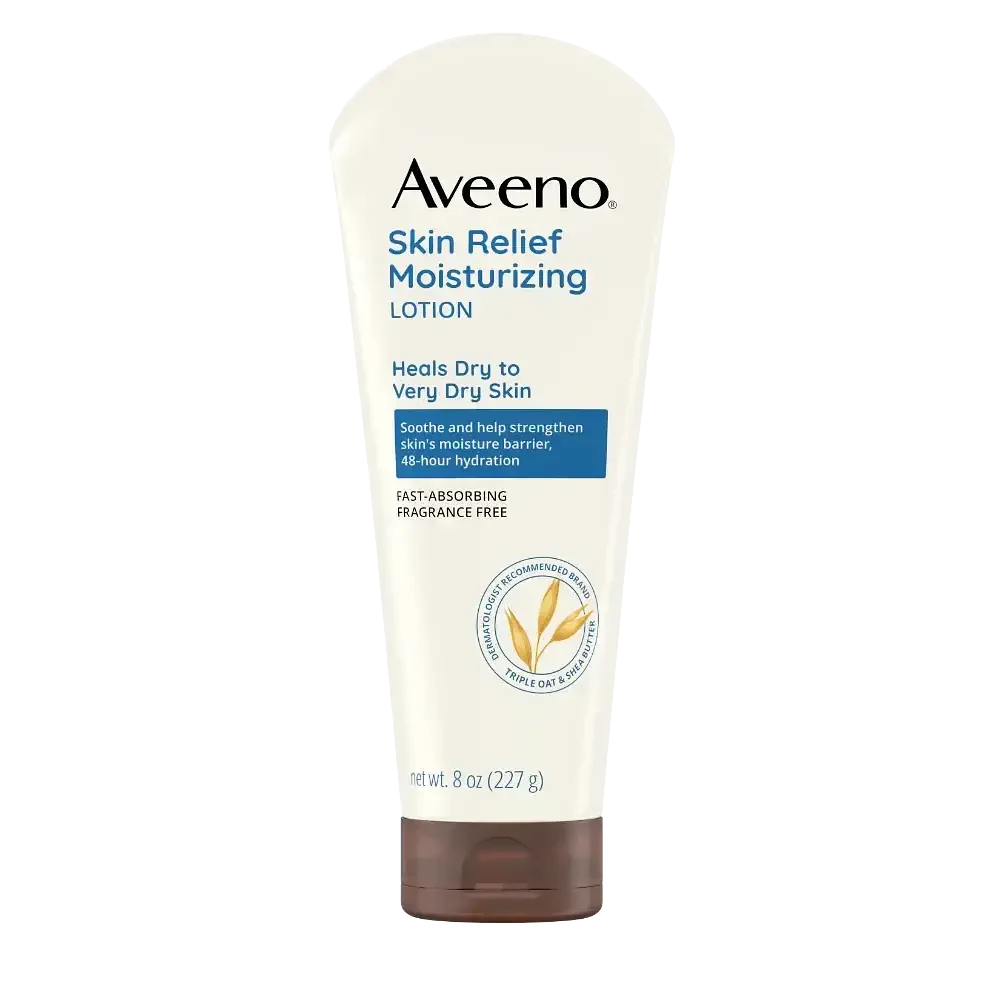
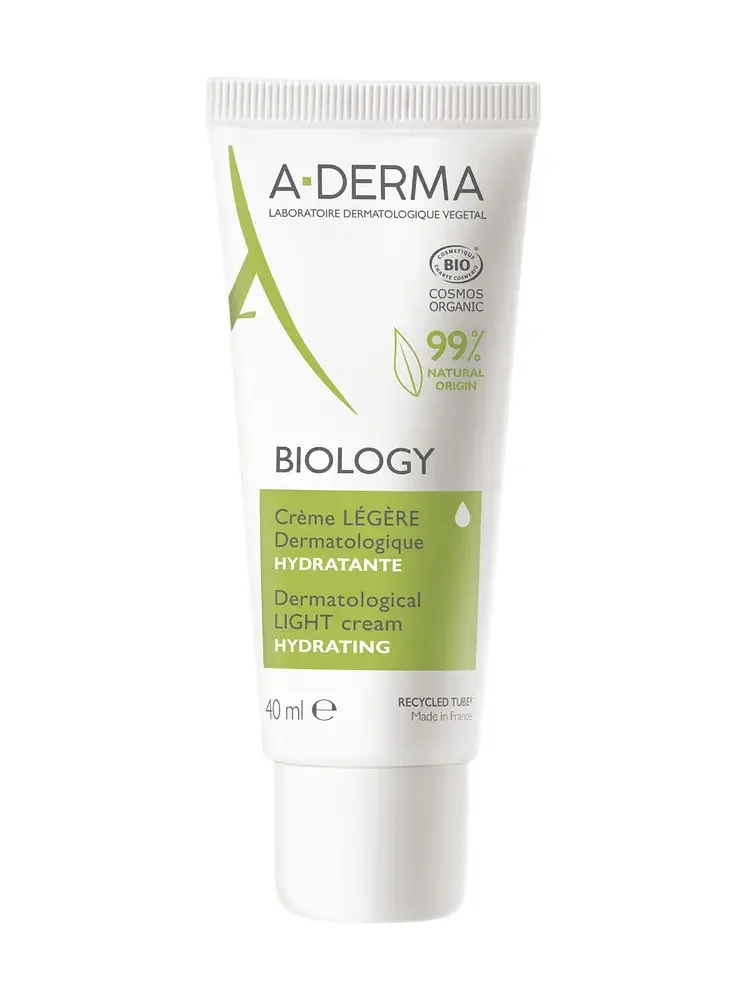
As an Amazon Associate, AllerNote earns from qualifying purchases.
Always scan the actual label before use — formulations change.
Scan a product for this concern
What is limonene?
Limonene is a cyclic terpene that gives citrus fruit its scent — one of the most abundant natural fragrance compounds, concentrated in lemon, orange, and lime peel. It's cheap, smells "fresh and clean," and doubles as a natural solvent, so it turns up in the vast majority of perfumed products: shampoos, body washes, hand soaps, cosmetics, and household cleaners. (The common cosmetic form is D-limonene.)
Fresh limonene is only a weak allergen. What makes it one of the most relevant fragrance allergens is what happens to it over time.
Oxidation is the whole story
Exposed to air, light, or warmth — in the bottle, on the shelf, or on your skin — limonene oxidises into limonene hydroperoxides and related products. These oxidation products are potent contact sensitisers, and studies consistently show that aged or deliberately-oxidised limonene produces far more positive patch tests than the fresh compound.
Two practical consequences:
- Freshness and storage matter. An old, often-opened product is riskier than a new one.
- Patch testing should use the oxidised form. A negative test to pure limonene can miss real allergy to the hydroperoxides.
Hand eczema is particularly associated with limonene, simply because hands meet so many limonene-containing soaps, sanitisers, and cleaners. Once sensitised, you can react to limonene in any product, face included, and may cross-react with citral and other citrus terpenes.
Along with linalool, limonene is one of the two terpenes most responsible for fragrance allergy via oxidation. If your patch test flags either, treat both — and fragrance broadly — with care, since they travel together in most scented products.
How to spot and avoid it
- Read labels for Limonene / D-Limonene, plus citrus oils (Citrus Limon Peel Oil, Citrus Aurantium Dulcis Peel Oil).
- Go fragrance-free for high-exposure items: hand soap, body wash, and cleaners.
- Wear gloves for cleaning if you're sensitised; hand dermatitis is the classic presentation.
- Mind "natural citrus" products — they contain limonene too.
Safer alternatives
- Fragrance-free body care, shampoo, and household cleaners.
- For vitamin C benefits without citrus oil: synthetic ascorbic acid formulas rather than citrus-extract "brightening" products.
- If you want any scent, single well-tolerated notes — but patch test if highly sensitive.
The bottom line
Limonene is the ubiquitous citrus scent that's nearly harmless fresh and genuinely allergenic once oxidised. Manage it by going fragrance-free where exposure is heaviest (hands and cleaning), choosing fresh stock, and — if testing — making sure the oxidised form is used.
Was this article helpful?
One tap tells us what to write more of. No account needed.
Is this ingredient in your products?
Scan any cosmetic product to check for Limonene and 30+ other allergens instantly.
References & further reading
- Oxidised limonene and contact allergy — review PubMed / Contact Dermatitis
- Fragrance allergens — overview DermNet
- CosIng / Regulation (EU) 2023/1545 (labelled fragrance allergens) EUR-Lex