
Atoderm Intensive Eye vs Eye Repair Cream
Ingredient-by-ingredient comparison of Bioderma Atoderm Intensive Eye and CeraVe Eye Repair Cream: shared ingredients, what's different, and any flagged irritants or fragrance allergens in either formula. Compare two other products or sign in to check both against your own allergen profile.
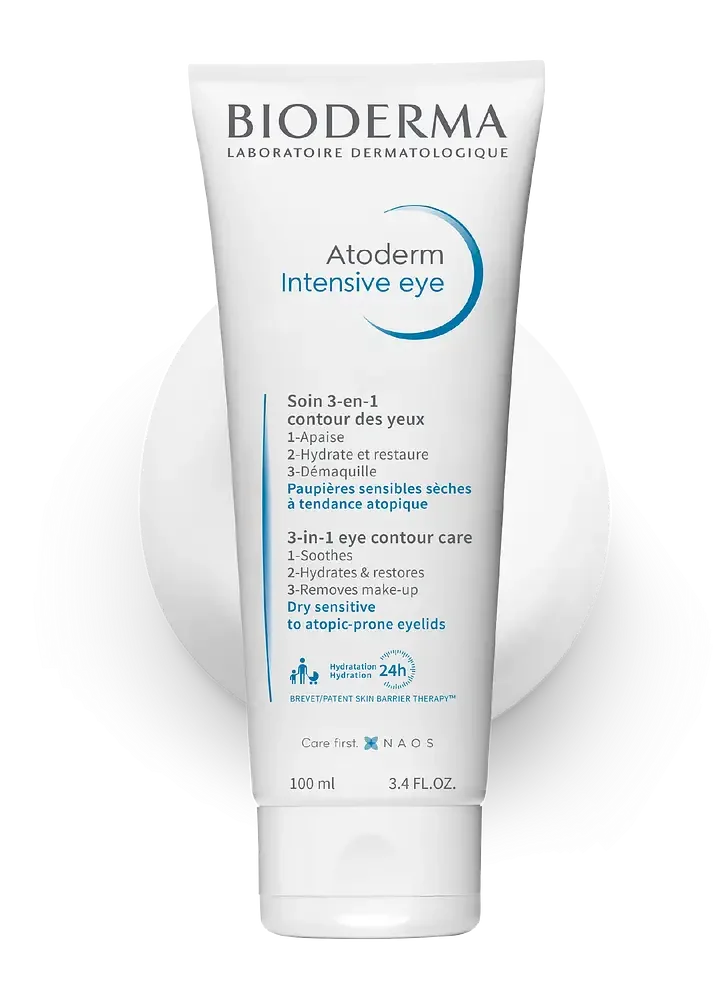
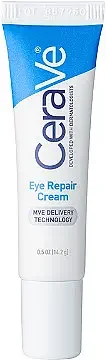
Atoderm Intensive Eye has fewer flags
Bioderma Atoderm Intensive Eye has fewer flagged ingredients (0 vs 3) than its counterpart. That's a starting point, not a verdict — the specific ingredient flagged matters more than the count, so check the "Flagged irritants" section below before deciding.
Flagged irritants and allergens
Atoderm Intensive Eye (0)
Eye Repair Cream (3)
In both products (14 shared)
Only in one product
Only in Atoderm Intensive Eye 19
Only in Eye Repair Cream 27
About this eye cream comparison
Bioderma Atoderm Intensive Eye and CeraVe Eye Repair Cream are both eye creams, which makes them a fair side-by-side comparison — same product type, different formulas. Bioderma Atoderm Intensive Eye lists 33 ingredients (none flagged), while CeraVe Eye Repair Cream lists 41 (3 flagged). Searching "Atoderm Intensive Eye vs Eye Repair Cream" or "Atoderm Intensive Eye vs Eye Repair Cream ingredients" usually means wanting to know exactly this — what's the same, what's different, and whether one is meaningfully safer.
The two formulas overlap on 14 ingredients, which is common for two eye creams aimed at similar skin concerns — shared base ingredients like humectants or emulsifiers show up across most eye cream formulas in this category, regardless of brand. What usually decides which one is the better fit is the 27 ingredients unique to one side, not the shared base.
Neither Bioderma nor CeraVe sponsors this comparison — the ingredient data comes directly from AllerNote's product catalog, the same source used on each product's own page (Bioderma Atoderm Intensive Eye and CeraVe Eye Repair Cream). For a personalized read against your own patch-test results or allergen list, sign in before comparing.
Want a personalized safety check?
Sign in and add your allergens to see which of these ingredients matches your specific profile — not just common irritants.
Was this comparison helpful?
One tap tells us what to build more of. No account needed.
Frequently asked questions
Is Bioderma Atoderm Intensive Eye or CeraVe Eye Repair Cream better for sensitive skin?
Bioderma Atoderm Intensive Eye has fewer flagged irritants (0 vs 3), but "fewer flags" isn't the same as "safer for you" — sign in and add your allergens to check both against your own profile.
What ingredients do Atoderm Intensive Eye and Eye Repair Cream have in common?
14 shared ingredients, including caprylic/capric triglyceride, carbomer, ceramide ap, among others. See the full "In both products" table above.
Is Atoderm Intensive Eye a dupe for Eye Repair Cream, or the other way around?
They share 14 of 41 ingredients (roughly 34% overlap on the larger list) — similar enough to be considered comparable eye creams, but with real formula differences. Check "Only in one product" above for what sets them apart before calling one a dupe for the other.
Can I use Bioderma Atoderm Intensive Eye and CeraVe Eye Repair Cream together in the same routine?
That depends on the specific actives in each — this page shows ingredient overlap and flags, not layering guidance. For active-ingredient conflicts (e.g. retinoids with acids), use AllerNote's ingredient conflict checker at /tools/ingredient-conflicts.
Which has more ingredients, Atoderm Intensive Eye or Eye Repair Cream?
Atoderm Intensive Eye lists 33 ingredients; Eye Repair Cream lists 41. Atoderm Intensive Eye has the shorter list — though ingredient count alone doesn't determine gentleness; what's flagged matters more than how many ingredients are listed.
Is this comparison based on real product data?
Yes. Both ingredient lists come from AllerNote's product catalog, not third-party claims — the same data source behind each product's individual page.