
Acrylates & Methacrylates
The chemistry behind gel and acrylic nails — and one of the fastest-growing allergies in cosmetics
INCIAcrylates Copolymer
- Category
- Nail Product
- Risk level
- high
- A fast-rising allergen
- As gel and acrylic nails replaced traditional polish, acrylate allergy climbed steeply — now one of the most talked-about nail allergens in patch-test clinics
- The lifelong catch
- Acrylate sensitisation is usually permanent and can rule out not just nail products but acrylate-based dental work and some medical adhesives
- Cure it properly
- It's uncured (wet) monomer that sensitises — under-curing (common with home kits and weak lamps) leaves more reactive monomer behind
- Cross-reactivity
- HEMA, di-HEMA, ethyl/methyl methacrylate and ethyl acrylate often react as a group — sensitise to one, react to many
Look for these names on ingredient lists
This ingredient may appear under any of these names:
Commonly found in
Possible reactions
- Itchy, scaling, or peeling fingertips (pulpitis)
- Nail lifting/separation (onycholysis) and nail damage
- Eyelid, face, or neck dermatitis with normal-looking nails
- Sensitisation building up over months of gel/acrylic use
Top picks without Acrylates & Methacrylates
Highly rated products whose ingredient lists don't include Acrylates & Methacrylates.
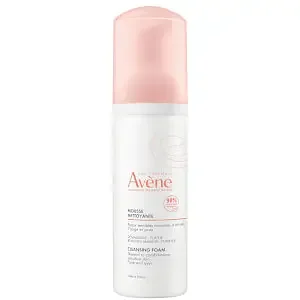
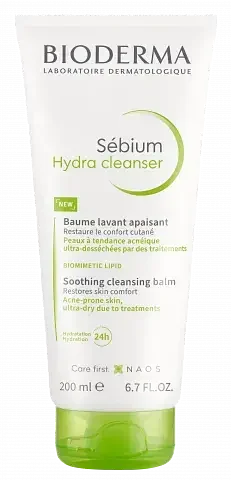
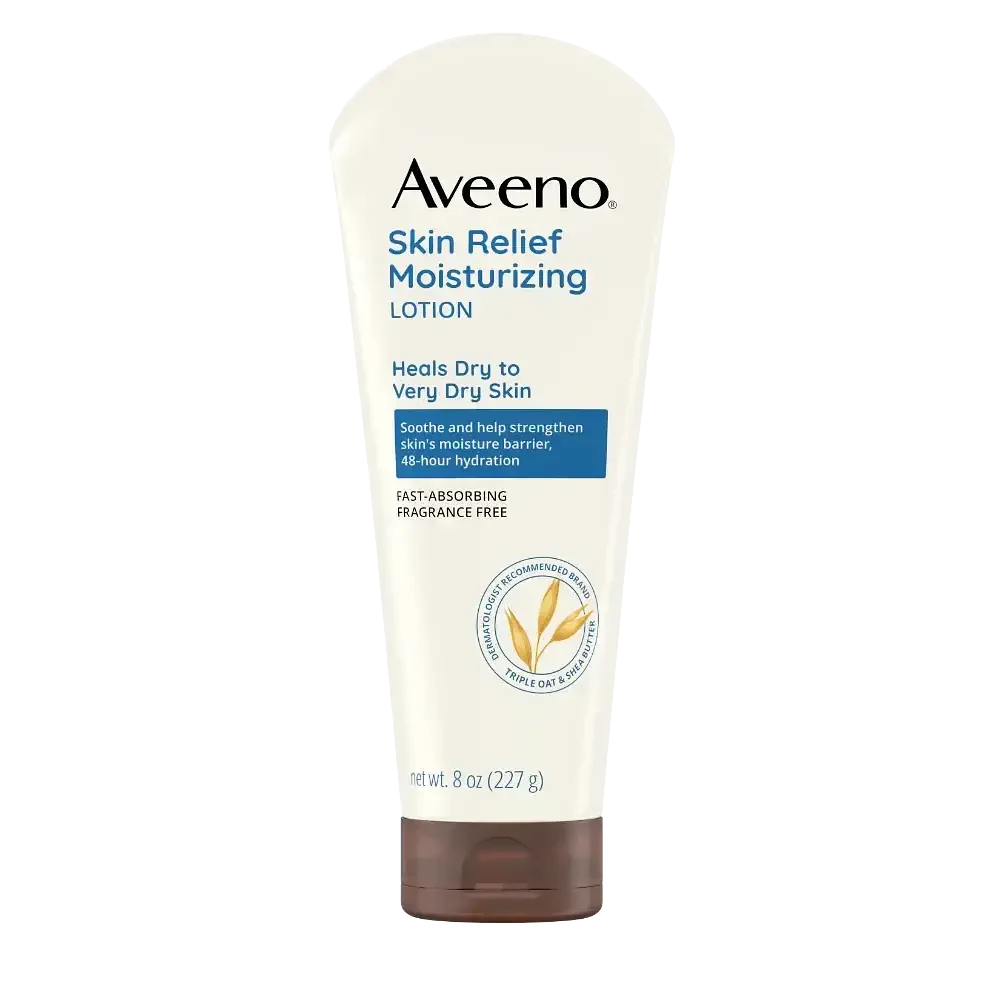
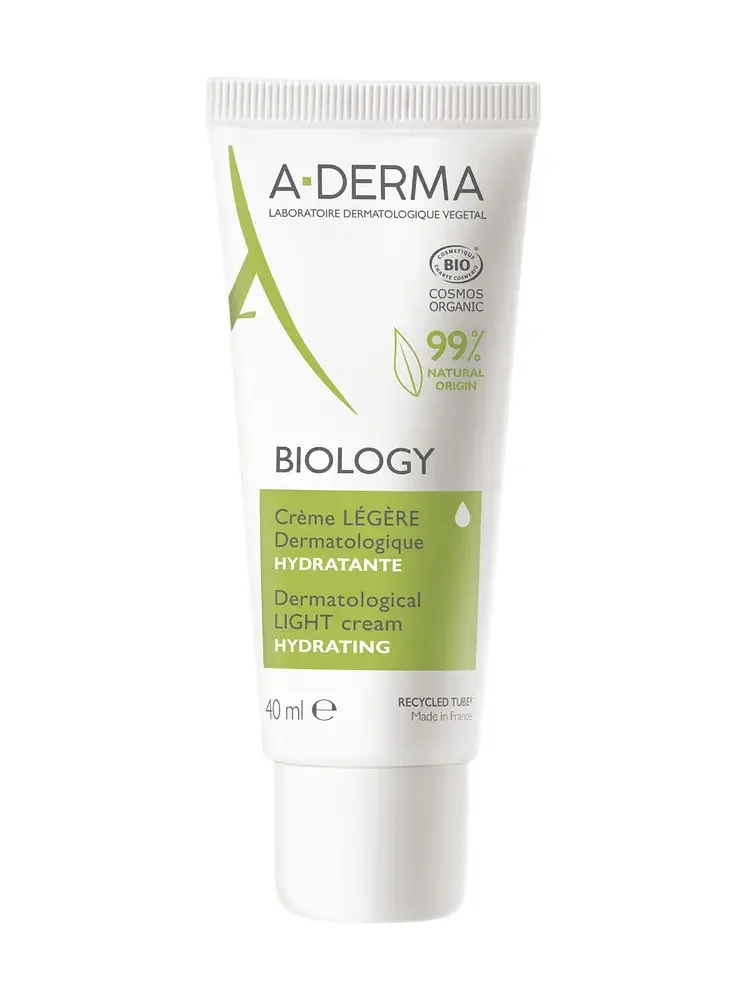
As an Amazon Associate, AllerNote earns from qualifying purchases.
Always scan the actual label before use — formulations change.
What are acrylates and methacrylates?
Acrylates and methacrylates are a family of reactive monomers — small molecules that link up into hard polymers. In nails, they're the chemistry behind gel polish (cured under UV/LED light) and acrylic extensions (liquid monomer + powder). Common members on labels include HEMA (2-hydroxyethyl methacrylate), di-HEMA trimethylhexyl dicarbamate, and various methacrylate and acrylate esters. The same chemistry shows up in dental composites and adhesives, medical devices, and industrial materials.
Unlike traditional polish, which dries by solvent evaporation, gel and acrylic systems cure through a chemical reaction. That's what gives the weeks-long, chip-proof finish — and it's also the source of the allergy problem, because uncured (wet) monomer is what penetrates skin and sensitises.
Why acrylates cause reactions
Acrylate monomers are efficient sensitisers: their reactive groups bind skin proteins to form haptens, driving Type IV delayed hypersensitivity. A few things make this allergy distinctive — and worth respecting:
- Uncured monomer is the villain. Under-curing (weak home lamps, rushed technique) leaves more reactive monomer behind. Skin contact with wet product — on the cuticle, the surrounding skin, or via filing dust — is where sensitisation builds.
- It builds up, then sticks. Allergy usually develops after months or years of use, and once established it's typically permanent.
- It travels off the nail. Hand-to-face transfer means eyelid/face/neck dermatitis with nails that look perfectly normal.
- It reaches the dentist's chair. Because dental bonding and composites are acrylate-based, the allergy can matter well beyond cosmetics.
Most cosmetic allergies just mean "switch products." Acrylate allergy is different: it's usually lifelong, it cross-reacts across the whole monomer family, and it can complicate dental and medical care, not just nails. That's not a reason to panic about a gel manicure — it's a reason to keep wet product off your skin, and to get a suspected reaction properly confirmed and on your record.
Where they're found
- Gel nail polish — base coats, colour, top coats (salon and home kits).
- Acrylic extensions — two-part liquid-and-powder systems.
- Dip powder and nail glue — different but related monomer/adhesive chemistry.
- Dental composites, bonding agents, sealants.
- Some medical adhesives, devices and bone cement.
How to spot and reduce it
- Read gel labels for Hydroxyethyl Methacrylate (HEMA) and other "-acrylate"/"-methacrylate" names; some brands now sell HEMA-free gels.
- Keep wet product off skin — cuticle and surrounding skin especially.
- Cure fully under an adequate lamp; be wary of weak home kits.
- Mind hand-to-face contact if you suspect a facial/eyelid rash.
- Patch test to the acrylate series to confirm and map cross-reactors — and tell your dentist.
Safer alternatives
- Traditional nail polish — dries by evaporation, no acrylate monomers (its concern is tosylamide/formaldehyde resin instead).
- HEMA-free gel systems — verify by ingredient list; lower, not zero, risk.
- Press-on nails / nail wraps — adhesive or fibre rather than monomer chemistry (check glue ingredients).
- Natural nails — buffing and cuticle care for confirmed acrylate allergy.
The bottom line
Acrylates and methacrylates are what make gel and acrylic nails last — and one of the fastest-growing cosmetic allergies. The reaction is driven by uncured monomer, often shows up on the face rather than the nails, and tends to be permanent and far-reaching (it can touch dental care too). Keep wet product off your skin, consider HEMA-free systems, and get a suspected allergy confirmed so it follows you to the dentist's chair.
Was this article helpful?
One tap tells us what to write more of. No account needed.
Is this ingredient in your products?
Scan any cosmetic product to check for Acrylates & Methacrylates and 30+ other allergens instantly.