
Argireline (Acetyl Hexapeptide-8)
The "topical Botox" peptide — real but modest, and nowhere near the needle
INCIAcetyl Hexapeptide-8
- Category
- Peptide
- Risk level
- low
- "Topical Botox" — loosely
- Targets part of the same SNAP-25 protein Botox acts on, to mildly relax surface muscle contraction
- Best on expression lines
- Most effect on forehead lines, crow's feet and frown lines from repeated movement
- Common concentration
- 5–10% in serums; effects are mild and gradual, not injectable-strength
- Honest expectation
- A supporting ingredient, not a needle replacement — evidence is modest but real
Look for these names on ingredient lists
This ingredient may appear under any of these names:
Commonly found in
Possible reactions
- Allergic reactions are extremely rare
- No stinging or irritation typical
- No sun sensitivity
- Considered pregnancy-safe topically
Top picks with Argireline (Acetyl Hexapeptide-8)
Highly rated products that feature Argireline (Acetyl Hexapeptide-8) in their ingredient list.
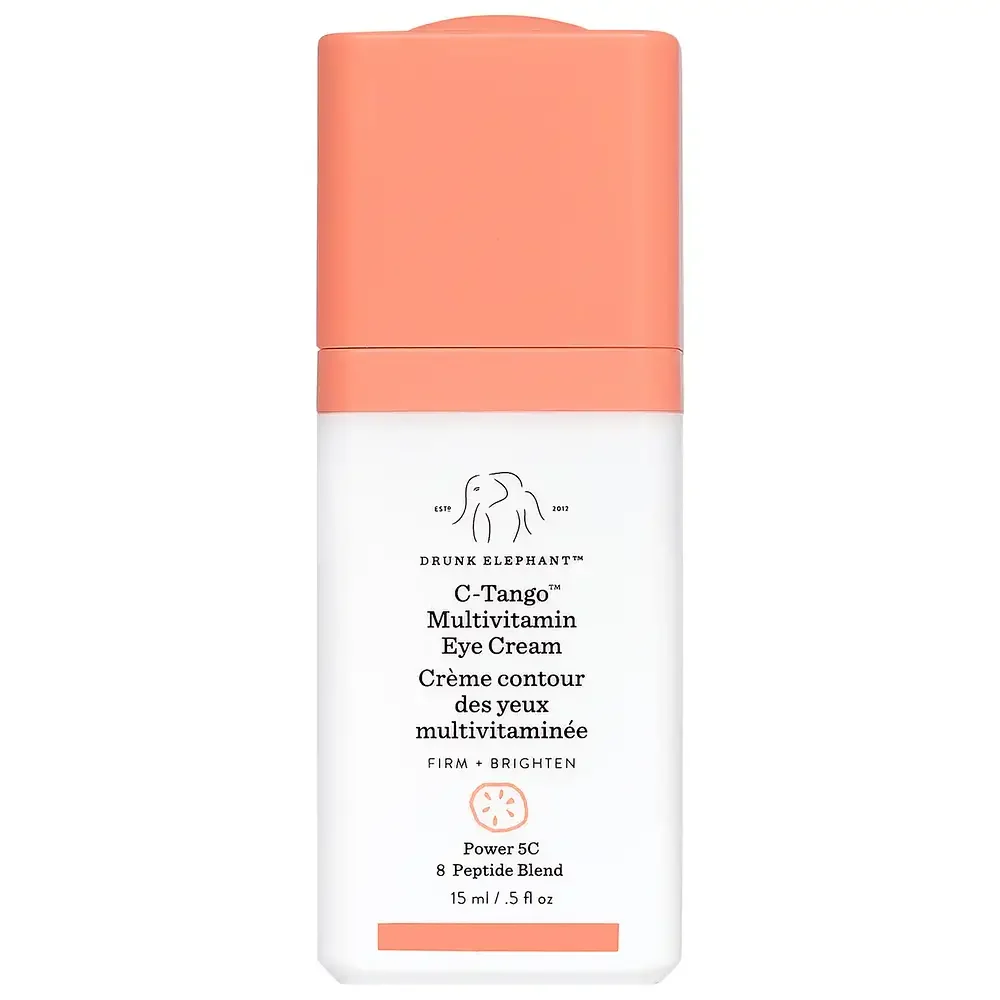
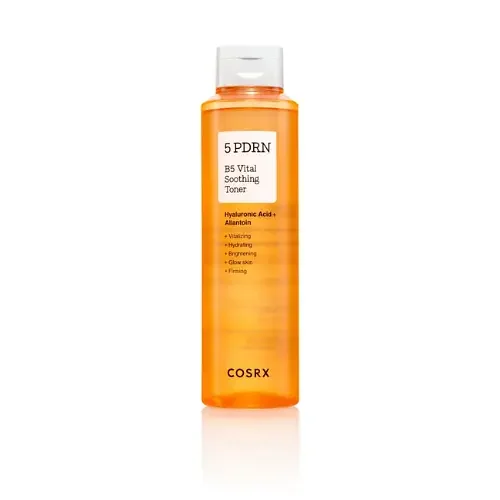
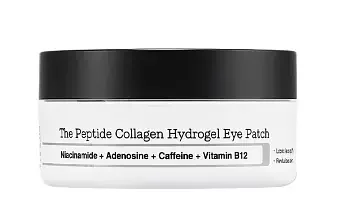
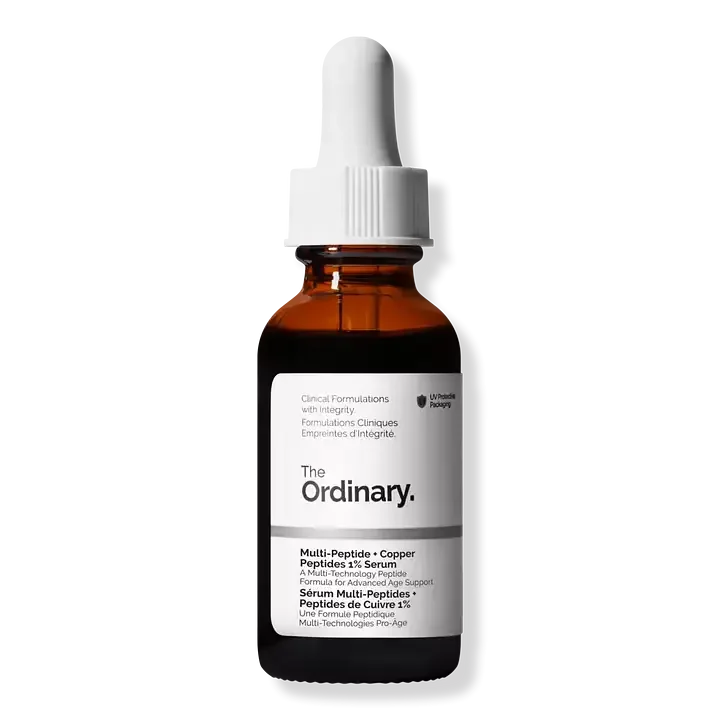
Always scan the actual label before use — formulations change.
What is Argireline?
Argireline is the trade name for Acetyl Hexapeptide-8 (formerly Acetyl Hexapeptide-3), a synthetic peptide developed by Lipotec in the late 1990s. It mimics part of the SNAP-25 protein, which helps release the neurotransmitters that tell facial muscles to contract. Botox cleaves SNAP-25 directly; Argireline more subtly competes with it. The result is a mild, localised reduction in muscle contraction that can soften expression lines — forehead creases, crow's feet, frown lines — over weeks of use.
Its effect is much gentler than Botox: no freezing, no overnight change. Studies show measurable but modest wrinkle-depth reduction with consistent daily use over 8–12 weeks. The "topical Botox" tag is both accurate (same target protein) and misleading (nowhere near the strength).
Why it's so well tolerated
Argireline has an excellent safety record. It's a short peptide whose signalling effect stays localised to the application site, and patch-test data show virtually no contact dermatitis. No redness, peeling or sun sensitivity.
- Not actually Botox — results are subtle; manage expectations.
- Best for prevention — early fine lines respond better than deep-set wrinkles.
- Layerable — with Matrixyl, copper peptides, retinol, hyaluronic acid.
- Pregnancy-safe topically — no specific concerns flagged.
- Stable — works at neutral pH in water-based serums.
It's fair to be a little sceptical: the clinical benefit is real but small, and some dermatologists question how much a topical peptide can influence muscle movement at all. Treat Argireline as a gentle supporting act for early expression lines — and let sunscreen and (where suitable) retinoids carry the routine.
How to use it well
- Morning and night — stable and layerable.
- Target expression lines — pat over forehead, crow's feet, frown lines.
- Give it 8–12 weeks — cumulative and gradual.
- Layer under moisturiser and sunscreen — absorbs quickly.
- Combine with other peptides/retinoids — it's a team player, not a soloist.
Safer / stronger alternatives
- For real wrinkle reduction: retinol, retinaldehyde, or prescription tretinoin.
- For dramatic expression-line softening: actual Botox from a qualified clinician.
- For collagen stimulation: Matrixyl is complementary.
- For pregnancy: Argireline is already among the safer peptide options.
The bottom line
Argireline is a very well-tolerated "topical Botox" peptide with a real but modest effect on early expression lines. It's a sensible, low-risk supporting ingredient — particularly for needle-averse or pregnant users — as long as you keep expectations grounded and let sunscreen and retinoids do the heavy lifting.
Was this article helpful?
One tap tells us what to write more of. No account needed.
Is this ingredient in your products?
Scan any cosmetic product to check for Argireline (Acetyl Hexapeptide-8) and 30+ other allergens instantly.