
Astaxanthin
A red microalgae carotenoid and powerful antioxidant — gentle and low-allergy, with a naturally pink-orange tint
INCIAstaxanthin
- Category
- Antioxidant
- Risk level
- low
- What it is
- A red carotenoid from the microalga Haematococcus pluvialis (also what makes salmon/shrimp pink)
- Dual-environment
- Works in both lipid and water layers of skin — an uncommon, useful trait
- Potency claims
- "6000x vitamin C" figures are in-vitro assays — impressive in a test tube, not a 1:1 skincare ranking
- Tolerability
- One of the gentlest antioxidants; allergy essentially undocumented
Look for these names on ingredient lists
This ingredient may appear under any of these names:
Commonly found in
Possible reactions
- Allergic reactions essentially undocumented
- No stinging at cosmetic concentrations
- Reddish-orange/pink tint in formulas is normal (it's the active itself)
- Pregnancy-safe at topical concentrations
Top picks with Astaxanthin
Highly rated products that feature Astaxanthin in their ingredient list.
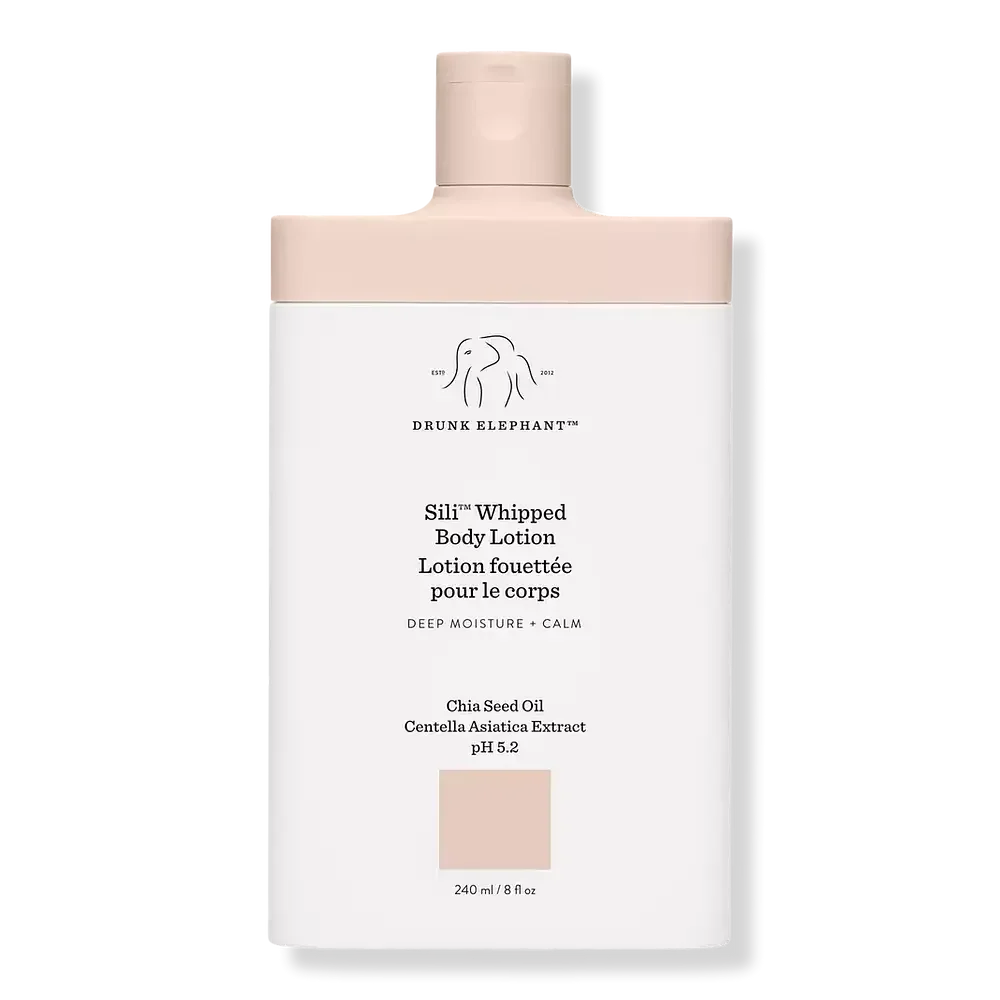

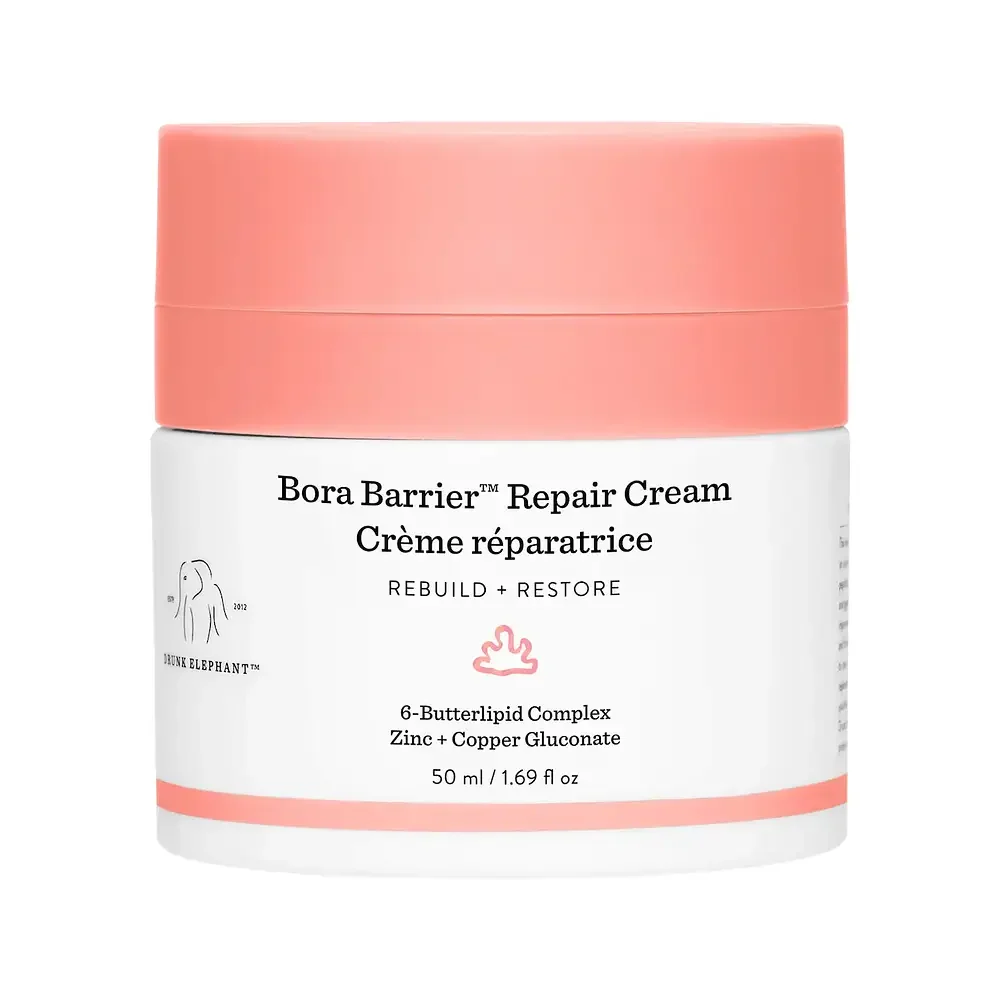

Always scan the actual label before use — formulations change.
What is astaxanthin?
Astaxanthin is a red carotenoid pigment — related to beta-carotene — produced mainly by the microalga Haematococcus pluvialis. It's also what turns salmon, shrimp, and flamingos pink: they eat the algae and accumulate the pigment. In in-vitro antioxidant assays it's one of the most potent free-radical scavengers measured (the "thousands of times stronger than vitamin C" figures come from such tests).
In skincare it's used as a deep-acting antioxidant that works in both the lipid and water environments of skin — an uncommon, useful property — neutralising free radicals from UV, pollution, and metabolic stress, with some photoprotective role.
Why it's almost never a problem
Astaxanthin is one of the gentlest antioxidants going: patch-test contact dermatitis is essentially undocumented, and it's rated safe at the (tiny) cosmetic concentrations used (0.01–0.1% — small because it's so potent), and pregnancy-safe topically.
Two honest notes:
- Colour is the active. A pink/orange/red tint is astaxanthin itself, not a dye or spoilage.
- Mind the hype. The "6000× vitamin C" claim is a test-tube figure, not a real-world ranking — astaxanthin complements vitamin C and sunscreen rather than replacing them.
How to use it well
- Use it as a complement to vitamin C, sunscreen, and retinol — not a centrepiece.
- Apply in the morning for pollution/UV defence, under sunscreen.
- Pair with vitamin C and E for a multi-antioxidant stack.
- Don't worry about the colour.
- Store away from light (more stable than vitamin C, but still degrades).
Alternatives
- More clinical track record: vitamin C (L-ascorbic acid) + ferulic acid.
- Cheaper lipid antioxidants: vitamin E, CoQ10.
- Budget multi-antioxidant: niacinamide + vitamin C + vitamin E.
The bottom line
Astaxanthin is a potent, gentle, pink-tinted antioxidant that's a lovely addition to a routine — just don't take the test-tube "thousands of times stronger" numbers as a reason to drop vitamin C or sunscreen. It plays best on a team.
Was this article helpful?
One tap tells us what to write more of. No account needed.
Is this ingredient in your products?
Scan any cosmetic product to check for Astaxanthin and 30+ other allergens instantly.