
Azelaic Acid
A grain-derived multitasker for acne, pigmentation, and rosacea — gentle, non-photosensitising, and pregnancy-safe
INCIAzelaic Acid
- Category
- Active
- Risk level
- low
- Multi-target action
- Acts on acne bacteria, sebum, inflammation, pigmentation, and rosacea at once
- Not an exfoliant
- Despite "acid" in the name, it works by enzyme inhibition/signalling — no AHA/BHA-style sun sensitivity
- Concentration
- 10% is standard OTC; 15–20% is prescription strength
- Pregnancy
- One of the few actives considered safe throughout pregnancy and breastfeeding
Look for these names on ingredient lists
This ingredient may appear under any of these names:
Commonly found in
Possible reactions
- Mild tingling or warmth in the first applications
- Occasional temporary dryness
- Rare itching in the first week
- No meaningful sun sensitivity
- Safe in pregnancy and breastfeeding
Top picks with Azelaic Acid
Highly rated products that feature Azelaic Acid in their ingredient list.
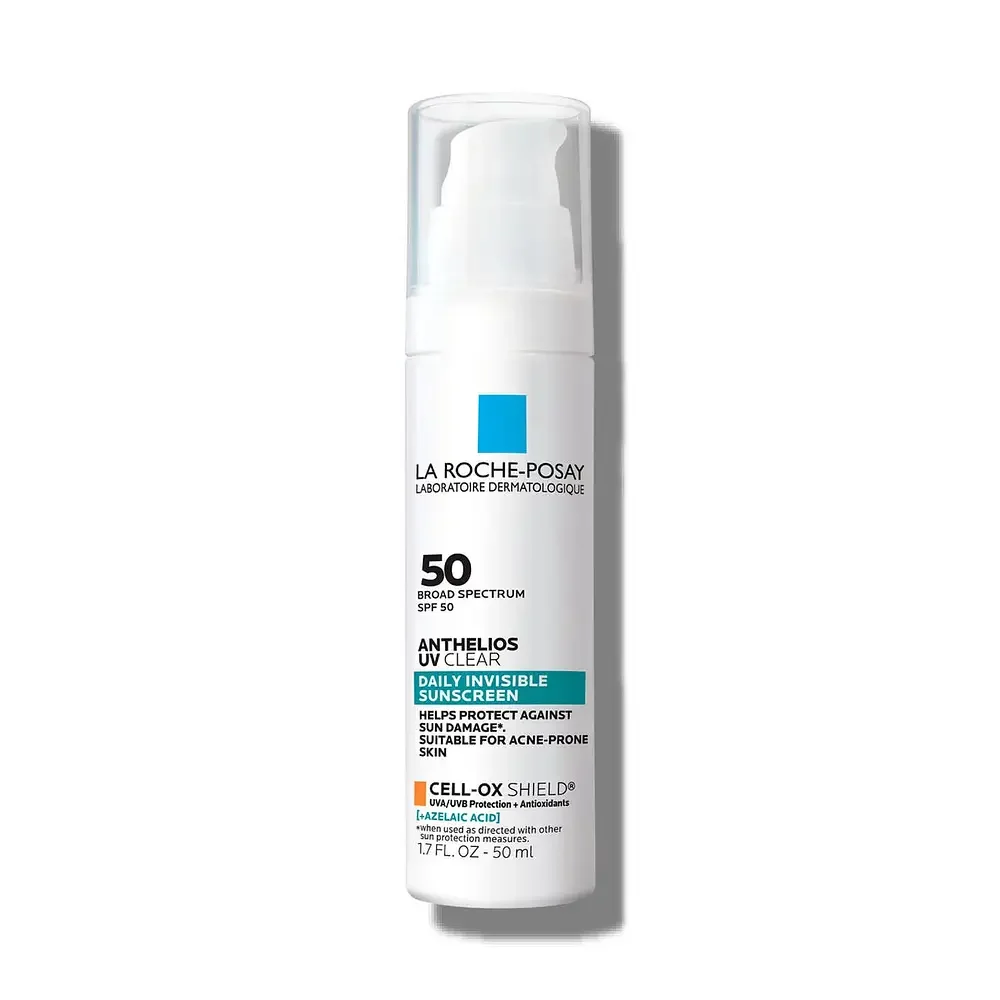
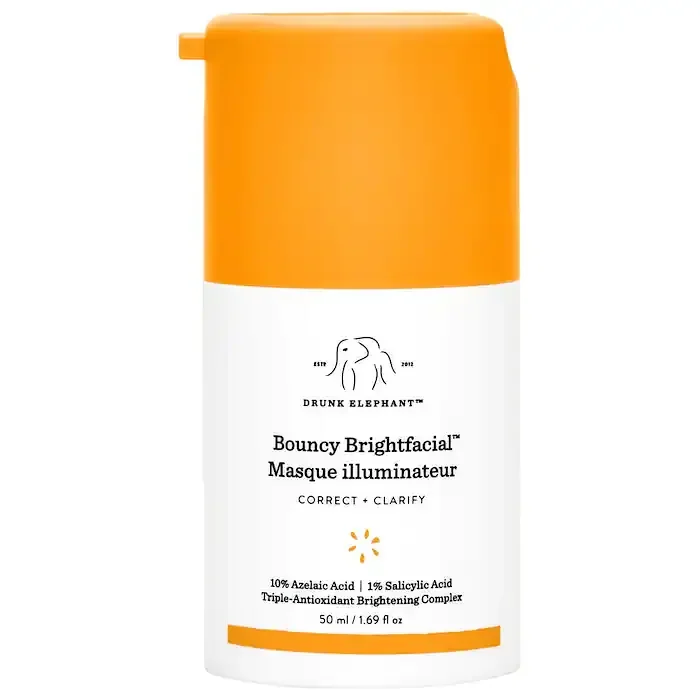
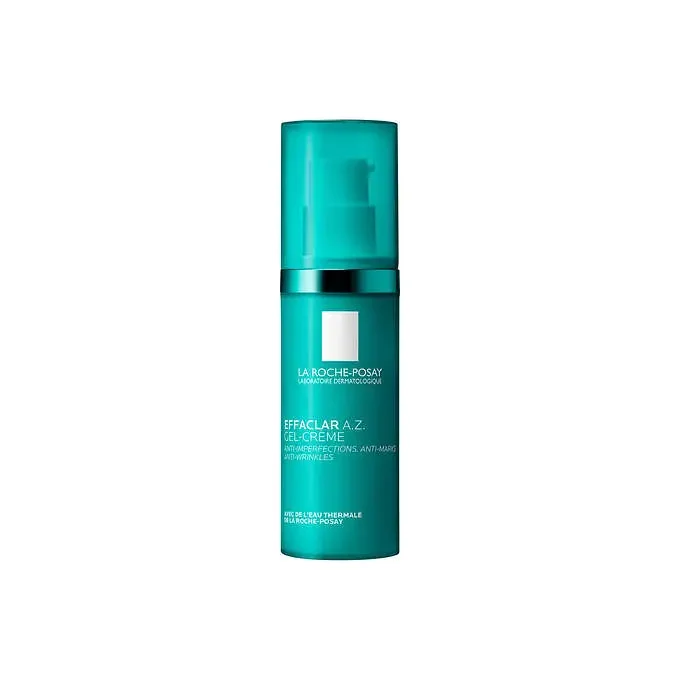
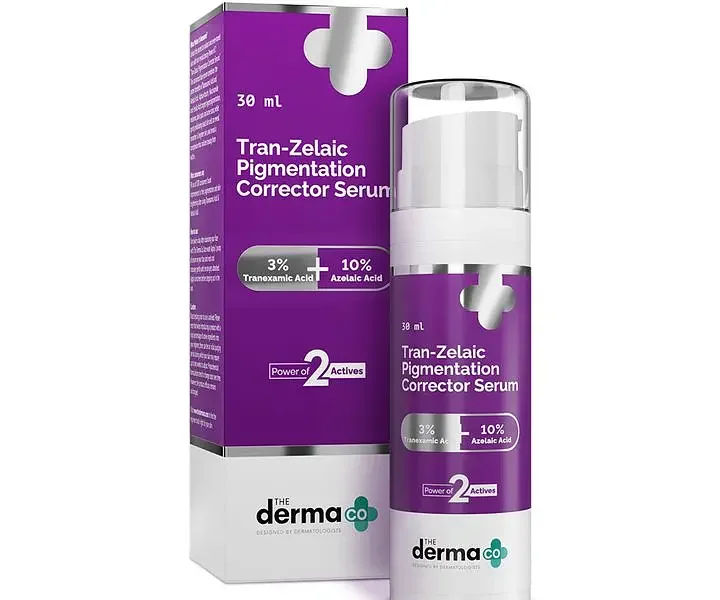
Always scan the actual label before use — formulations change.
What is azelaic acid?
Azelaic acid is a dicarboxylic acid found naturally in wheat, barley, and rye — and also produced on human skin by the yeast Malassezia. As a topical, it's one of dermatology's most underrated multitaskers: a single cream can target acne bacteria, reduce sebum, calm inflammation, fade hyperpigmentation (by inhibiting the enzyme tyrosinase), and control the redness and papules of rosacea. Few ingredients address so many concerns at once.
Crucially, despite the word "acid," it is not an exfoliant in the AHA/BHA sense — it doesn't loosen dead-cell bonds. It works through cellular signalling and enzyme inhibition, which is why it's much gentler and doesn't cause sun sensitivity. That makes it especially suited to sensitive skin, melanin-rich skin, and pregnancy.
Why it's so well tolerated
Because azelaic acid already occurs on human skin, allergic reactions are rare. Most users feel nothing worse than mild tingling or warmth in the first applications, fading within a couple of weeks. Cosmetic safety panels rate it safe at cosmetic concentrations, and prescription-strength (15–20%) has decades of evidence for acne and rosacea.
It's particularly valuable for three groups:
- Melanin-rich skin prone to post-inflammatory hyperpigmentation from stronger acids — azelaic acid fades dark marks without triggering new ones.
- Pregnant and breastfeeding users who need acne or pigmentation treatment but must avoid retinoids and high-dose salicylic acid.
- Rosacea — one of only a few ingredients clinically proven to reduce mild-to-moderate redness and papules.
The frustrating loop in darker skin is that the acids used to fade dark marks can cause dark marks if they irritate. Azelaic acid largely sidesteps that, which is why it's so often the right first choice for post-acne hyperpigmentation on melanin-rich skin.
How to use it well
- Start at 10% once daily — most people tolerate this from day one.
- Use morning or night — it's stable and not photosensitising.
- Expect first-week tingling — it typically fades as skin adapts.
- Great in pregnancy — when retinoids and strong salicylic acid are out.
- Still wear SPF — not because azelaic acid sensitises, but because UV drives the pigmentation you're treating.
Alternatives
- Stronger pigmentation results: prescription tranexamic acid, hydroquinone, or kojic-acid combinations.
- Faster (non-pregnancy) acne: salicylic acid or adapalene.
- Rosacea, if azelaic isn't enough: prescription metronidazole or ivermectin cream.
- Ultra-gentle brightening: niacinamide or alpha arbutin.
The bottom line
Azelaic acid is a quietly excellent, low-irritation, non-photosensitising, pregnancy-safe multitasker — uniquely good for acne and pigmentation on sensitive or melanin-rich skin. True allergy is rare; the worst most people notice is brief early tingling and a slightly gritty texture.
Was this article helpful?
One tap tells us what to write more of. No account needed.
Is this ingredient in your products?
Scan any cosmetic product to check for Azelaic Acid and 30+ other allergens instantly.