
Balsam of Peru
A natural fragrance resin and classic "marker" allergen — a positive patch test points to broad fragrance sensitivity and a long list of cross-reactors
INCIMyroxylon Pereirae
- Category
- Fragrance
- Risk level
- medium
- What it is
- A natural resin from the Myroxylon balsamum tree, rich in cinnamates, benzoates, and vanillin
- Why it matters
- A "marker" allergen — a positive patch test predicts broader fragrance sensitivity
- Cross-reactors
- Cinnamon, vanilla, citrus peel, cloves, balsam of Tolu, and many synthetic fragrances
- Patch testing
- On the baseline series alongside fragrance mix I and II
Look for these names on ingredient lists
This ingredient may appear under any of these names:
Commonly found in
Possible reactions
- Redness or rash where scented products are applied
- Cheilitis — sore, scaling lips from lip products or toothpaste
- Hand dermatitis from creams
- Eczema flare in fragrance-exposed areas
- Flares that some people link to eating its cross-reacting foods
Top picks without Balsam of Peru
Highly rated products whose ingredient lists don't include Balsam of Peru.
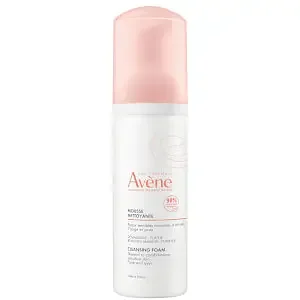
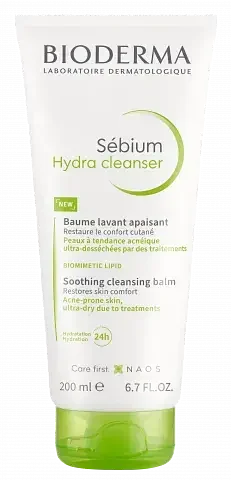
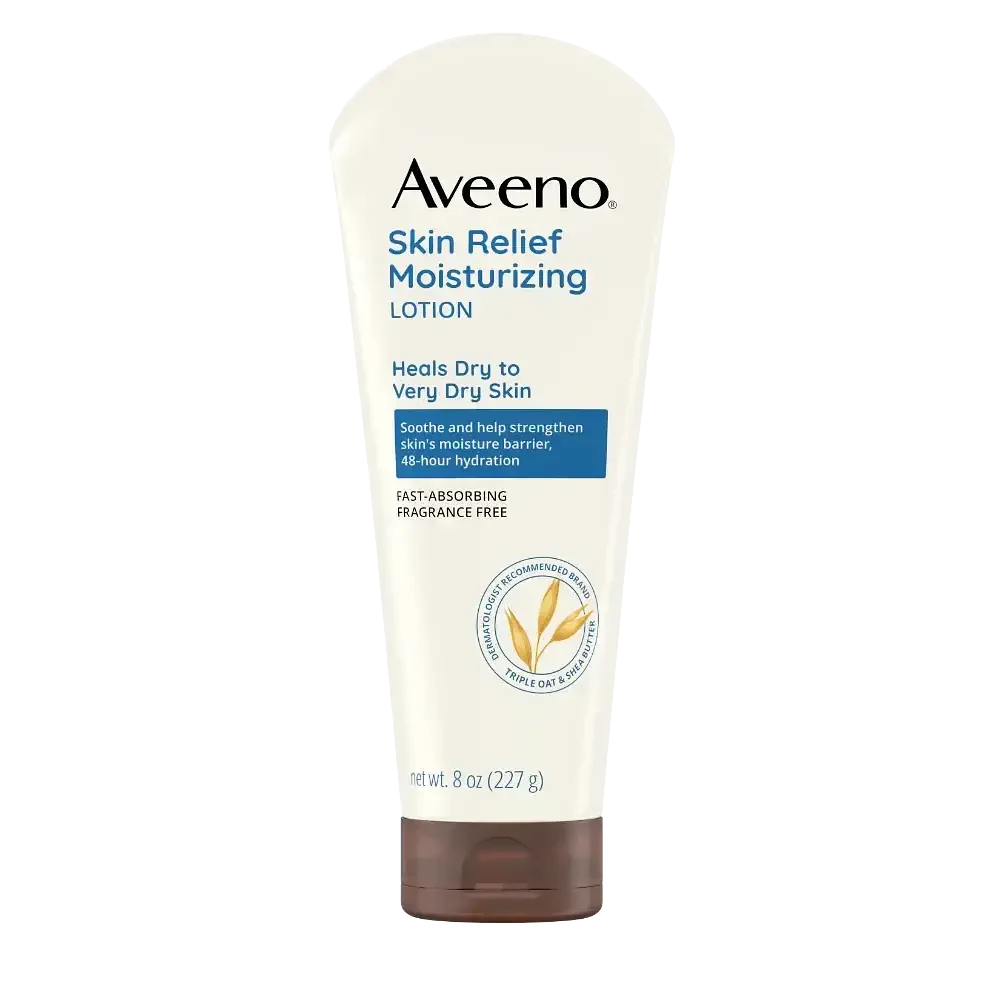
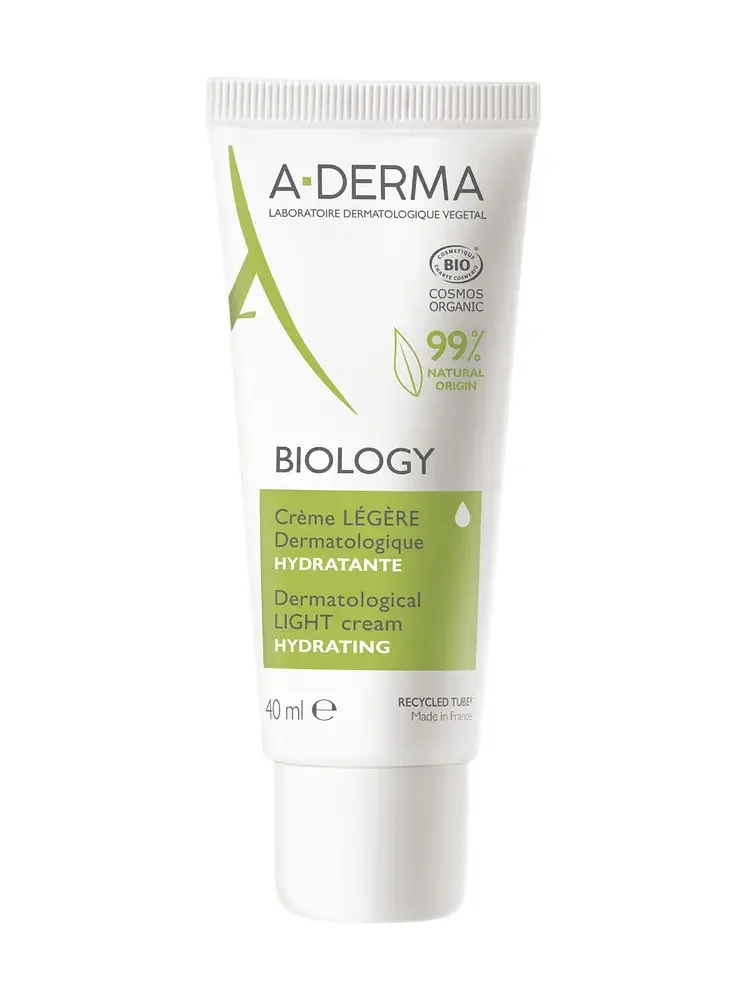
As an Amazon Associate, AllerNote earns from qualifying purchases.
Always scan the actual label before use — formulations change.
Scan a product for this concern
What is balsam of Peru?
Balsam of Peru (INCI: Myroxylon Pereirae) is a natural resin tapped from the bark of the Myroxylon balsamum tree of Central America. It has a warm, vanilla-and-cinnamon scent and has been used for centuries in perfumery, flavouring, and topical medicine. Chemically it's a complex brew of cinnamates, benzoates, vanillin, and related aromatic compounds — which is precisely why it's both useful as a fragrance and important as an allergen.
In cosmetics it appears in perfumes, lip products, hand and body creams, and flavoured toothpastes, and historically in wound-healing ointments. Despite being "natural," it's one of the most clinically significant fragrance allergens.
Why it's a "marker" allergen
The most important thing about balsam of Peru isn't balsam of Peru itself — it's what a reaction to it tells you. Because it contains so many of the same aromatic chemicals found throughout natural and synthetic fragrances, dermatologists use it on the baseline patch-test series as a marker for fragrance allergy. A positive result suggests you're likely to react to fragrance broadly, and should approach scented products with caution rather than chasing one specific chemical.
That's also why it travels with a long list of cross-reactors. People who react to balsam of Peru often react to:
- Cinnamon and cinnamon oil
- Vanilla and vanillin
- Citrus peel oils
- Cloves and other warm spices
- Balsam of Tolu (a close relative)
- Many synthetic fragrances that recreate these notes
The diet question (handle with care)
A genuinely useful but often-misapplied fact: a subset of people with balsam-of-Peru allergy and stubborn, widespread dermatitis improve on a low-balsam diet — temporarily cutting back on foods rich in the same chemicals (cinnamon, vanilla, citrus, cloves, tomatoes, certain spices). This is systemic contact dermatitis.
But this matters for a minority, not everyone with a positive test, and it should be a short, dermatologist-guided trial, not a permanent self-imposed restriction. Most people manage balsam-of-Peru allergy purely by avoiding fragranced topical products.
If your patch-test report lists balsam of Peru, read it as "you're probably fragrance-allergic," and let that guide your whole routine — fragrance-free skincare, haircare, and lip care — rather than only scanning for the words "Myroxylon pereirae."
Where it shows up
- Lip products and lipstick — a frequent cause of cheilitis (sore, scaling lips)
- Flavoured toothpaste — cinnamon/spice flavours especially
- Perfume and scented creams — perfume, hand cream, body lotion
- Topical ointments — older healing/wound preparations sometimes contained it
How to spot and avoid it
- Read labels for Myroxylon Pereirae, Balsam of Peru, Peru Balsam, or Peruvian Balsam.
- Go fragrance-free generally — because it's a marker, avoiding all fragrance is usually more effective than chasing this one name.
- Swap lip products and toothpaste for plain, flavour-free options if you get recurrent sore lips.
- Check "natural" and "botanical" products, which often lean on balsams and essential oils.
When to see a dermatologist
Persistent lip, hand, or facial dermatitis, or eczema that flares with perfumed products, is worth patch testing. Balsam of Peru sits on the baseline series with fragrance mix I and II, so a dermatologist can confirm fragrance sensitivity and — if your dermatitis is severe and widespread — discuss whether a short low-balsam diet trial is worth it.
The bottom line
Balsam of Peru is a natural fragrance resin whose real value is diagnostic: react to it, and you've likely learned you're fragrance-allergic across the board. Treat a positive result as a cue to go broadly fragrance-free, watch your lip products and toothpaste, and reserve the diet angle for stubborn cases under medical guidance.
Was this article helpful?
One tap tells us what to write more of. No account needed.
Is this ingredient in your products?
Scan any cosmetic product to check for Balsam of Peru and 30+ other allergens instantly.
References & further reading
- Balsam of Peru (Myroxylon pereirae) allergy — overview DermNet
- Fragrance and balsam of Peru contact allergy — clinical review PubMed / Contact Dermatitis
- CosIng — Myroxylon pereirae entry European Commission