
Benzocaine
A common OTC numbing agent and a classic "caine" allergen — part of the para-amino family that cross-reacts with PPD hair dye
INCIBenzocaine
- Category
- Anesthetic
- Risk level
- medium
- What it is
- An ester-class ("-caine") local anaesthetic, a derivative of PABA
- A "para" compound
- Cross-reacts within the para-amino family — other ester anaesthetics, PABA, and PPD (hair dye)
- Class to switch to
- Amide anaesthetics (lidocaine) generally do NOT cross-react and are the usual safe alternative
- Infant safety
- Regulators (incl. the FDA) advise against benzocaine teething gels in young children
Look for these names on ingredient lists
This ingredient may appear under any of these names:
Commonly found in
Possible reactions
- Lip swelling, redness, or itch (numbing lip products)
- Rash where applied (lips, sunburn, gums)
- Symptoms that worsen instead of improving with use
- Delayed reaction 24–48 hours after exposure
Top picks without Benzocaine
Highly rated products whose ingredient lists don't include Benzocaine.
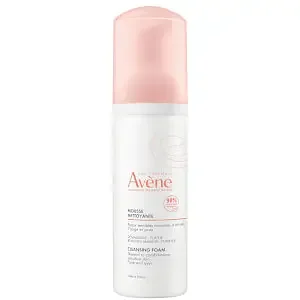
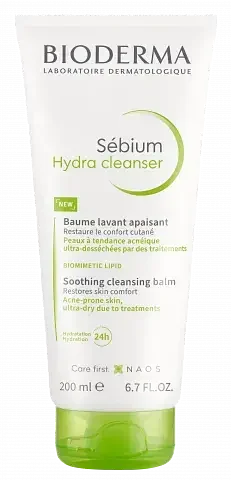
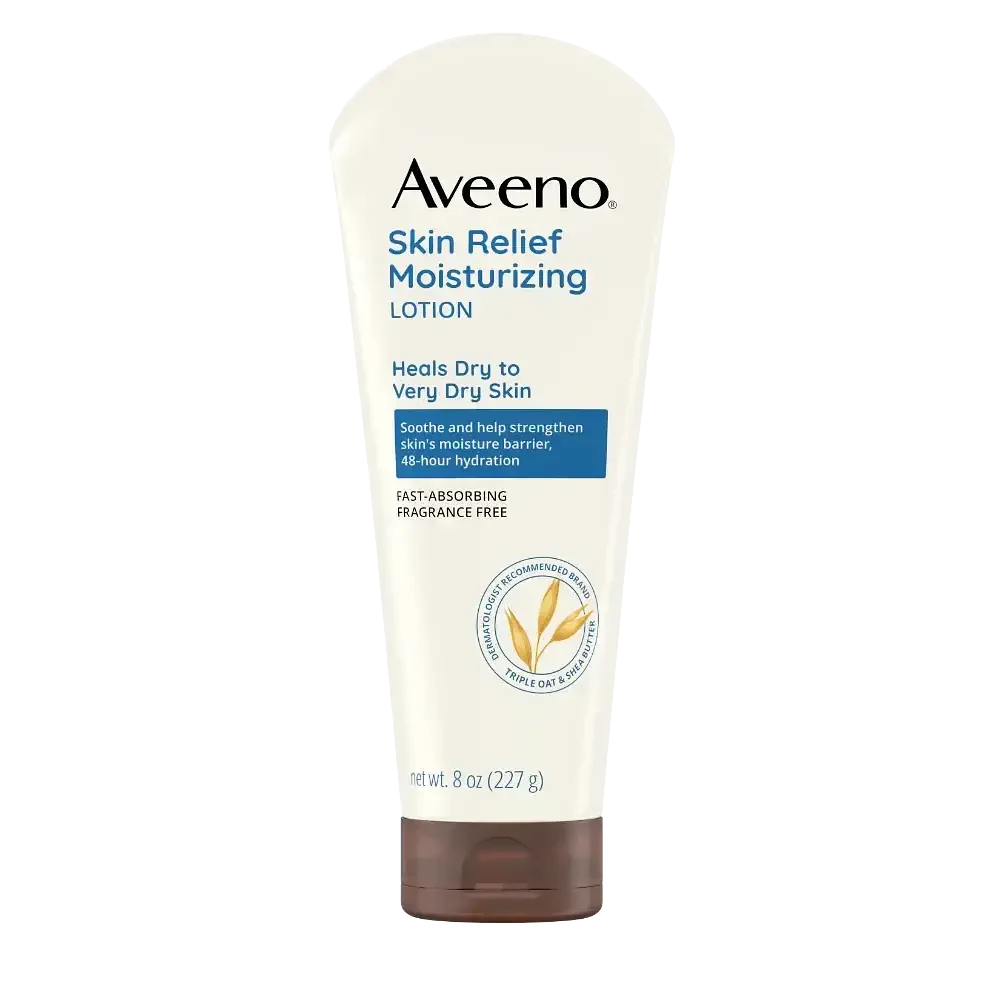
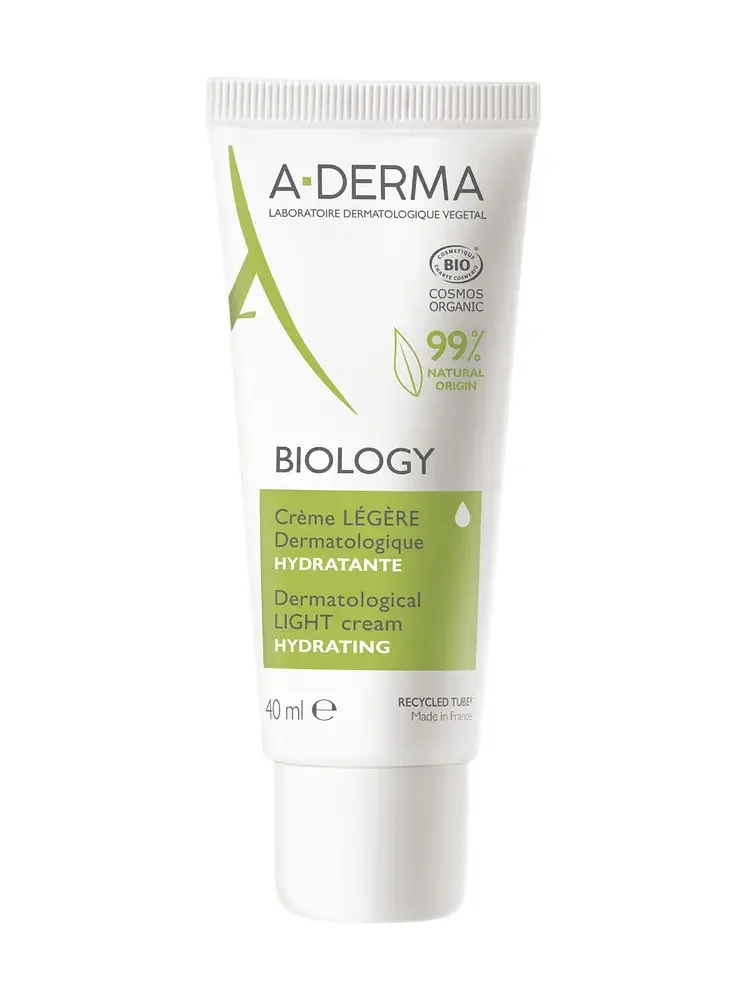
As an Amazon Associate, AllerNote earns from qualifying purchases.
Always scan the actual label before use — formulations change.
What is benzocaine?
Benzocaine (ethyl 4-aminobenzoate) is an ester-class local anaesthetic that numbs skin and mucous membranes by blocking nerve signals. It's a staple of OTC products: numbing/plumping lip products, sunburn gels, sore-throat lozenges and sprays, hemorrhoid creams, and (controversially) infant teething gels.
It's also one of the most common topical-anaesthetic allergens, and because it's built on the para-aminobenzoate (PABA) structure, it sits in the wider "para-amino" family — which is where its cross-reactions come from.
Why it causes reactions
Benzocaine causes Type IV delayed hypersensitivity — a reaction that usually appears 24–48 hours after exposure, and recurs (often worse) on re-exposure once you're sensitised. Two practical points dominate:
- Cross-reactivity (the "para" group). Benzocaine can cross-react with other ester anaesthetics (procaine, tetracaine), PABA, and PPD (permanent hair dye). So a benzocaine allergy can be a clue to PPD/hair-dye sensitivity — and vice versa.
- The "it made it worse" clue. Because it's applied for relief, an allergic reaction is easily mistaken for the original problem worsening (sunburn, sore lips, hemorrhoids), prompting more application and a bigger reaction.
Separately, the FDA and other regulators advise against benzocaine teething gels in infants (a blood-disorder risk, methemoglobinemia, distinct from allergy).
How to spot and avoid it
- Read labels for Benzocaine in lip, sunburn, throat, and hemorrhoid products.
- Switch to an amide anaesthetic (lidocaine) — generally non-cross-reacting — for numbing needs.
- Tell your dentist/doctor about the allergy (and the PPD link).
- Don''t use benzocaine teething gels for young children.
- Patch test to confirm and to check ester cross-reactors.
Safer alternatives
- Lidocaine / prilocaine (amide class): the usual safe anaesthetic alternatives.
- Pramoxine: a different (morpholine) class with low cross-reactivity.
- Sunburn/itch without anaesthetic: cool compresses, aloe, calamine.
- Lips: plain petrolatum/emollient balms.
The bottom line
Benzocaine is an effective but allergy-prone ester "caine" whose reactions masquerade as the problem getting worse — and whose "para" chemistry links it to PPD hair-dye allergy. If you react, move to an amide anaesthetic (lidocaine), flag it to your dentist, and keep the PPD cross-reaction in mind.
Was this article helpful?
One tap tells us what to write more of. No account needed.
Is this ingredient in your products?
Scan any cosmetic product to check for Benzocaine and 30+ other allergens instantly.