
Betaine
A sugar-beet humectant that softens harsh cleansers — and is NOT the same as the allergen cocamidopropyl betaine
INCIBetaine
- Category
- Humectant
- Risk level
- low
- What it is
- An osmolyte (trimethylglycine) from sugar beet that helps cells hold water
- Cleanser softener
- Blunts the irritation of sulfate and amphoteric surfactants
- NOT cocamidopropyl betaine
- Plain "betaine" is a gentle humectant; cocamidopropyl betaine is a separate surfactant with a higher allergy rate
- Tolerability
- Allergy essentially unheard of; used in baby/sensitive formulas
Look for these names on ingredient lists
This ingredient may appear under any of these names:
Commonly found in
Possible reactions
- No documented allergic reactions
- No irritation at cosmetic concentrations
- Often added specifically to reduce surfactant irritation
- Used in baby and sensitive-skin products
Top picks with Betaine
Highly rated products that feature Betaine in their ingredient list.
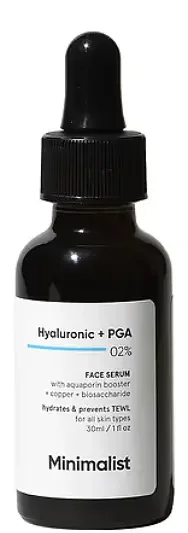
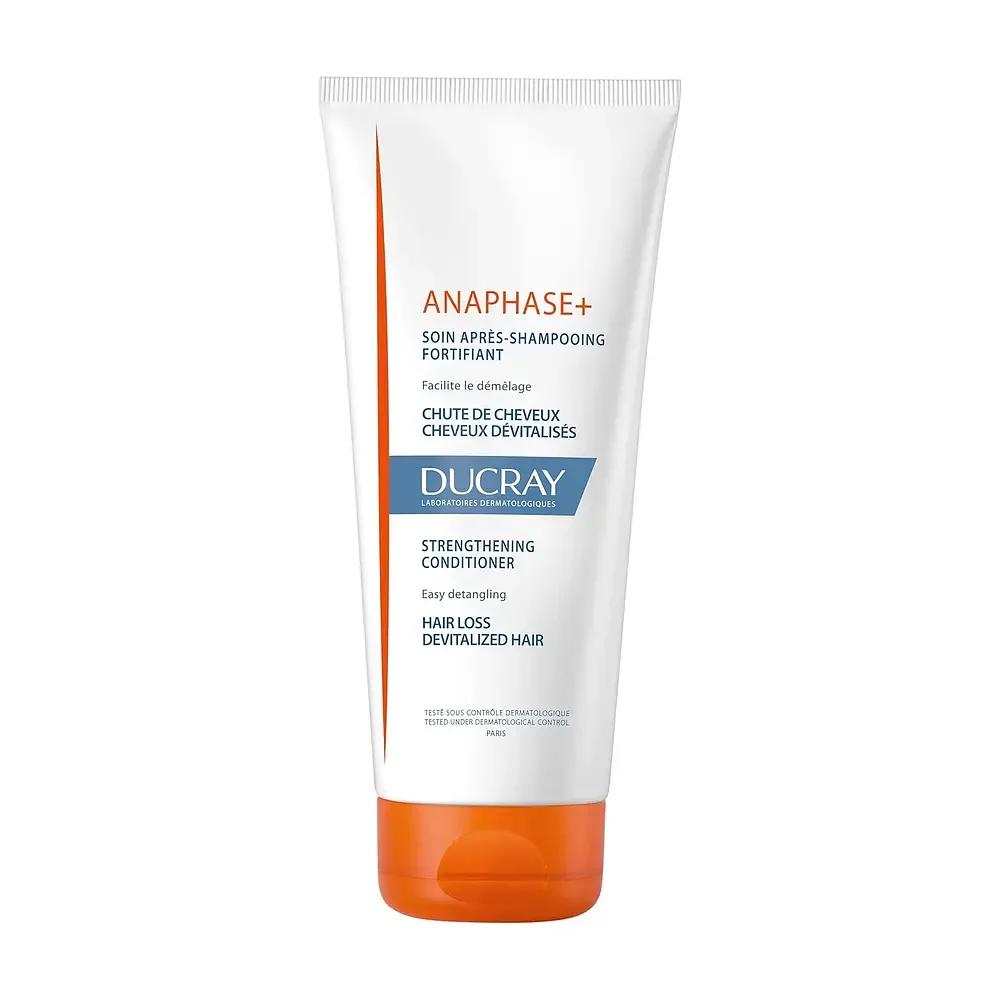

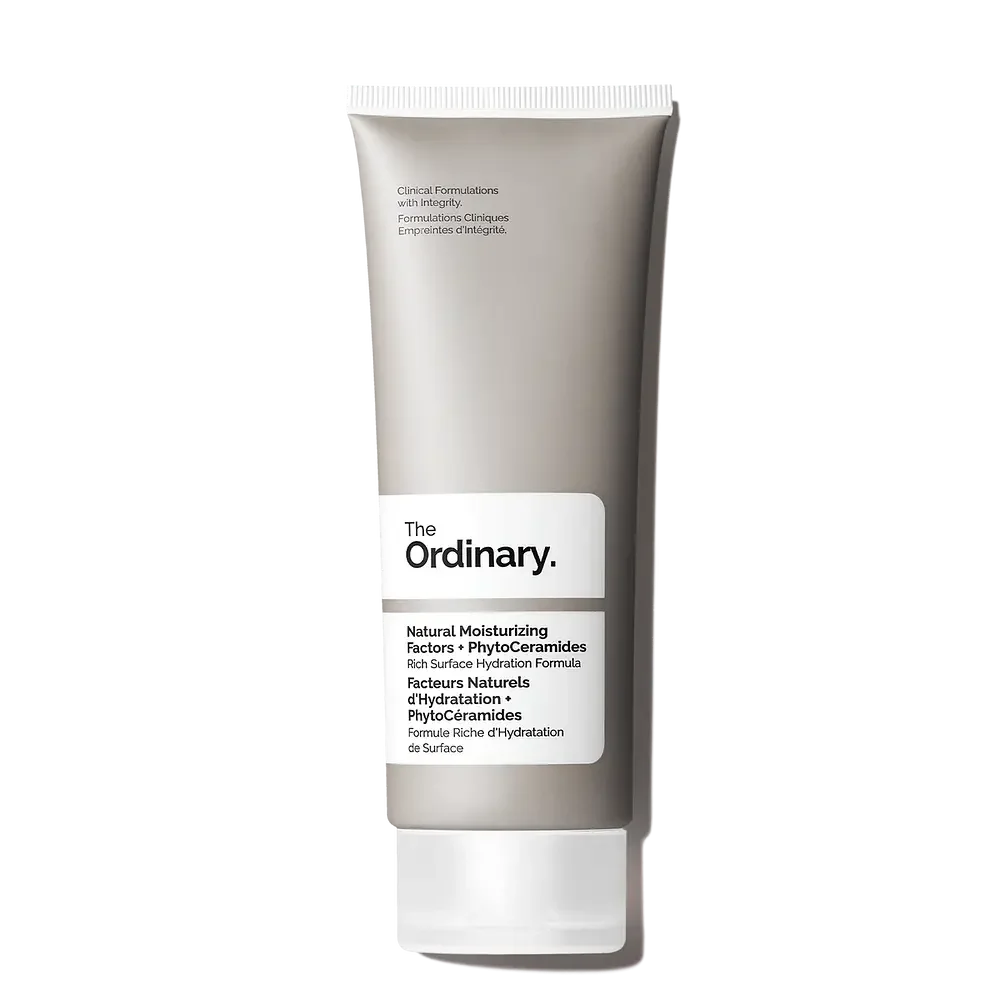
As an Amazon Associate, AllerNote earns from qualifying purchases.
Always scan the actual label before use — formulations change.
What is betaine?
Betaine — also called trimethylglycine (TMG) — is a small molecule (glycine with three methyl groups) found in sugar beets, spinach, and many organisms, where it acts as an osmolyte: it helps cells hold onto water under stress (salty soil, cold). Cosmetic betaine is extracted from sugar-beet processing, making it a low-cost, vegan humectant.
It does two jobs in skincare: as a humectant it draws water into the upper skin and leaves a soft after-feel, and as a cleanser softener it sits alongside surfactants and reduces their potential to irritate.
Why it's almost universally safe
Betaine has one of the cleanest safety profiles in cosmetics — it's a molecule your own body uses in metabolism and that you eat in everyday foods. Safety panels rate it safe at all cosmetic concentrations (usually 0.5–5%), and true allergic contact dermatitis is essentially unheard of.
This naming trips people up. Plain betaine (trimethylglycine) is the gentle humectant on this page. Cocamidopropyl betaine (CAPB) is a different ingredient — a coconut-derived surfactant that is a recognised contact allergen. If you're tracking a "betaine" reaction, check which one is on the label; they're not interchangeable.
How to handle it
- No need to seek it out — it works quietly in many products you already use.
- Look for it in "gentle"/sensitive cleansers, usually top 5–7 ingredients.
- Pair with richer humectants (glycerin, HA, panthenol) in dry climates.
- Choose betaine cleansers if SLS dries you — they're typically far less stripping.
- Don't confuse it with CAPB.
Alternatives
- Richer hydration: glycerin, hyaluronic acid, sodium PCA.
- Even gentler cleansing: decyl/coco-glucoside, sodium cocoyl isethionate.
- Reacting to a betaine cleanser? suspect the surfactant/fragrance/preservative, not the betaine.
The bottom line
Plain betaine is a benign sugar-beet humectant that makes cleansers milder and adds light hydration — allergy essentially nonexistent. The single most useful thing to remember is that it's not cocamidopropyl betaine, the surfactant allergen with a similar name.
Was this article helpful?
One tap tells us what to write more of. No account needed.
Is this ingredient in your products?
Scan any cosmetic product to check for Betaine and 30+ other allergens instantly.