
Ceramides
The lipid "mortar" of your skin barrier — replenishing them is first-line care for dry, sensitive, and eczema-prone skin
INCICeramide NP
- Category
- Barrier
- Risk level
- low
- What they are
- Physiological lipids that make up roughly half the lipid matrix of the outer skin layer
- The 1:1:1 idea
- Work best alongside cholesterol and fatty acids in roughly equal amounts
- Tolerability
- Among the safest ingredients — allergy essentially unheard of
- Eczema evidence
- Ceramide-containing moisturisers reduce flares in atopic dermatitis with twice-daily use
Look for these names on ingredient lists
This ingredient may appear under any of these names:
Commonly found in
Possible reactions
- No meaningful allergic reactions documented
- No irritation at cosmetic concentrations
- Safe for infants, atopic skin, and post-procedure use
- Recommended in atopic dermatitis guidelines
Top picks with Ceramides
Highly rated products that feature Ceramides in their ingredient list.
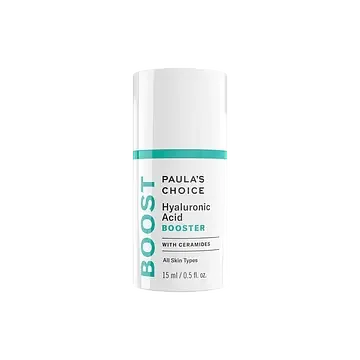
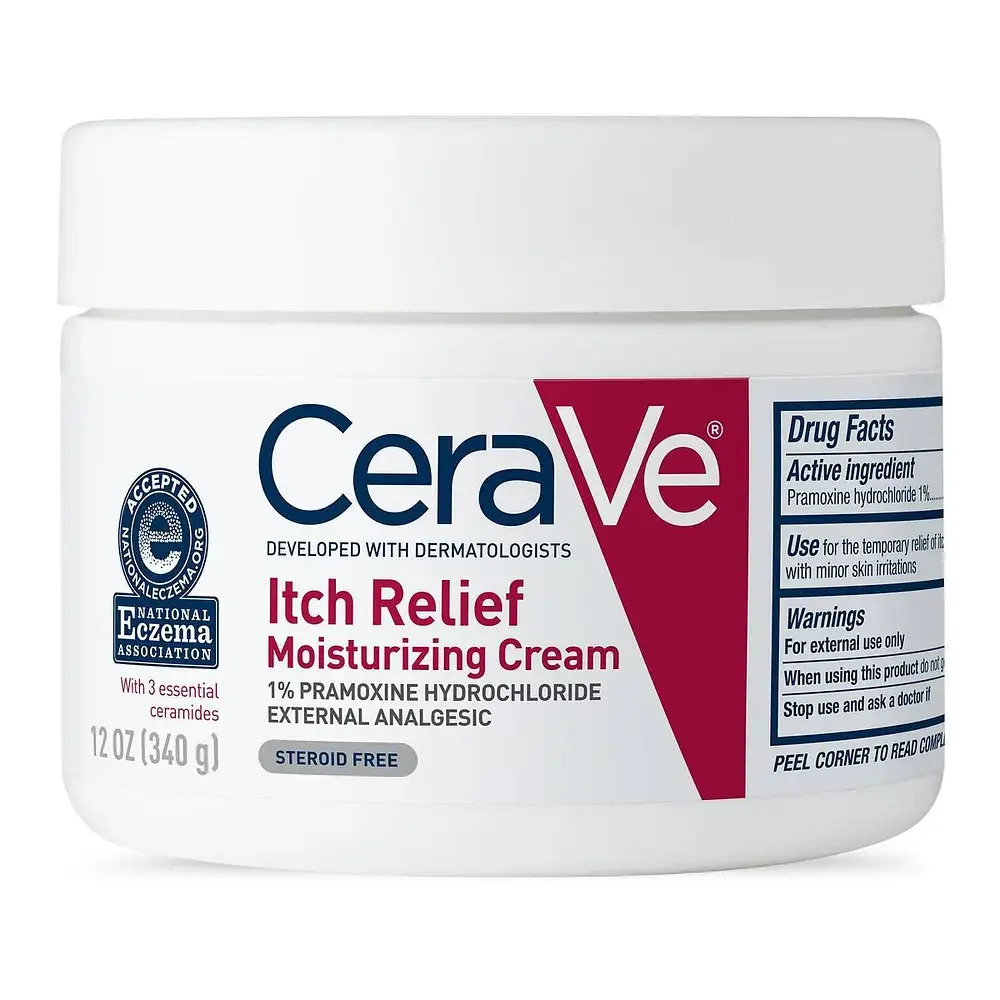
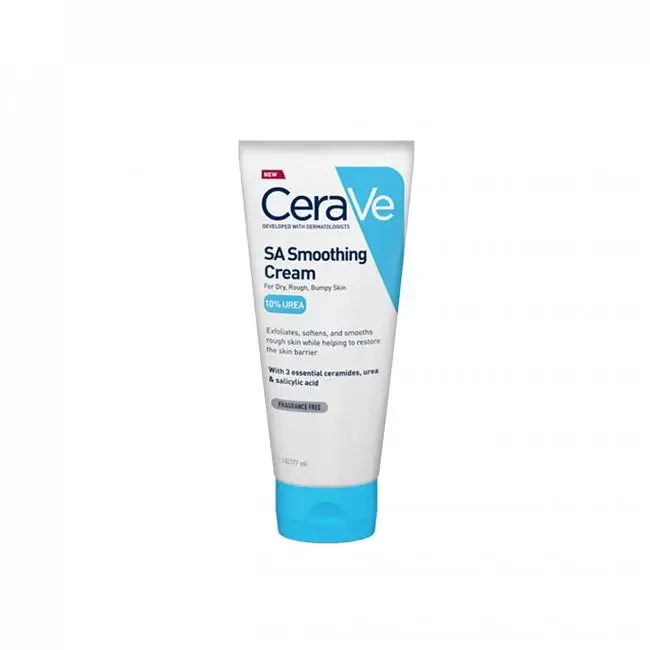

As an Amazon Associate, AllerNote earns from qualifying purchases.
Always scan the actual label before use — formulations change.
What is a ceramide?
Ceramides are a family of lipid molecules — fats with a sphingosine backbone — that make up roughly half the lipid matrix of your outermost skin layer. Picture the stratum corneum as a brick wall: skin cells are the bricks, and ceramides (with cholesterol and free fatty acids) are the mortar holding them together. Without enough mortar, the wall leaks water and lets irritants in.
Skin ceramide levels naturally fall with age, sun damage, harsh cleansing, over-exfoliation, and conditions like eczema and atopic dermatitis. Topical ceramides put back what's missing. Modern formulas use lab-made ceramides identical to skin's own, named with a letter system (NP, AP, EOP, NS) describing their structure.
Why they're almost universally safe
Because ceramides are lipids your body already produces, allergic reactions to them are essentially nonexistent, and they're rated safe at all cosmetic concentrations. Dermatology guidelines explicitly recommend ceramide-based moisturisers as first-line care for mild eczema and as support alongside prescribed treatments for moderate cases.
The key practical point is that ratio matters. Ceramides work best in roughly 1:1:1 proportion with cholesterol and fatty acids — the other two parts of the natural lipid matrix. A formula with only ceramides is less effective than one with all three (the principle behind well-regarded barrier creams like CeraVe, Cetaphil Restoraderm, and Bioderma Atoderm).
Since the ceramides themselves are inert to your immune system, a reaction points elsewhere in the formula — usually fragrance or a preservative. That's a useful reframe: don't conclude "I react to ceramides," check what else is in the tube.
How to use them well
- Look for multiple ceramide types (NP, AP, EOP) rather than a single one.
- Check for cholesterol and fatty acids in the ingredient list.
- Apply to damp skin to seal in water right after washing.
- Twice daily for repair — a compromised barrier needs morning and night for at least two weeks to noticeably improve.
- Pair with niacinamide, which prompts skin to make more of its own ceramides.
Alternatives
- Simpler/cheaper: plain petrolatum plus a glycerin lotion does much of the same job, less elegantly.
- Same lipids, no "ceramide" label: many "barrier repair" creams contain the right lipid stack without the buzzword.
- Oily/acne-prone skin: ceramide gel formulas give barrier benefit without heaviness.
The bottom line
Ceramides are about as close to a no-risk ingredient as skincare offers — your own barrier lipids, rebuilt topically, with allergy essentially off the table. The only thing to optimise is the formula around them: ceramides plus cholesterol plus fatty acids beat ceramides alone.
Was this article helpful?
One tap tells us what to write more of. No account needed.
Is this ingredient in your products?
Scan any cosmetic product to check for Ceramides and 30+ other allergens instantly.