
Chromium (Potassium Dichromate)
The leather-and-cement metal allergen — and the reason a stubborn foot or hand rash can trace back to your shoes
INCIPotassium Dichromate
- Category
- Metal
- Risk level
- high
- Hexavalent is the problem
- Chromium VI (e.g. potassium dichromate) is a strong sensitiser; EU rules cap it in leather at 3 mg/kg to reduce shoe/glove dermatitis
- A leading occupational allergen
- Cement workers have high chromium-allergy rates from hexavalent chromium in wet cement; it's often persistent, even after exposure stops
- Travels with other metals
- Frequently co-occurs with nickel and cobalt allergy in metal-sensitive people
- Patch test
- Potassium dichromate 0.5% sits in the baseline patch-test series
Look for these names on ingredient lists
This ingredient may appear under any of these names:
Commonly found in
Possible reactions
- Persistent, itchy hand or foot dermatitis
- Foot dermatitis from leather shoes (a common, overlooked cause)
- Chronic hand eczema in cement/construction workers
- Skin ulcers ("chrome holes") from heavy occupational exposure
Top picks without Chromium (Potassium Dichromate)
Highly rated products whose ingredient lists don't include Chromium (Potassium Dichromate).
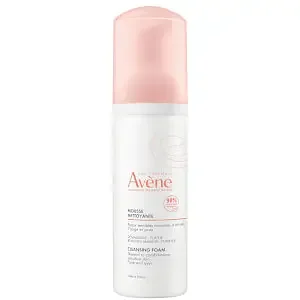
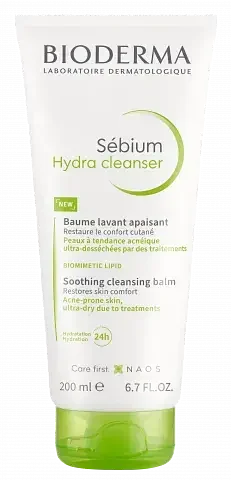
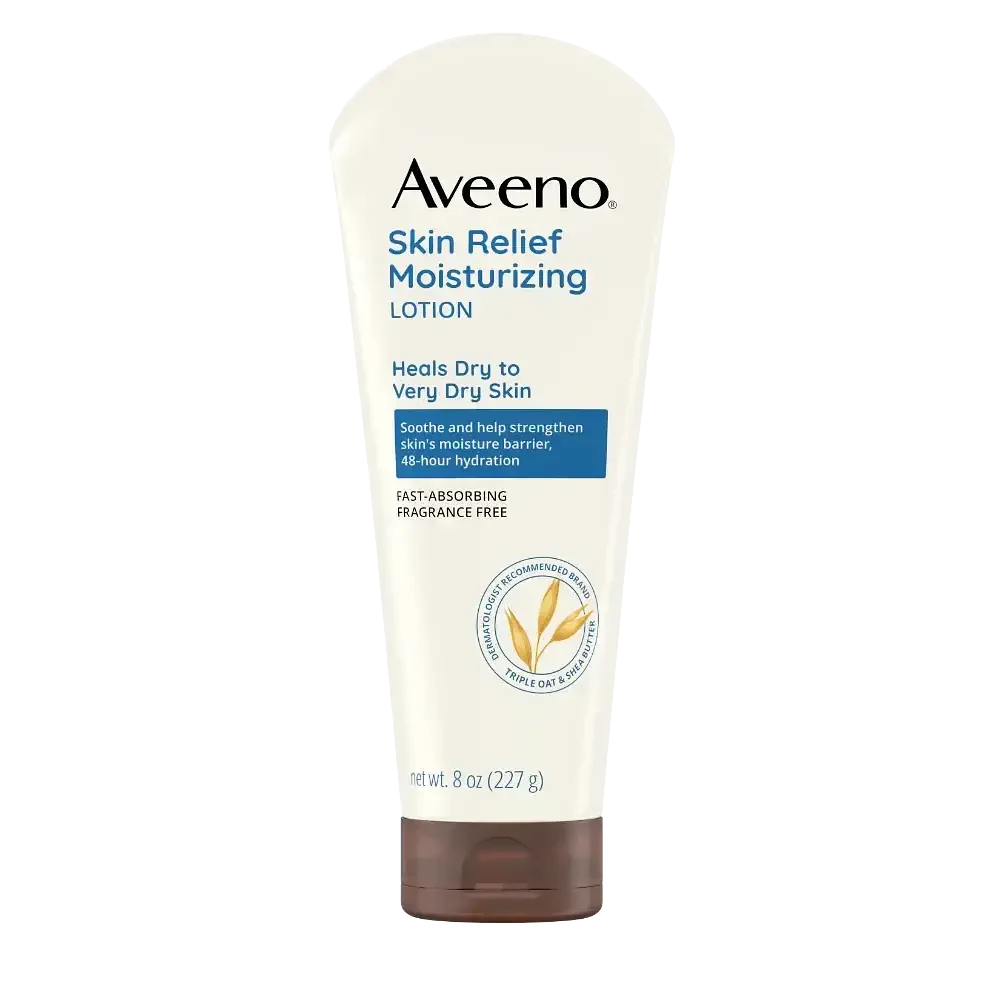
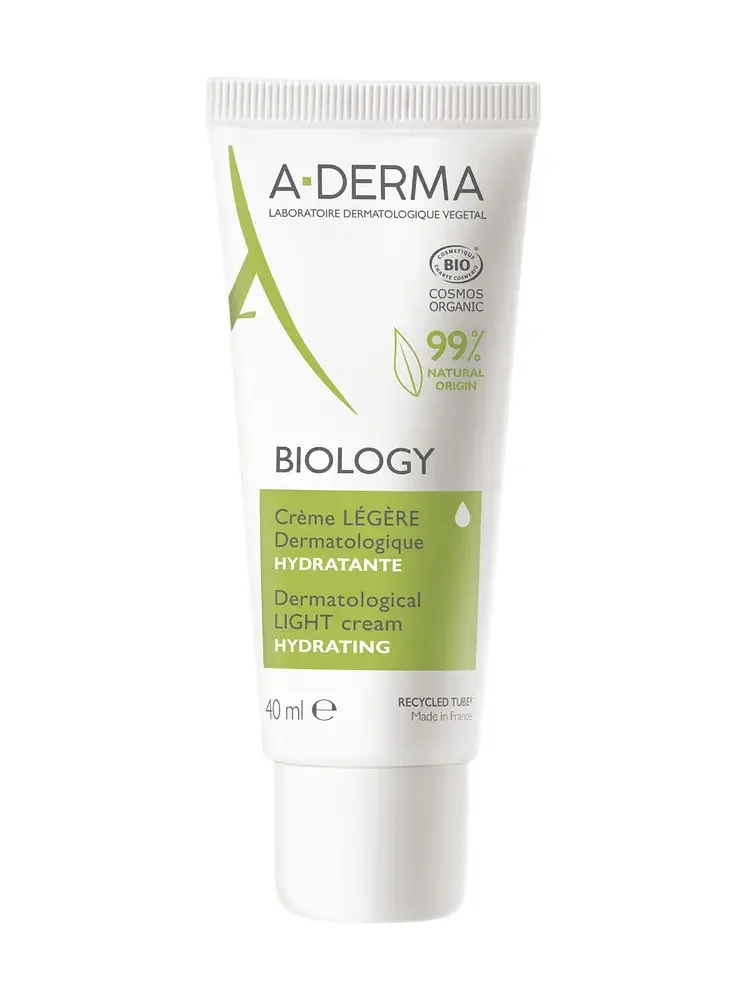
As an Amazon Associate, AllerNote earns from qualifying purchases.
Always scan the actual label before use — formulations change.
Scan a product for this concern
What is chromium (and potassium dichromate)?
Chromium comes in different forms that behave very differently. Trivalent chromium (Cr III) is an essential trace nutrient. Hexavalent chromium (Cr VI) — including potassium dichromate — is a strong sensitiser and irritant, and it's the form that matters for allergy. Potassium dichromate is the standard patch-test reference for chromium allergy.
Where do people actually meet it? Two big sources and one cosmetic one:
- Chrome-tanned leather — the great majority of leather (shoes, belts, watch straps, gloves) is tanned with chromium salts.
- Wet cement — a major occupational source.
- Cosmetics — chromium green pigments (Chromium Oxide Greens, CI 77288; chromium hydroxide green) in some eyeshadows and liners; and some green/yellow tattoo inks.
Why chromium causes reactions
Hexavalent chromium penetrates skin readily and binds proteins to trigger a robust Type IV delayed hypersensitivity. Two features make it clinically important:
- It's persistent. Once sensitised, people react to very low levels, and the dermatitis tends to be chronic — sometimes continuing even after the exposure ends.
- It spreads. Reactions aren't always confined to the contact site. In leather, sweat and friction increase chromium leaching, which is why shoe and watch-strap dermatitis is common.
Cosmetic chromium (the green pigments) is generally a smaller risk than leather or cement, but sensitised people can still react to green makeup.
Chromium is my go-to example of "the allergen isn't always in the bathroom cabinet." People scrutinise their skincare while standing in chrome-tanned shoes that are the actual cause of a months-long foot rash. If a foot rash won't quit and antifungals do nothing, look down at what you're wearing before you blame your moisturiser. — Snehal
Where it's found
- Chrome-tanned leather — shoes, belts, straps, gloves, bag handles.
- Wet cement — construction, masonry, tiling.
- Green cosmetic pigments — some eyeshadows/liners (CI 77288).
- Some tattoo inks — green and yellow shades.
How to avoid it
- Read cosmetic labels for Chromium Oxide Greens (CI 77288) and Chromium Hydroxide Green — mainly an issue for green eye makeup.
- Choose chrome-free leather — vegetable-tanned or certified "chrome-free"/"metal-free", or non-leather (canvas, fabric, synthetic).
- Protect against cement — barrier creams, proper gloves, and lower-chromium (reduced) cement where available.
- Ask about ink — chromium-free options for green/yellow tattoos.
- Patch test for unexplained chronic hand/foot dermatitis.
Safer alternatives
- Cosmetics: iron-oxide greens, ultramarine greens, or neutral/brown palettes.
- Leather goods: vegetable-tanned leather, cork, recycled materials, quality synthetics.
- Occupational: PPE, low-chromium cement, workplace chromium-safety practice.
The bottom line
Chromium — specifically hexavalent chromium in chrome-tanned leather and wet cement — is a potent, persistent contact allergen, and a classic overlooked cause of chronic foot and hand dermatitis. In cosmetics it's mainly the green pigments. Switch to chrome-free leather and non-chromium green makeup, protect against cement, and patch test to confirm — and remember the culprit might be on your feet, not in your routine.
Was this article helpful?
One tap tells us what to write more of. No account needed.
Is this ingredient in your products?
Scan any cosmetic product to check for Chromium (Potassium Dichromate) and 30+ other allergens instantly.