
Cobalt Chloride
A metal allergen that travels with nickel — mostly encountered through jewellery, occupational exposure, and trace pigment impurities rather than as a listed cosmetic ingredient
INCICobalt Chloride
- Category
- Metal
- Risk level
- medium
- Travels with nickel
- Cobalt allergy very commonly coexists with nickel allergy (combined sensitisation)
- Main sources
- Jewellery, occupational exposure (cement, hard metal, paints), and trace pigment impurities — not usually a deliberate cosmetic ingredient
- Patch test standard
- Cobalt chloride 1% is part of the baseline patch-test series
- EU status
- Cobalt and many cobalt compounds are restricted/prohibited in EU cosmetics
Look for these names on ingredient lists
This ingredient may appear under any of these names:
Commonly found in
Possible reactions
- Itchy rash at the site of metal contact
- Redness and swelling, sometimes around the eyes
- Eczema-like, scaling patches
- Hand dermatitis from occupational exposure
- Scalp irritation from cobalt-containing hair dye
Top picks without Cobalt Chloride
Highly rated products whose ingredient lists don't include Cobalt Chloride.
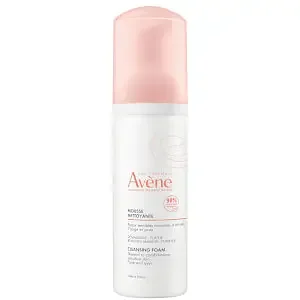
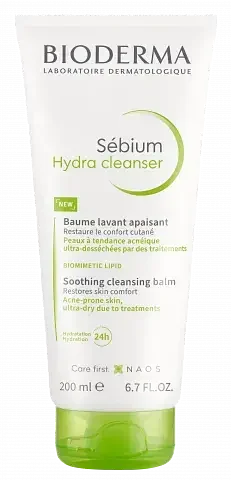
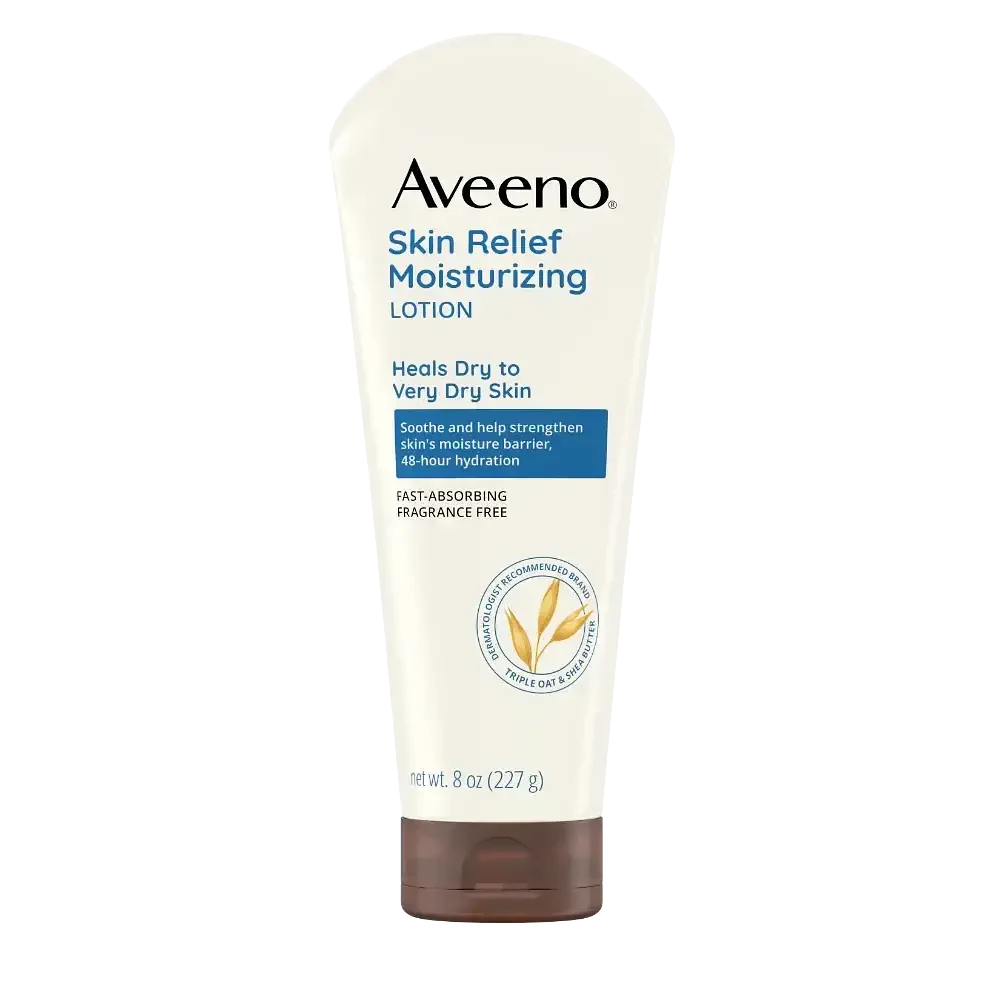
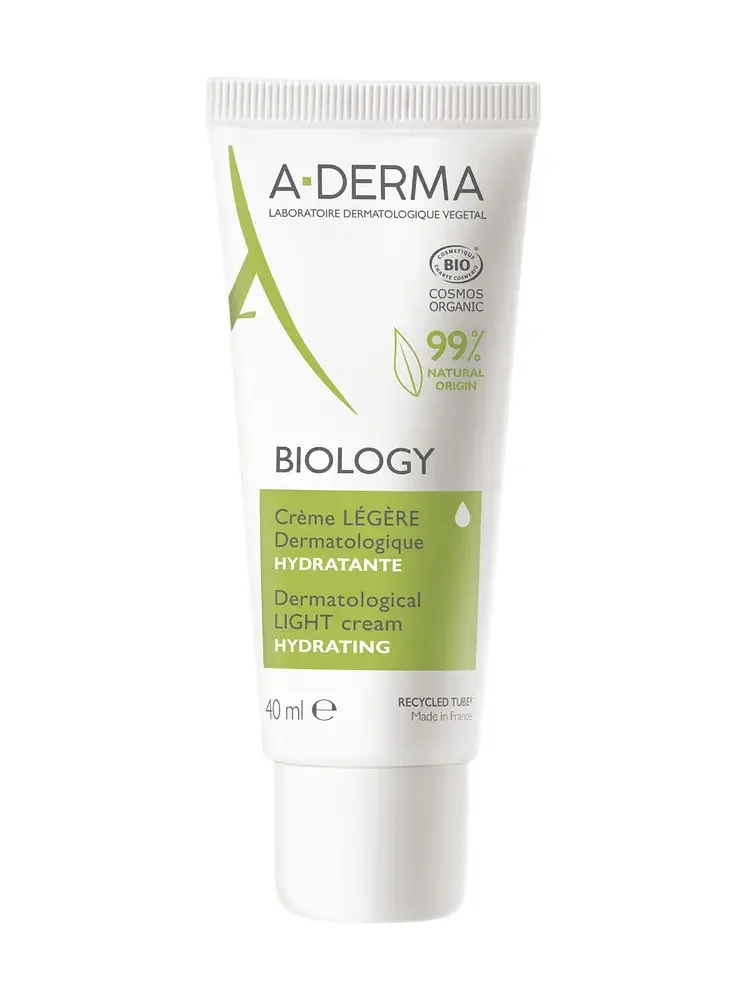
As an Amazon Associate, AllerNote earns from qualifying purchases.
Always scan the actual label before use — formulations change.
Scan a product for this concern
What is cobalt?
Cobalt is a hard, bluish metal. Cobalt chloride is the salt form used in patch testing. It has plenty of legitimate roles — it's the metal at the centre of vitamin B12, and it's used in alloys, batteries, pigments, and hard metal tooling — but in the world of contact allergy, it's best known as nickel's frequent travelling companion.
It's worth correcting a common myth up front: cobalt is not usually a deliberate cosmetic ingredient. In the EU, cobalt and most of its compounds are restricted or prohibited in cosmetics. Where cobalt shows up on skin, it's mainly through jewellery, occupational exposure (cement, paints, hard-metal industries), trace pigment impurities, and some hair dyes — not a "cobalt blue eyeshadow" you can read off a label.
Why cobalt causes reactions
Like nickel, cobalt is a hapten — it binds skin proteins and can prime a delayed allergic response after repeated exposure. Once sensitised, small amounts can provoke an itchy, sometimes eczema-like rash at the contact site.
The defining feature of cobalt allergy is its link with nickel. The two metals are so often found together — in alloys, costume jewellery, and workplaces — that people are frequently exposed to both and end up sensitised to both. Whether that's true cross-reactivity or simply shared exposure is debated, but the practical result is the same: cobalt and nickel allergy commonly coexist, and finding one on a patch test should prompt attention to the other.
How cobalt reaches skin
- Jewellery and metal items — the dominant source, alongside nickel
- Occupational exposure — cement (a classic cause of hand dermatitis in construction), hard metal, paints, and pigments
- Some hair dyes — a possible contributor to scalp dermatitis
- Trace pigment impurities — small amounts can accompany certain mineral colourants
How to reduce exposure
- Manage the metal sources first — nickel-safe jewellery (titanium, 316L steel, solid gold, sterling silver) tends to be cobalt-safe too.
- Mind occupational contact — gloves and barrier measures matter most for cement, paints, and hard-metal work.
- Check hair dye if you have a known metal allergy and react to colouring — patch test the actual product 48 hours ahead.
- Favour low-impurity, sensitive-skin pigments if you react across many colour cosmetics.
When to see a dermatologist
Because cobalt allergy so often rides with nickel — and because its sources are frequently jewellery or work rather than the bathroom shelf — patch testing is the way to pin it down. Cobalt chloride sits on the baseline series, so it's tested routinely alongside nickel. A clear result helps you target the real sources rather than blaming cosmetics that may be innocent.
The bottom line
Cobalt is a genuine contact allergen, but its reputation as a cosmetic pigment is overblown — in the EU it's largely restricted in cosmetics, and most exposure comes from jewellery, work, and trace impurities. If you're nickel-allergic, treat cobalt as a likely fellow-traveller and confirm it with a patch test.
Was this article helpful?
One tap tells us what to write more of. No account needed.
Is this ingredient in your products?
Scan any cosmetic product to check for Cobalt Chloride and 30+ other allergens instantly.