
Coenzyme Q10 (CoQ10 / Ubiquinone)
A fat-soluble antioxidant your own cells make — a gentle, low-allergy supporting player in anti-aging
INCIUbiquinone
- Category
- Antioxidant
- Risk level
- low
- Made by your cells
- Every cell produces CoQ10 for mitochondrial energy; skin levels fall with age and sun
- Fat-soluble antioxidant
- Protects skin-cell membrane lipids from oxidation
- Evidence
- Real but modest — gentle firmness/fine-line benefit, best within a broader routine
- Tolerability
- A molecule your body already uses — allergy essentially unheard of
Look for these names on ingredient lists
This ingredient may appear under any of these names:
Commonly found in
Possible reactions
- Contact dermatitis very rare (well under 0.1%)
- No stinging at cosmetic concentrations
- Yellow-orange tint in formulas is normal
- Pregnancy-safe at topical concentrations
Top picks with Coenzyme Q10 (CoQ10 / Ubiquinone)
Highly rated products that feature Coenzyme Q10 (CoQ10 / Ubiquinone) in their ingredient list.
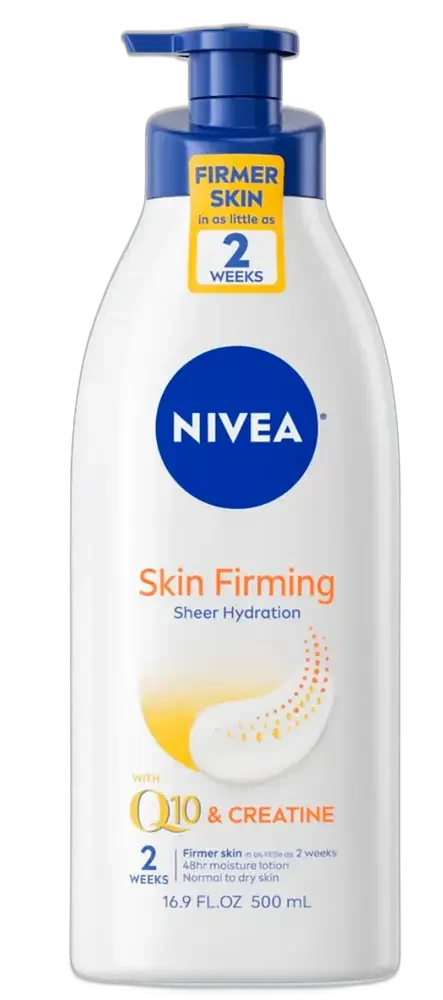

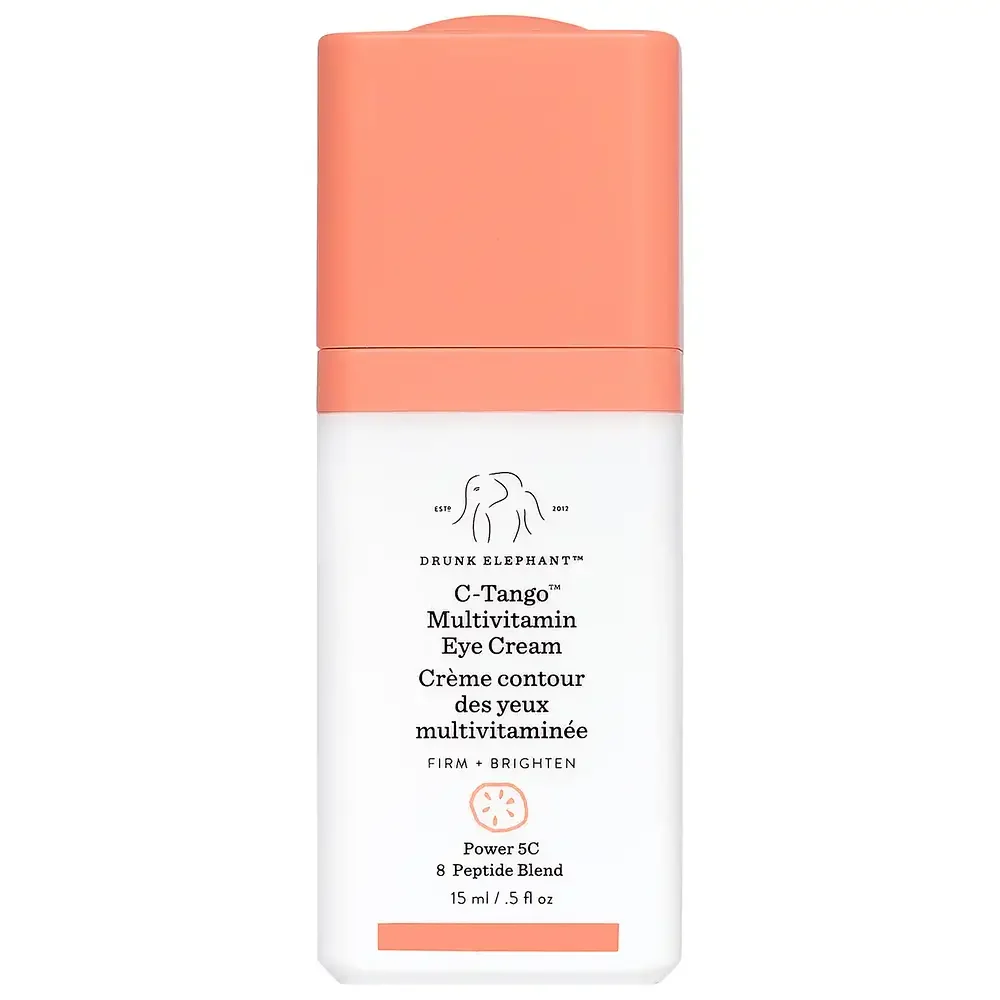
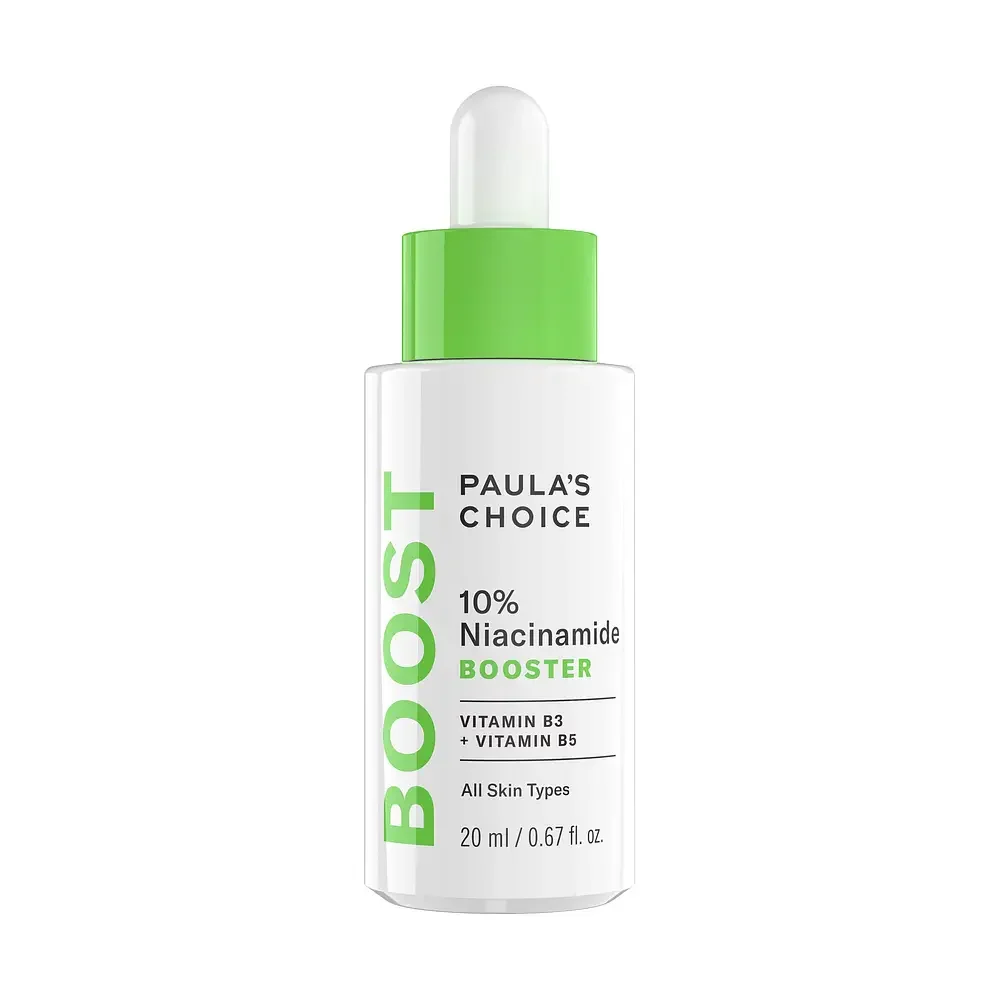
As an Amazon Associate, AllerNote earns from qualifying purchases.
Always scan the actual label before use — formulations change.
What is CoQ10?
Coenzyme Q10 — listed as ubiquinone on labels — is a fat-soluble molecule every cell produces to generate energy in mitochondria. It also works as a fat-soluble antioxidant in cell membranes, protecting lipids from oxidative damage. Skin CoQ10 levels decline with age, sun, and stress, and topical CoQ10 aims to replenish them in the upper skin layers, supporting antioxidant defence.
Why it's almost never a problem
Because it's a molecule your body already makes and uses constantly, allergy is essentially unheard of (contact dermatitis well under 0.1%), and it's rated safe at cosmetic levels. The yellow-orange tint of CoQ10 products is the ingredient's own colour — normal, not oxidation.
The honest note is on efficacy: the evidence is real but modest — some improvement in fine lines, firmness, and antioxidant capacity — and it works best as a supporting antioxidant, not a standalone miracle. It's fat-soluble, so it belongs in cream/oil bases rather than watery serums.
How to use it well
- Treat it as a complement — pair with retinol, vitamin C, and sunscreen.
- Morning or night — stable either way; many prefer night.
- Look for it in creams/moisturisers (fat-soluble).
- Keep expectations realistic — gentle, gradual support.
- Pair with retinol for a low-irritation nighttime stack.
Alternatives
- Stronger anti-aging: retinol, peptides, vitamin C.
- Other antioxidants: vitamin E, ferulic acid, resveratrol, astaxanthin.
- Barrier support (which CoQ10 doesn't do): ceramides, cholesterol, panthenol.
- Gentle retinol alternative: bakuchiol.
The bottom line
CoQ10 is a gentle, near-zero-allergy antioxidant your body already uses — a nice supporting ingredient for mature or sensitive skin. Expect modest, gradual benefit, keep it in cream bases, and build it into a routine alongside the proven heavy hitters.
Was this article helpful?
One tap tells us what to write more of. No account needed.
Is this ingredient in your products?
Scan any cosmetic product to check for Coenzyme Q10 (CoQ10 / Ubiquinone) and 30+ other allergens instantly.