
EGF (Epidermal Growth Factor)
A Nobel-winning cell-signalling protein for skin repair — promising, premium, and with real caveats
INCIsh-Oligopeptide-1
- Category
- Peptide
- Risk level
- low
- Nobel-Prize origin
- EGF was discovered by Stanley Cohen in the 1960s, earning a Nobel Prize in 1986
- Cell proliferation
- Binds receptors on skin cells and triggers them to divide — accelerating turnover and repair
- The caveats
- Caution with skin-cancer history; pregnancy safety not established; delicate protein that can need cold storage
- Common concentration
- 0.001–0.01% (EGF is active at very low levels)
Look for these names on ingredient lists
This ingredient may appear under any of these names:
Commonly found in
Possible reactions
- Allergic reactions are rare
- No sun sensitivity
- Caution if you have a history of skin cancer (cell-proliferation concern)
- Pregnancy safety not established — check with your doctor
Top picks with EGF (Epidermal Growth Factor)
Highly rated products that feature EGF (Epidermal Growth Factor) in their ingredient list.
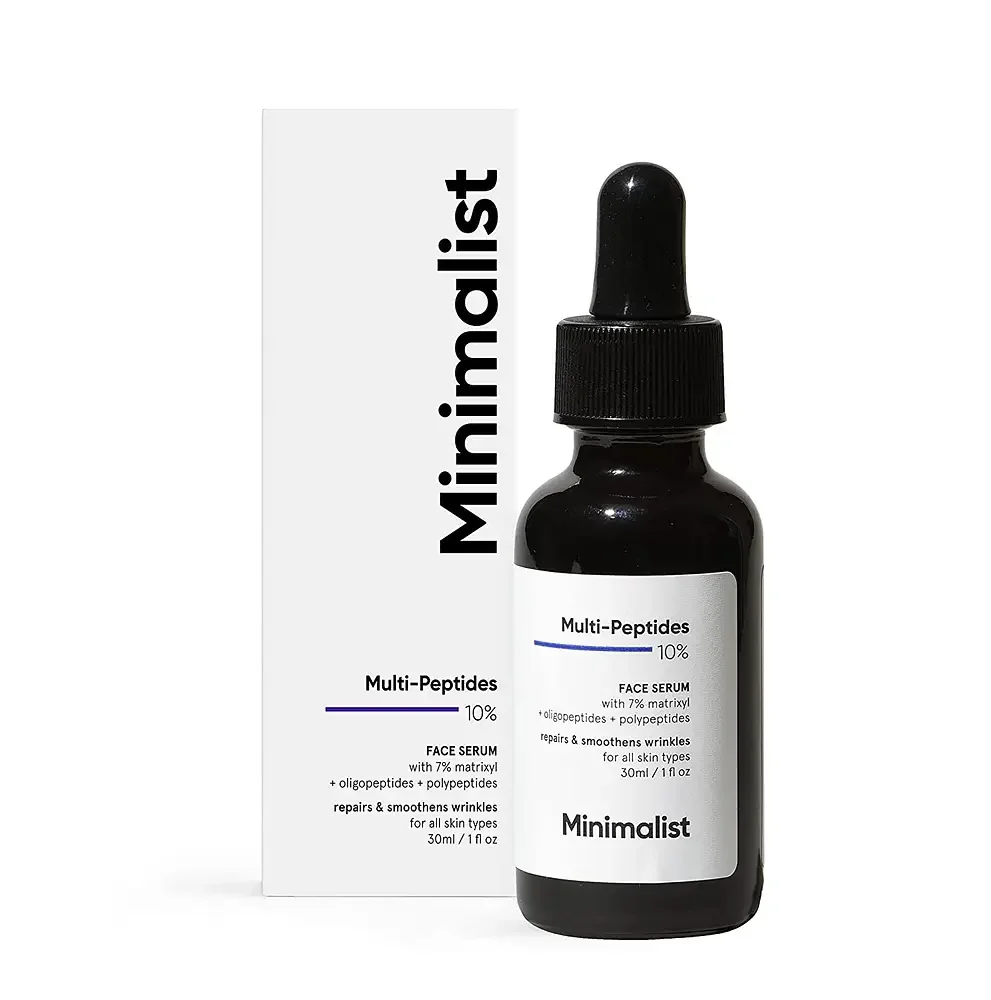
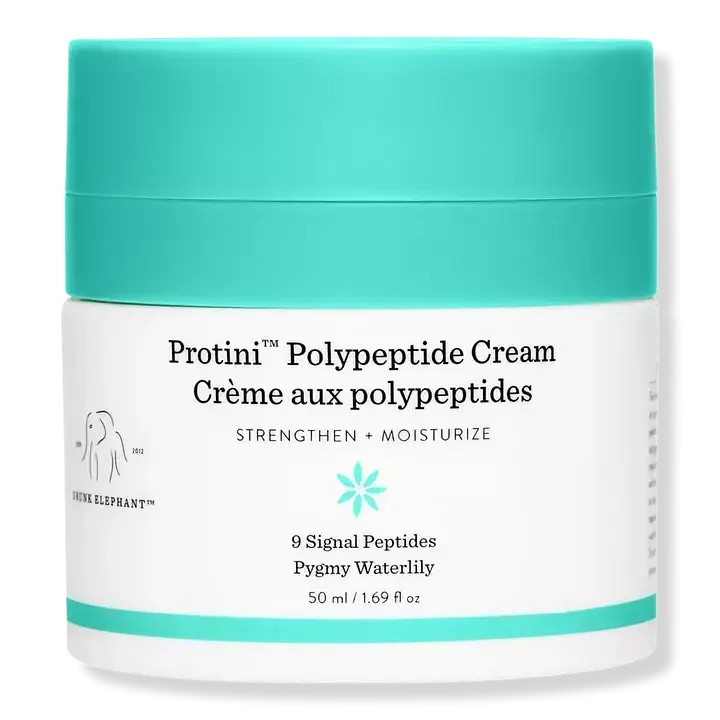
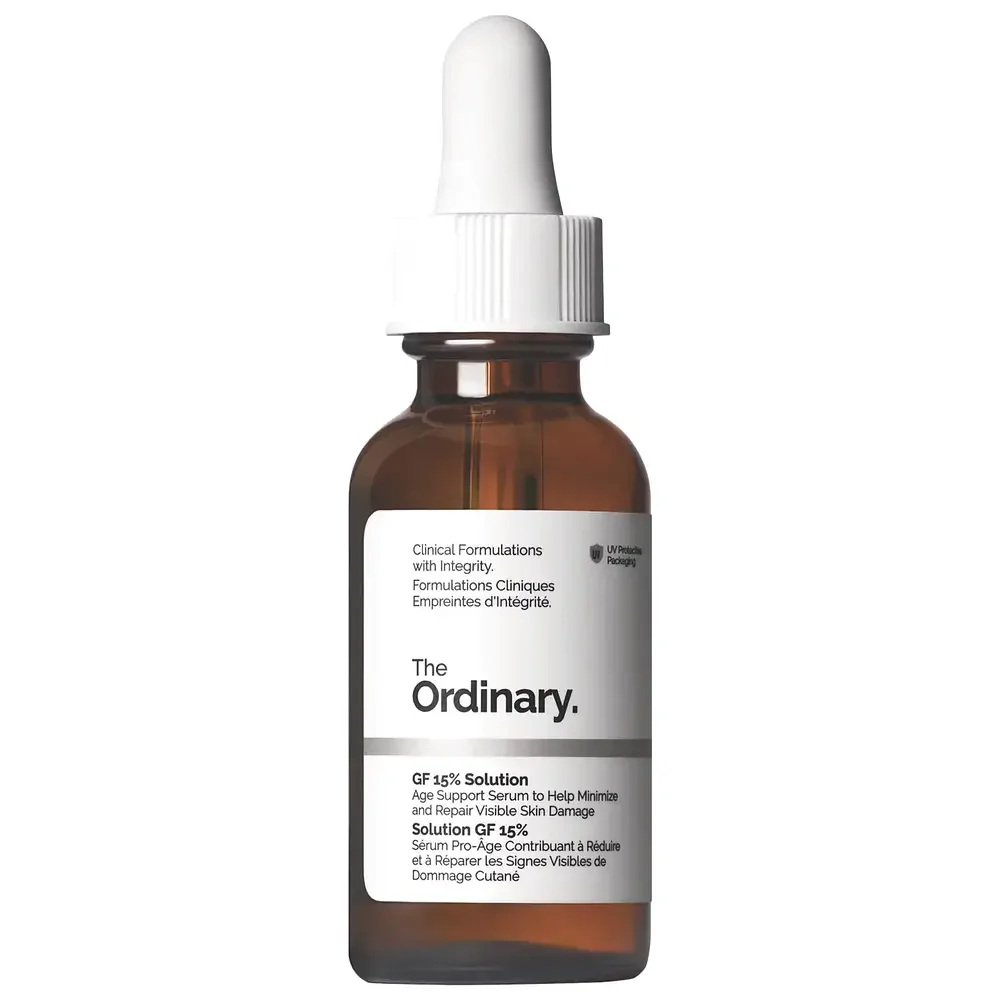

Always scan the actual label before use — formulations change.
What is EGF?
Epidermal Growth Factor (EGF) is a natural signalling protein first described by Stanley Cohen in the 1960s — work that earned a Nobel Prize in 1986. Your body makes EGF, and it's central to wound healing, cell proliferation and skin regeneration: it binds EGF receptors on skin cells and prompts them to divide, speeding turnover of damaged or aging skin.
Cosmetic EGF is usually listed as sh-Oligopeptide-1 (synthetic human oligopeptide-1), made by recombinant biotechnology in yeast or bacteria to produce a bioidentical protein. It became a famous "repair" ingredient in Korean skincare and is reported to support wound healing, reduce scar formation, stimulate collagen and soften fine lines with consistent use.
Why it's promising but caveated
EGF has a generally good topical safety profile at cosmetic concentrations, with rare contact dermatitis and no sun sensitivity. But it's the one peptide-category ingredient on this site that comes with real caveats worth stating plainly:
- Cell-proliferation concern — because EGF tells cells to divide, caution is advised for anyone with a history of skin cancer or precancerous lesions; check with a dermatologist first.
- Pregnancy — safety not established; most dermatologists suggest avoiding it during pregnancy/breastfeeding.
- Stability — a delicate protein; low-quality formulas may contain denatured (inactive) EGF, and premium ones may need refrigeration.
- Penetration debate — it's a large molecule, and how much intact, active EGF reaches its receptors through normal skin is genuinely contested.
EGF is exciting and Nobel-pedigreed, but it's also the peptide here I'd hedge on. If you have any skin-cancer history, ask a dermatologist first. If you're pregnant, pick a better-characterised option. And know that both the delivery (does enough get in?) and the formulation (is the protein still active?) are real question marks. Promising — not a slam dunk.
Where it's found
- Post-procedure recovery serums — after microneedling, lasers, peels.
- Premium anti-aging serums and Korean repair ampoules.
- Scar / barrier-repair treatments.
On labels: sh-Oligopeptide-1, rh-EGF, Human Oligopeptide-1, or Epidermal Growth Factor.
How to use it well
- Apply at night to clean skin for best absorption.
- Store as directed — refrigerate if the product says so.
- Give it 8–12 weeks — regenerative effects are gradual.
- Avoid during pregnancy — safety not established.
- Consult a dermatologist if you have a skin-cancer history.
Safer / clearer alternatives
- For pregnancy/breastfeeding: Matrixyl and Argireline are clearer choices.
- For post-procedure recovery: copper peptides, centella, panthenol.
- For gentle anti-aging: Matrixyl 3000 — collagen support without the proliferation question.
- For wound healing: panthenol and allantoin — simpler and well established.
The bottom line
EGF is a Nobel-winning regenerative protein with genuine promise in repair and post-procedure care — but it's the one here that earns real caveats: caution with skin-cancer history, avoid in pregnancy, and mind formulation quality and the open question of how much actually penetrates. Use it informed, from a reputable formulation — or pick a better-characterised peptide if any of the caveats apply to you.
Was this article helpful?
One tap tells us what to write more of. No account needed.
Is this ingredient in your products?
Scan any cosmetic product to check for EGF (Epidermal Growth Factor) and 30+ other allergens instantly.