
Eugenol
The clove note in perfume and dentistry — a stronger fragrance sensitiser with a notable oral/lip and occupational angle
INCIEugenol
- Category
- Fragrance
- Risk level
- medium
- Why it's flagged
- EU-labelled fragrance allergen; a comparatively strong sensitiser, relevant in oral/lip products
- What it is
- The phenolic compound behind clove's spicy aroma; also in bay, cinnamon leaf, and nutmeg
- Relative risk
- A stronger sensitiser than the milder fragrance markers
- Cross-reactors
- Isoeugenol and balsam of Peru constituents
- EU labelling
- Must be named above 0.001% (leave-on) / 0.01% (rinse-off); on the expanded 2023 allergen list
Look for these names on ingredient lists
This ingredient may appear under any of these names:
Commonly found in
Possible reactions
- Contact dermatitis — redness and itching
- Burning on skin or gums
- Allergic cheilitis (sore, inflamed lips) from lip or oral products
- Gum/oral irritation from clove-based dental products
- Swelling at the contact site
Top picks without Eugenol
Highly rated products whose ingredient lists don't include Eugenol.
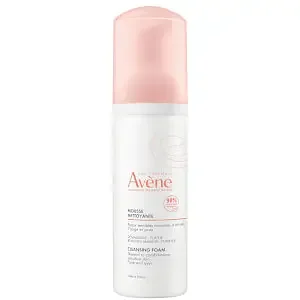
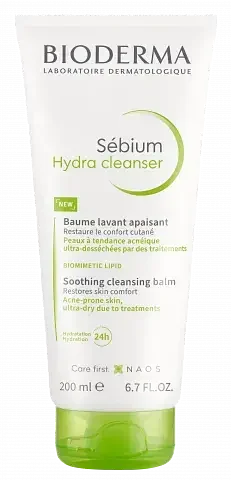
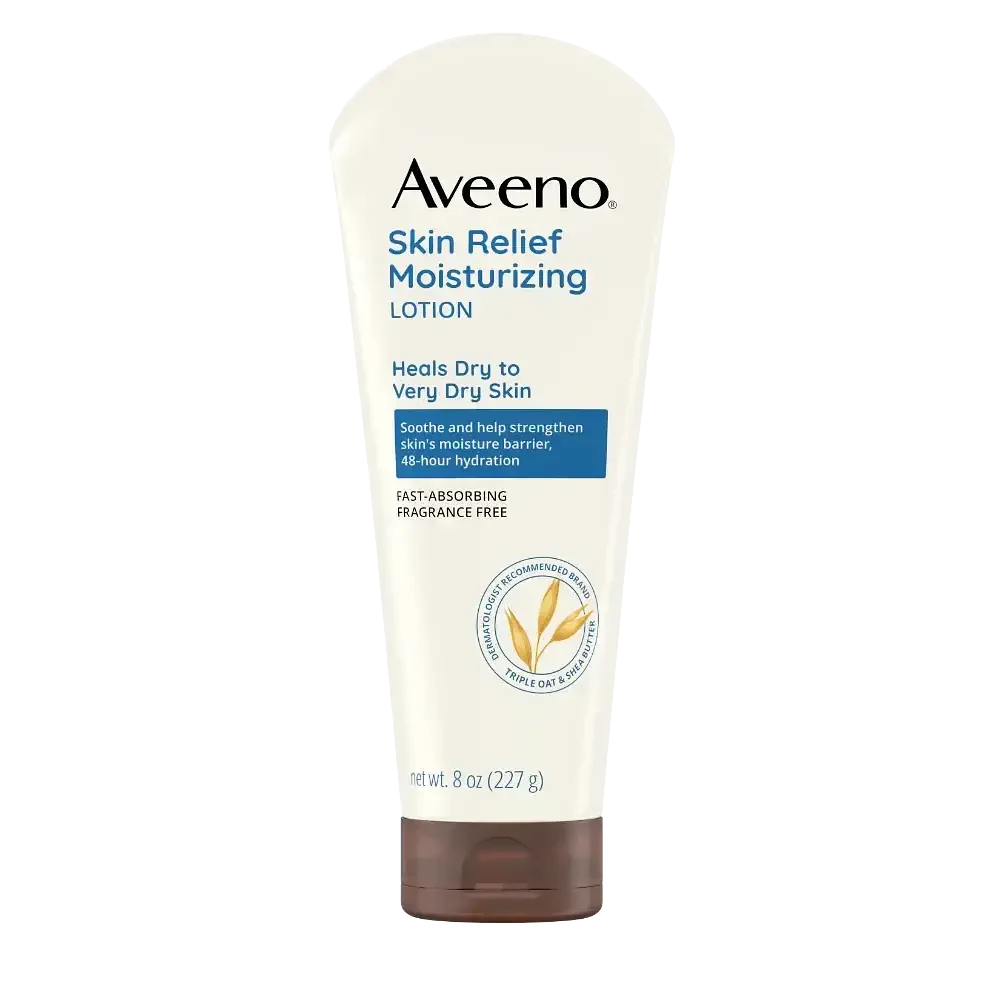
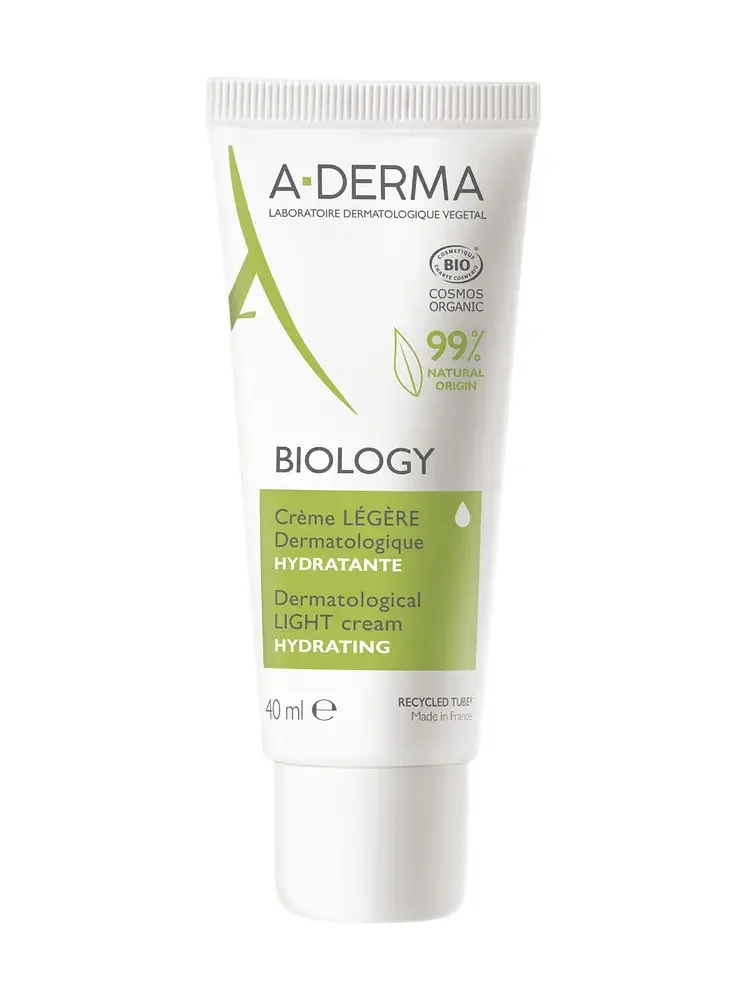
As an Amazon Associate, AllerNote earns from qualifying purchases.
Always scan the actual label before use — formulations change.
Scan a product for this concern
What is eugenol?
Eugenol is a phenolic compound responsible for clove's warm, spicy aroma — the main constituent of clove essential oil, and also present in bay, cinnamon leaf, and nutmeg. It's used in spicy/oriental perfumes, in lip and oral-care products, and — distinctively — in dentistry, where eugenol–zinc oxide materials have long been used in cements and temporary fillings for their antiseptic and mild analgesic effect.
Natural and familiar as it is, eugenol is a comparatively strong fragrance sensitiser and one of the EU-labelled fragrance allergens.
Why it causes reactions
Eugenol sensitises by haptenation — binding skin (or mucosal) proteins to form new antigens the immune system learns to attack, then flares on later contact. A few features make it stand out:
- Oral and lip relevance. Because it's used in toothpaste, mouthwash, clove remedies, and lip products, eugenol is a frequent cause of allergic cheilitis and gum/oral irritation — exposure sites many fragrance allergens don't reach.
- Occupational risk in dentistry. Dental professionals who handle eugenol materials regularly are a recognised at-risk group for hand dermatitis.
- Cross-reactivity. Eugenol-allergic people often react to isoeugenol and to balsam of Peru constituents, so it rarely travels alone.
Reaching for clove oil instead of "chemicals" doesn't help — clove oil is mostly eugenol. And using clove-oil toothache remedies repeatedly can both irritate gums and increase the odds of sensitisation. If clove products bother your mouth or lips, that's the signal to stop, not to switch to a more "natural" clove source.
How to spot and avoid it
- Read labels for Eugenol, Eugenia Caryophyllata (Clove) Oil, or Clove Extract.
- Check oral care — choose toothpaste/mouthwash flavoured with mint rather than clove/spice.
- Avoid spicy-oriental and clove-forward perfumes if sensitised.
- Tell your dentist so eugenol-free materials are used.
- Patch test lip and perioral products if you get recurrent cheilitis.
Safer alternatives
- Fragrance-free or non-spicy scents (vanilla, amber, wood notes verified eugenol-free).
- Mint-flavoured, eugenol-free oral care.
- Fragrance-free lip care for recurrent cheilitis.
The bottom line
Eugenol is the clove note that bridges perfume and dentistry — a stronger fragrance allergen with an unusual reach into the mouth and lips. Treat "natural clove" as eugenol, watch lip and oral products, and flag it to your dentist if you're allergic.
Was this article helpful?
One tap tells us what to write more of. No account needed.
Is this ingredient in your products?
Scan any cosmetic product to check for Eugenol and 30+ other allergens instantly.
References & further reading
- Eugenol and isoeugenol contact allergy — overview DermNet
- Eugenol contact allergy — review PubMed / Contact Dermatitis
- CosIng / Regulation (EU) 2023/1545 (labelled fragrance allergens) EUR-Lex