
Fragrance (Parfum)
The #1 cause of cosmetic allergy — a single label word that can stand in for dozens of undisclosed scent chemicals
INCIParfum
- Category
- Fragrance
- Risk level
- medium
- Why it's flagged
- The most common cause of cosmetic allergic contact dermatitis — an umbrella term that can hide dozens of individual scent chemicals
- Prevalence
- Present in an estimated 50–70% of cosmetic and personal-care products
- Hidden complexity
- A single "Parfum" can be a blend of dozens to a few hundred individual chemicals
- EU labelling (2023 update)
- Regulation (EU) 2023/1545 expanded the individually-labelled fragrance allergens from ~26 to roughly 80, phasing in 2026–2028
- Patch-test rank
- Fragrance mix I/II and balsam of Peru are consistently among the top positives in European and North American patch-test data
Look for these names on ingredient lists
This ingredient may appear under any of these names:
Commonly found in
Possible reactions
- Itchy rash or redness (allergic contact dermatitis)
- Eczema flare-ups, often on the face, eyelids, or neck
- Stinging or burning, especially around the eyes and mouth
- Hives or swelling (less common, more immediate)
- Headache or airway irritation in some people
Top picks without Fragrance (Parfum)
Highly rated products whose ingredient lists don't include Fragrance (Parfum).
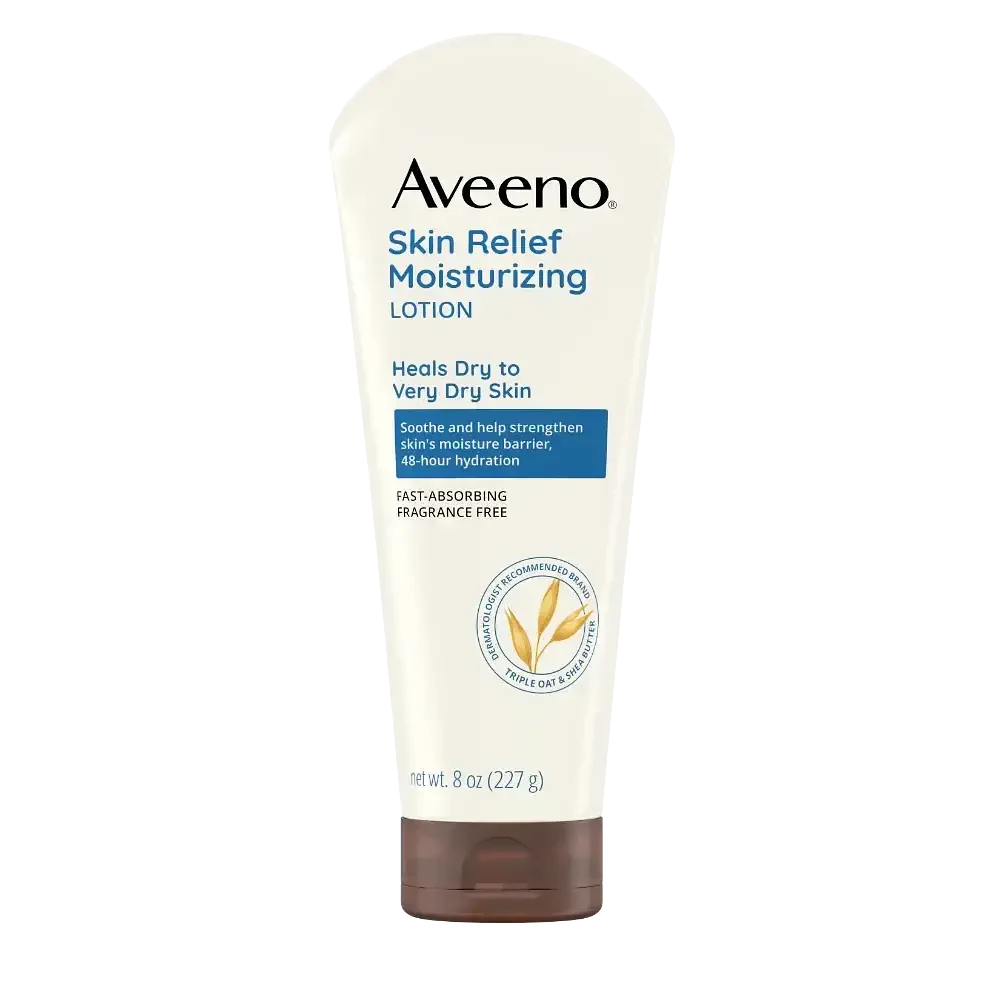
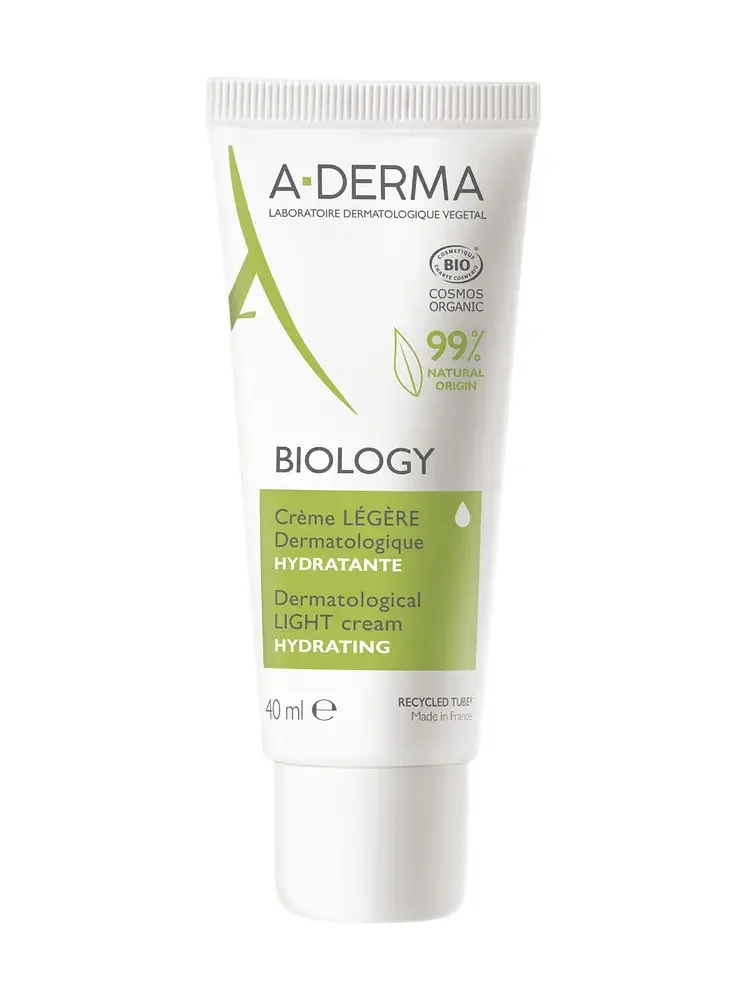
As an Amazon Associate, AllerNote earns from qualifying purchases.
Always scan the actual label before use — formulations change.
Scan a product for this concern
What "Fragrance" actually means on a label
Fragrance — written as "Parfum" in the EU and much of the world — is not a single ingredient. It is a catch-all label for a scent blend, and that blend can legally contain anywhere from a handful to a few hundred individual chemicals. In most markets, manufacturers are allowed to declare the whole blend with one word because the exact recipe is treated as a trade secret.
That single word is the reason fragrance is such an awkward allergen. With almost any other ingredient, the label tells you what you are putting on your skin. With "Parfum," it tells you only that scent chemicals are present — not which ones, and not how much.
Why fragrance is the most common cosmetic allergen
Across European and North American patch-test clinics, fragrance markers — fragrance mix I, fragrance mix II, and balsam of Peru — are consistently among the most frequent positive reactions. A few practical reasons sit behind that ranking:
- It is nearly everywhere. Fragrance appears in an estimated 50–70% of cosmetic and personal-care products, so cumulative exposure is high even if you never buy perfume.
- Sensitisation builds quietly. Allergic contact dermatitis requires your immune system to "learn" an allergen first. You can use a product for years before a reaction appears — which makes the culprit genuinely hard to spot.
- Oxidation makes it worse. Some fragrance molecules, especially terpenes like linalool and limonene, become more allergenic as they react with air. A bottle that was fine when new can become a problem months later.
- It is a mixture. Because "Parfum" is many chemicals at once, you only need to be allergic to one of them to react to the whole product.
The 2023 EU labelling change you should know about
For years, the EU required that 26 specific fragrance allergens be named individually on the label once they exceeded a small concentration. You will still see "the 26 allergens" repeated all over the internet — but that number is now out of date.
Under Commission Regulation (EU) 2023/1545, the list of individually-labelled fragrance allergens was expanded to roughly 80 substances. New products are expected to carry the expanded labelling from 2026, with existing stock allowed to sell through to 2028. The practical effect for sensitive shoppers is good news: over the next couple of years, far more fragrance allergens will be spelled out by name on EU labels instead of being buried inside the word "Parfum."
The thresholds are unchanged: an allergen must be listed once it exceeds 0.001% in a leave-on product (like a moisturiser) or 0.01% in a rinse-off product (like a shampoo).
"Fragrance-free" vs "unscented" vs "no added fragrance"
These phrases are not interchangeable, and the difference matters if you are allergic:
| Claim | What it usually means | Safe for fragrance allergy? |
|---|---|---|
| Fragrance-free | No fragrance chemicals added for scent | Usually yes — but still read the list |
| Unscented | May contain masking fragrance to hide other smells | Not reliable |
| No synthetic fragrance | May still contain essential oils (natural fragrance) | Often no |
| Naturally scented / essential oils | Scented with plant extracts that contain allergens | Frequently no |
The takeaway: treat the marketing line on the front as a hint, never as proof. The ingredient list on the back is what counts.
The product that first taught me this was a "gentle, unscented" moisturiser — which still listed Parfum three lines down. That gap between the front-of-pack claim and the actual ingredient list is exactly why AllerNote checks the full list against your profile, synonyms and all, instead of trusting the label's adjective. — Snehal
How to find fragrance on an ingredient list
Look for any of these terms anywhere in the list — they all indicate added scent chemicals:
- Parfum, Fragrance, Aroma, Perfume, Flavor
- "Natural fragrance", "essential oil blend", "aromatherapy blend"
- Named fragrance allergens that may be listed separately, such as Linalool, Limonene, Citronellol, Geraniol, Eugenol, Coumarin, Cinnamal, and Benzyl Salicylate
Each of those named allergens has its own page in our ingredient encyclopedia, because you can be allergic to one of them without reacting to the others.
Where fragrance hides even if you avoid perfume
People often strip perfume from their routine and keep reacting, because fragrance is doing the most damage somewhere less obvious:
- Shampoo and conditioner run down onto the face, eyelids, ears, and neck.
- Body lotion covers a large surface area and stays on for hours.
- Lip balm is reapplied constantly and sits right on a sensitive zone.
- Deodorant is applied to warm, occluded skin.
- Laundry detergent and fabric softener leave fragrance in everything your skin touches all day.
If facial or neck dermatitis keeps returning despite a clean skincare routine, haircare and laundry are the usual hidden sources.
A practical fragrance-reset plan
If you suspect fragrance is a trigger, the most useful move is to lower the overall fragrance load and watch what happens, rather than swapping one product at random:
- Replace your moisturiser, cleanser, shampoo, and deodorant with genuinely fragrance-free versions.
- Pause perfume, body mist, and essential-oil blends for two to three weeks.
- Keep your laundry detergent and softener constant during the test (ideally fragrance-free too).
- Reintroduce one fragranced product at a time, only after your skin has settled.
This works because it reduces noise. The goal is to learn whether fragrance load is part of your picture before you spend money replacing everything.
When to see a dermatologist
Patch testing becomes especially worthwhile when you react to several unrelated products, when the rash favours the eyelids, neck, or around the mouth, or when you want to know which fragrance components affect you. A dermatologist can test fragrance mix I and II, balsam of Peru, and specific hydroperoxides, so you learn whether you must avoid all fragrance or only a narrower subgroup.
Safer choices if fragrance is your trigger
- Products explicitly labelled "fragrance-free", with the ingredient list confirmed.
- Shorter ingredient lists — fewer ingredients, fewer chances for a hidden allergen.
- No essential oils, even in "natural" or "clean" products.
- Plain options for high-contact items: bland fragrance-free moisturiser, petrolatum-based lip care, fragrance-free detergent.
Fragrance avoidance works best as exposure management, not perfectionism. Small reductions across the products that touch your skin most often usually matter more than dramatic changes to something you only use occasionally.
Was this article helpful?
One tap tells us what to write more of. No account needed.
Is this ingredient in your products?
Scan any cosmetic product to check for Fragrance (Parfum) and 30+ other allergens instantly.
References & further reading
- Fragrance allergens labelling — overview European Commission
- Commission Regulation (EU) 2023/1545 (expanded fragrance allergen list) EUR-Lex
- CosIng — Annex III (restricted substances / labelled allergens) European Commission
- Contact allergy to fragrances: clinical and regulatory trends PMC / Contact Dermatitis