“Natural” is not a safety label
“Natural”, “clean”, and “chemical-free” are mostly marketing terms. They don’t guarantee a product is gentle, non-irritating, or non-allergenic.
The key idea:
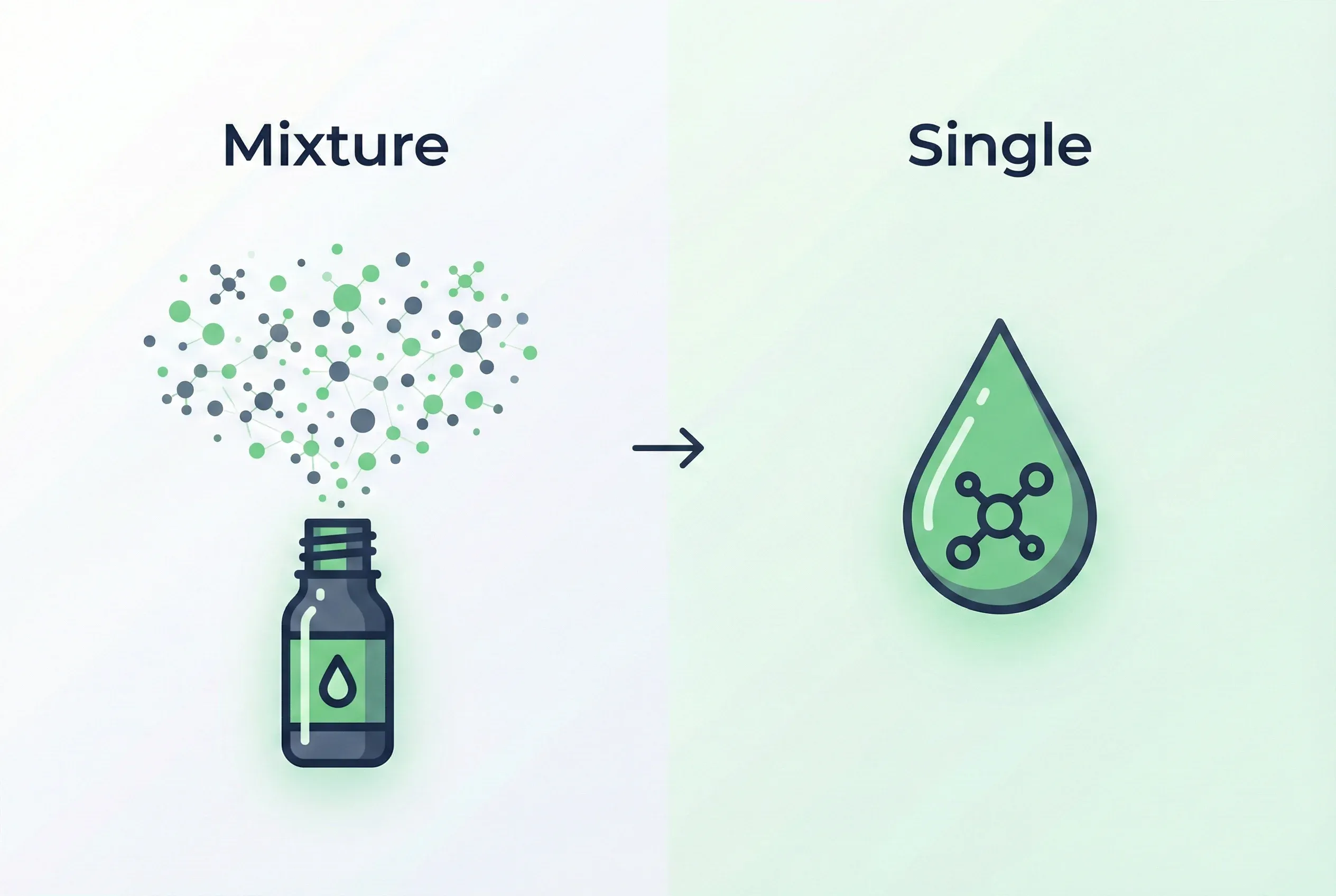
- Many natural ingredients are complex mixtures
- Complexity increases the chance that something in the mixture can trigger sensitive skin
Essential oils: concentrated mixtures
Essential oils are highly concentrated extracts and can contain dozens to hundreds of compounds. Two consequences:
- They can cause irritation (especially at higher concentrations).
- They can cause true allergic contact dermatitis over time (sensitization).
If it smells strongly “herbal” or “floral”, the product likely contains enough fragrance/essential oils to be a risk for sensitive skin.
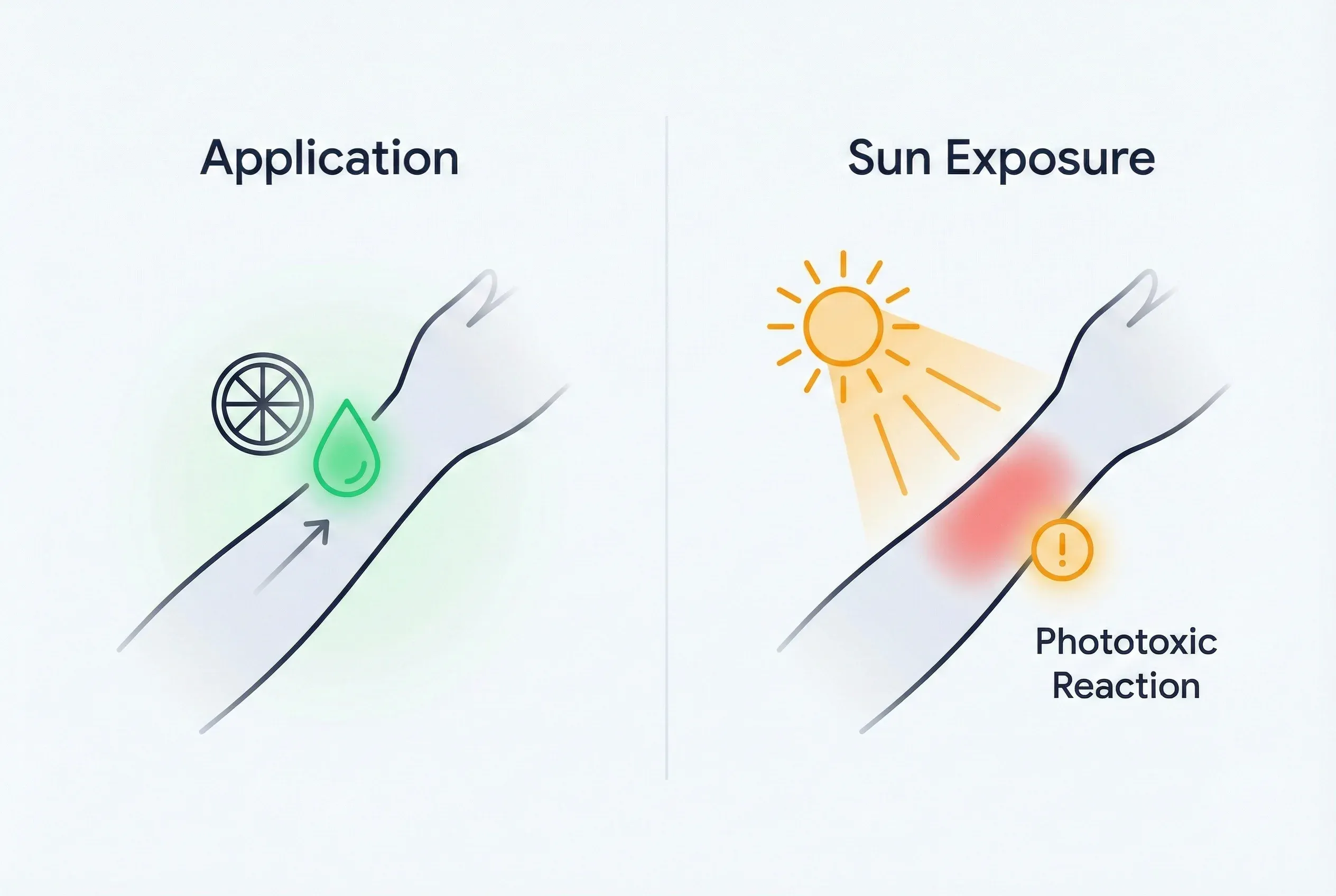
Phototoxicity: citrus oils + sunlight
Some citrus oils (like bergamot, lime, lemon) can be phototoxic: on sun exposure, they can cause a burn-like reaction on skin.
If you use products with citrus oils during the day (especially on face/neck), be cautious with sun exposure. Phototoxic reactions are not rare.
The more botanicals you stack, the harder it is to predict
A lot of "natural" and herbal products lean into a long list of plant ingredients — neem, tulsi, sandalwood, multi-herb blends — as a selling point. The trouble is that each botanical is itself a mixture of many compounds, so a ten-plant formula is dozens of potential triggers in one bottle. These blends can be soothing for some people and very reactive for others, and when something goes wrong it's nearly impossible to tell which plant did it.
For reactive skin the safest approach is the same regardless of how "natural" the marketing is:
- fewer ingredients
- fragrance-free where possible
- patch test before full-face use
That way, if you do react, you've got a fighting chance of identifying the culprit instead of facing a wall of botanicals.
What to do if you keep reacting to “natural” products
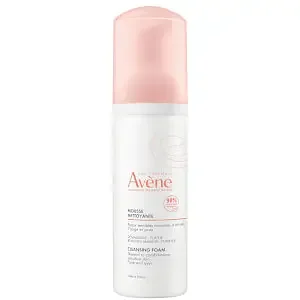
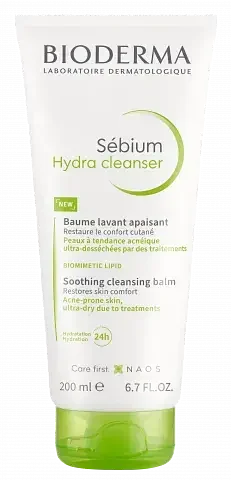
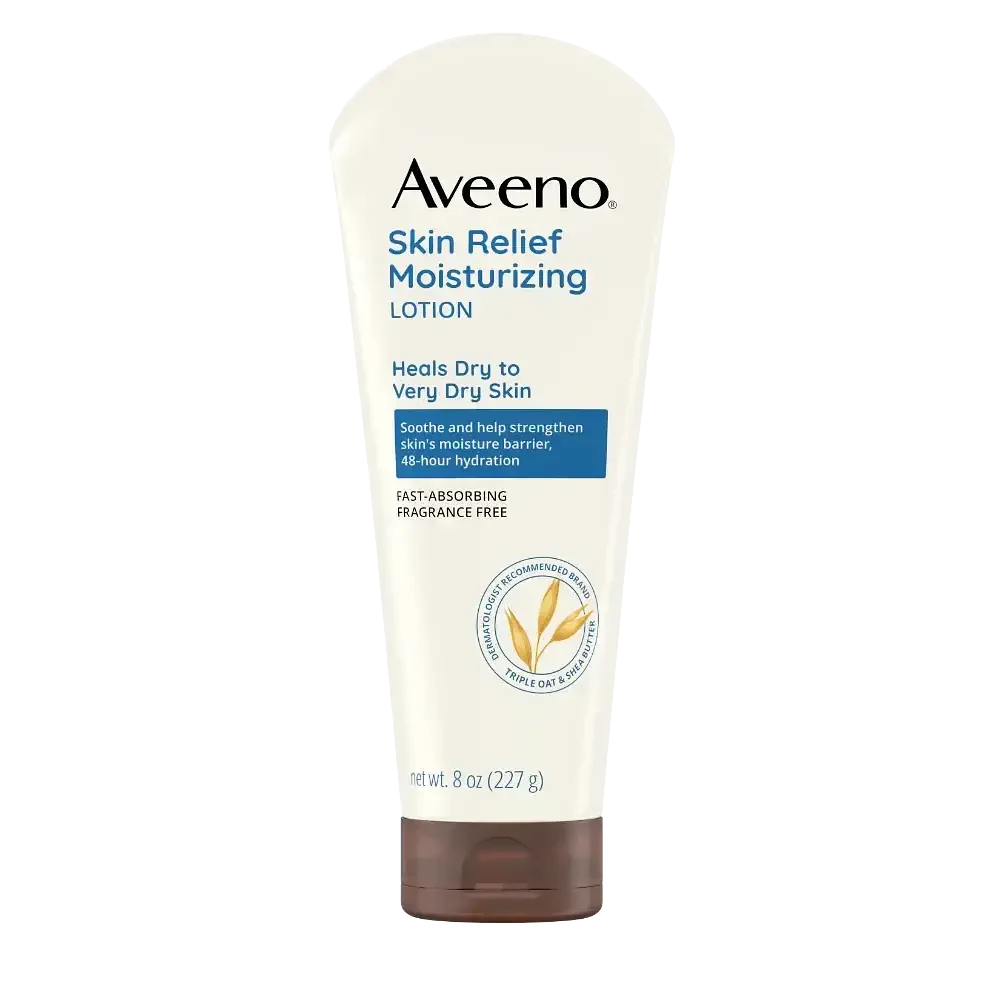
- Switch to a fragrance-free baseline routine for 2–3 weeks (cleanser + moisturizer + sunscreen).
- Add one new product at a time.
- Patch test on inner arm before applying to face.
- If reactions continue, consider patch testing and bring your product list.
Three different ways "natural" products can hurt skin
People often bundle all bad reactions into one category, but natural products can cause problems in three very different ways:
1. Irritant reactions
These happen when an ingredient is simply too strong for your skin barrier. Peppermint oil, strong herbal extracts, alcohol-heavy toners, and rough scrubs fall into this group. The skin may burn or sting quickly.
2. Allergic contact dermatitis
This is an immune reaction. You may tolerate a botanical ingredient for months or years and then suddenly develop itching, redness, or eczema after repeated exposure. Fragrance-heavy plant oils are common culprits.
3. Phototoxic reactions
Some natural ingredients make skin more reactive to sunlight. Citrus oils are the classic example. The result can look like a chemical burn or a dark patch of post-inflammatory pigmentation after sun exposure.
Knowing which category fits your reaction helps you troubleshoot more intelligently.
Common "natural" ingredients that are not automatically gentle
A few examples come up repeatedly in sensitive-skin routines:
- Lavender oil: smells calming, but contains fragrance allergens such as linalool
- Tea tree oil: popular for acne, but irritating and increasingly recognized as a sensitizer
- Citrus oils: lemon, bergamot, and lime can be phototoxic
- Peppermint and eucalyptus: feel cooling, but often sting reactive skin
- Propolis and bee-derived ingredients: natural, but can trigger allergy in some users
- Neem, turmeric, sandalwood, and herbal blends: useful for some, reactive for others depending on concentration and full formulation
The pattern is the same: a familiar, plant-based ingredient can still be a meaningful trigger.
Why plant extracts are hard to predict
Single synthetic ingredients are often easier to evaluate because they have one standardized identity. Plant extracts are more variable:
- the species may be the same, but the extract can come from leaf, peel, flower, root, or seed
- extraction method changes what chemicals end up in the final product
- oxidation changes the allergen profile over time
- the same plant may be soothing in one formula and irritating in another because of concentration
This variability is one reason "contains botanicals" tells you almost nothing about tolerability.
How to judge a "natural" skincare product more intelligently
If a brand markets itself around herbs, Ayurveda, botanicals, or essential oils, ask these practical questions:
- Is the product fragrance-free or strongly scented?
- Are citrus oils used in a daytime product?
- Does the ingredient list contain many extracts plus fragrance plus essential oils?
- Is the formula designed for the face, or is it really more of a spa/aromatherapy product?
- Does the brand tell you the actual INCI names, or only the marketing story?
The more transparent the ingredient list, the easier it is to trust the product.
When natural ingredients may still be useful
This article is not arguing that all plant ingredients are bad. Many natural ingredients are genuinely helpful in well-designed formulas. The better rule is:
- prefer well-formulated over "all natural"
- prefer fragrance-free over strongly scented
- prefer fewer variables over 25-ingredient botanical blends
If you have resilient skin, a natural formula may work beautifully. If you have eczema, rosacea, or repeated rashes, simplicity is usually safer than romance. And if you have a diagnosed food allergy, check whether food allergens are hiding in your skincare — botanical extracts can overlap with foods like nuts, oats, and soy.
A better shortlist for reactive skin
If you are overwhelmed, use this bias: fragrance-free moisturizers, bland cleansers, zinc-based sunscreen, and fewer botanicals. You can always add interesting ingredients later. It is much harder to troubleshoot a reaction once five plant extracts and three essential oils are already in the routine.
Bottom line
Natural skincare is safest when it is specific, restrained, and well formulated. It becomes risky when the brand treats "more plants" as a substitute for evidence or barrier-friendly design — the same caution applies to any reassuring label, including "hypoallergenic," which has no agreed legal standard.
A quick natural-product audit
When a product markets itself as botanical or herbal, ask:
- Does it have one featured plant ingredient or ten?
- Is it strongly scented?
- Is it meant for daytime use even though it contains citrus oils?
- Would I still want this product if the brand stopped saying "natural"?
If the answer to the last question is no, the marketing may be stronger than the formula.
Another good question is: would a dermatologist describe this as a barrier-friendly routine, or as a fragranced wellness product? The answer is often clarifying.
That distinction is useful because many products are not bad in absolute terms - they are simply a poor fit for skin that is already reactive, eczema-prone, or patch-test positive.
When you frame the decision that way, "natural" becomes one product detail among many instead of the whole story.
That usually leads to better questions, better product comparisons, and much less confusion when a formula disappoints your skin.
And once you stop treating "natural" as a synonym for "safe," your shopping decisions usually become much clearer.
That clarity is valuable because it keeps you focused on tolerance, concentration, and formulation quality instead of aesthetic storytelling.
That shift alone can save a lot of money and irritation. It usually leads to fewer regrets, too.
FAQ
Are all essential oils unsafe?
No, but they are not automatically gentle and they are rarely necessary in a skincare routine aimed at sensitive skin. If a product works without them, that is usually the lower-risk option.
Is aloe vera also risky because it is natural?
Aloe is often well tolerated, but even soothing ingredients can irritate someone when the formula is heavily fragranced, preserved aggressively, or combined with many other extracts.
Should I stop all botanical products at once?
If your skin is flaring, a short reset to a very simple fragrance-free routine is often useful. Once the skin is calm, you can test botanicals one at a time.

The Cosmetic Allergen Cheat Sheets
The allergens behind most reactions — and the names they hide under.