
Glycolic Acid
The smallest, deepest-penetrating AHA — the most effective exfoliant for texture and tone, and the most likely to over-irritate
INCIGlycolic Acid
- Category
- Exfoliant
- Risk level
- medium
- Smallest AHA
- Its tiny molecule penetrates deepest of any AHA — more effective, but also more irritating
- Reaction type
- Mainly irritation (dose- and pH-dependent); true allergy is less common
- Concentration
- 5% is gentle, 10% active, 20%+ professional-peel territory
- pH-dependent
- Works at pH ~3–4; higher-pH "buffered" formulas are gentler but weaker
Look for these names on ingredient lists
This ingredient may appear under any of these names:
Commonly found in
Possible reactions
- Stinging or burning on application
- Redness and mild peeling
- Increased sun sensitivity
- Post-inflammatory hyperpigmentation on melanin-rich skin if overused
- Dryness and tightness
Top picks without Glycolic Acid
Highly rated products whose ingredient lists don't include Glycolic Acid.
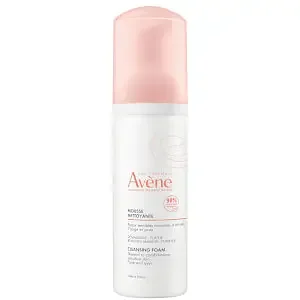
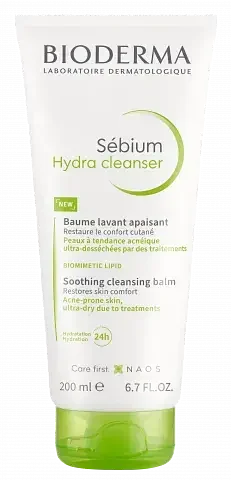
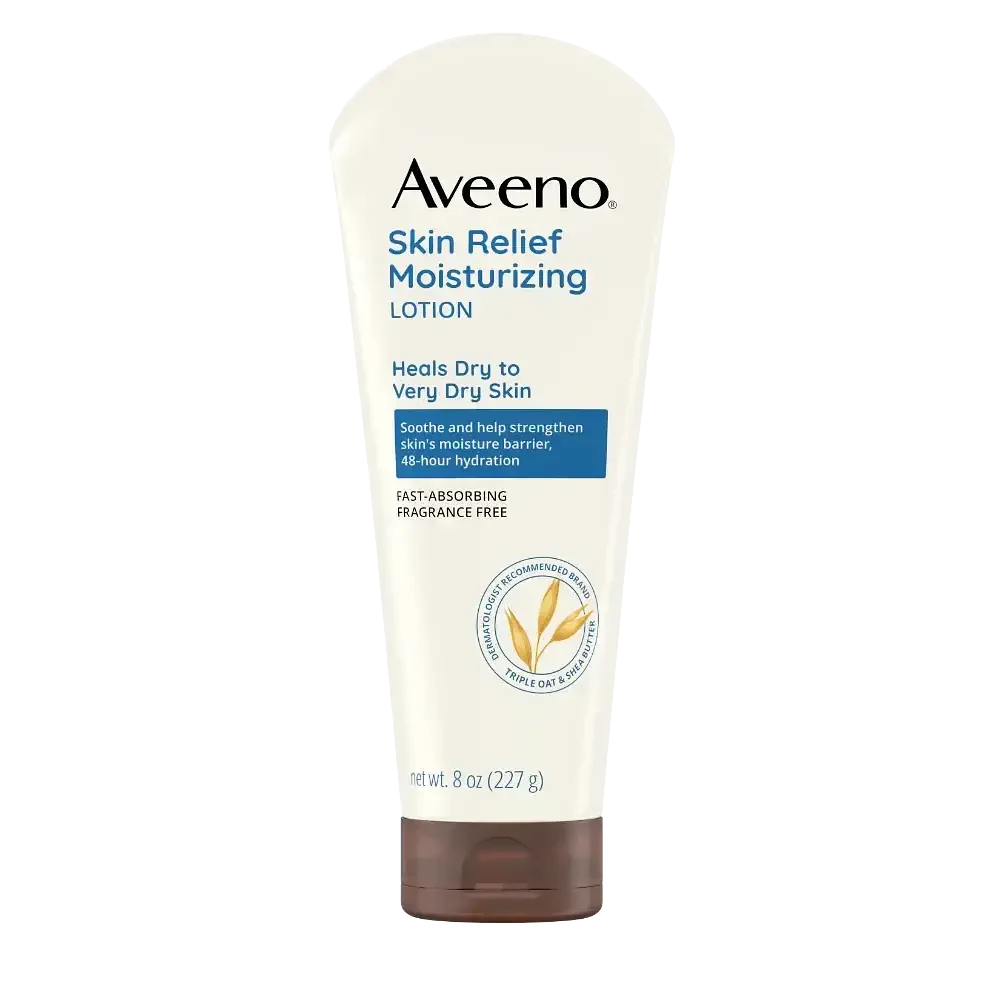
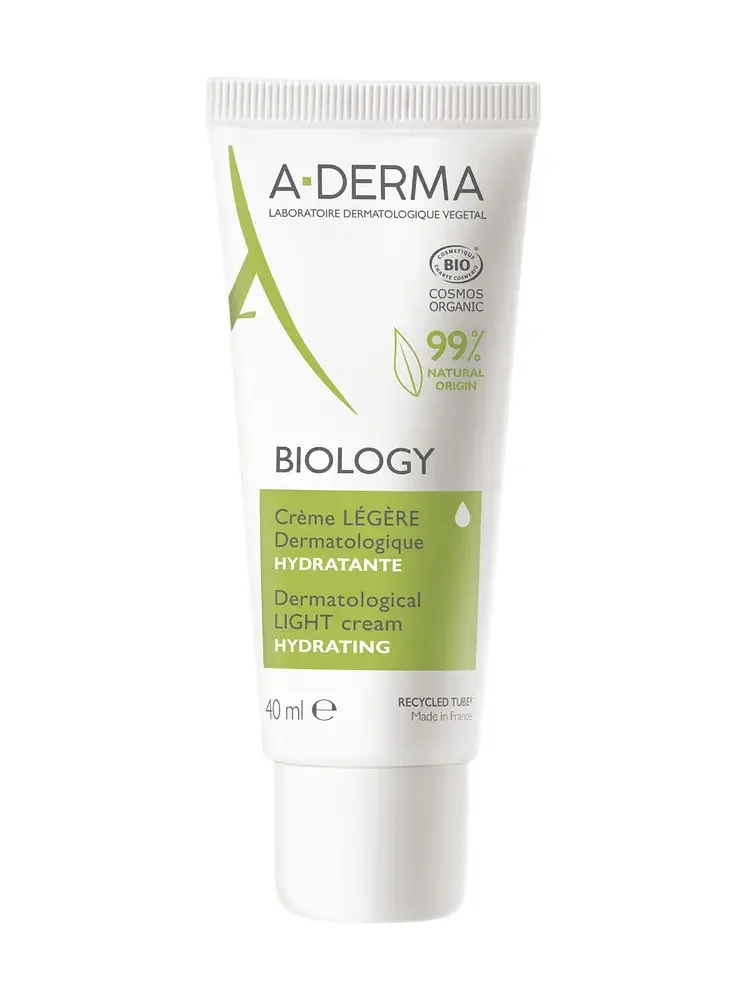
As an Amazon Associate, AllerNote earns from qualifying purchases.
Always scan the actual label before use — formulations change.
What is glycolic acid?
Glycolic acid is the smallest member of the alpha hydroxy acid (AHA) family, derived commercially from sugarcane. Its tiny molecular size lets it penetrate the stratum corneum more easily than any other AHA — which makes it simultaneously the most effective and the most irritating exfoliant in the category. It works by loosening the bonds between dead surface cells so they shed evenly, revealing fresher, brighter skin.
The evidence base is large: regular use at 5–10% improves texture, fine lines, tone, acne, and pigmentation, and professional 20–70% peels are a standard in-office treatment for photoaging and acne scarring.
Irritation is the main story
The same smallness that makes glycolic acid effective makes it irritating. It penetrates fast, so used too often, too strong, or on a compromised barrier it can overwhelm the skin — producing stinging, peeling, redness, and tightness. This is irritation, not allergy for most people, and it scales with strength and frequency; true allergic contact dermatitis is less common (and when a real rash appears, a co-formulated fragrance is a frequent culprit).
Two cautions matter most:
- Post-inflammatory hyperpigmentation (PIH) on melanin-rich skin. If glycolic acid irritates deeper skin tones, the inflammation can leave dark marks lasting months. Start low (5–7%), and treat lingering redness as a stop signal.
- Sun sensitivity. Glycolic acid makes skin notably more UV-vulnerable — daily SPF is essential, and it's the inflammation-plus-sun combination that creates the very dark spots you're trying to fade.
How to use it well
- Start at 5–7%, not 10% — build up only if comfortable for ~4 weeks.
- 2–3 times a week, not daily — unless your skin is clearly tolerant.
- Use at night — fits both its photosensitivity and skin's repair cycle.
- Daily SPF — non-negotiable with any AHA.
- Don't stack with retinol the same night — alternate.
Gentler alternatives
- Sensitive skin: lactic acid — larger, gentler, and hydrating; a good entry AHA.
- Very sensitive skin: mandelic acid — the largest AHA, slow-penetrating, well tolerated.
- Lowest irritation: polyhydroxy acids (PHA) like gluconolactone.
- Oily/acne skin: salicylic acid (BHA), which works inside the pore rather than just the surface.
The bottom line
Glycolic acid is the most powerful at-home AHA and, for most people, its downsides are predictable irritation and sun sensitivity rather than allergy — managed by going low-and-slow with daily sunscreen. On melanin-rich skin, restraint matters more, because over-doing it can leave the dark marks you were trying to clear.
Was this article helpful?
One tap tells us what to write more of. No account needed.
Is this ingredient in your products?
Scan any cosmetic product to check for Glycolic Acid and 30+ other allergens instantly.