
Hyaluronic Acid
The hydration workhorse your body already makes — one of the safest, least allergenic ingredients in skincare
INCISodium Hyaluronate
- Category
- Humectant
- Risk level
- low
- What it is
- A glycosaminoglycan your body already makes; in products it is usually the salt form, sodium hyaluronate
- Water capacity
- Can hold many times its weight in water (often quoted as up to ~1000x)
- Tolerability
- One of the safest, least allergenic skincare ingredients
- Molecular weight
- High-MW hydrates the surface; low-MW penetrates deeper — many serums blend several
Look for these names on ingredient lists
This ingredient may appear under any of these names:
Commonly found in
Possible reactions
- Tightness if used in dry air without sealing it in with a moisturiser
- Mild stinging on broken skin (formula pH, not the HA)
- Pilling under makeup if over-layered
- True allergic reactions are essentially undocumented
Top picks with Hyaluronic Acid
Highly rated products that feature Hyaluronic Acid in their ingredient list.
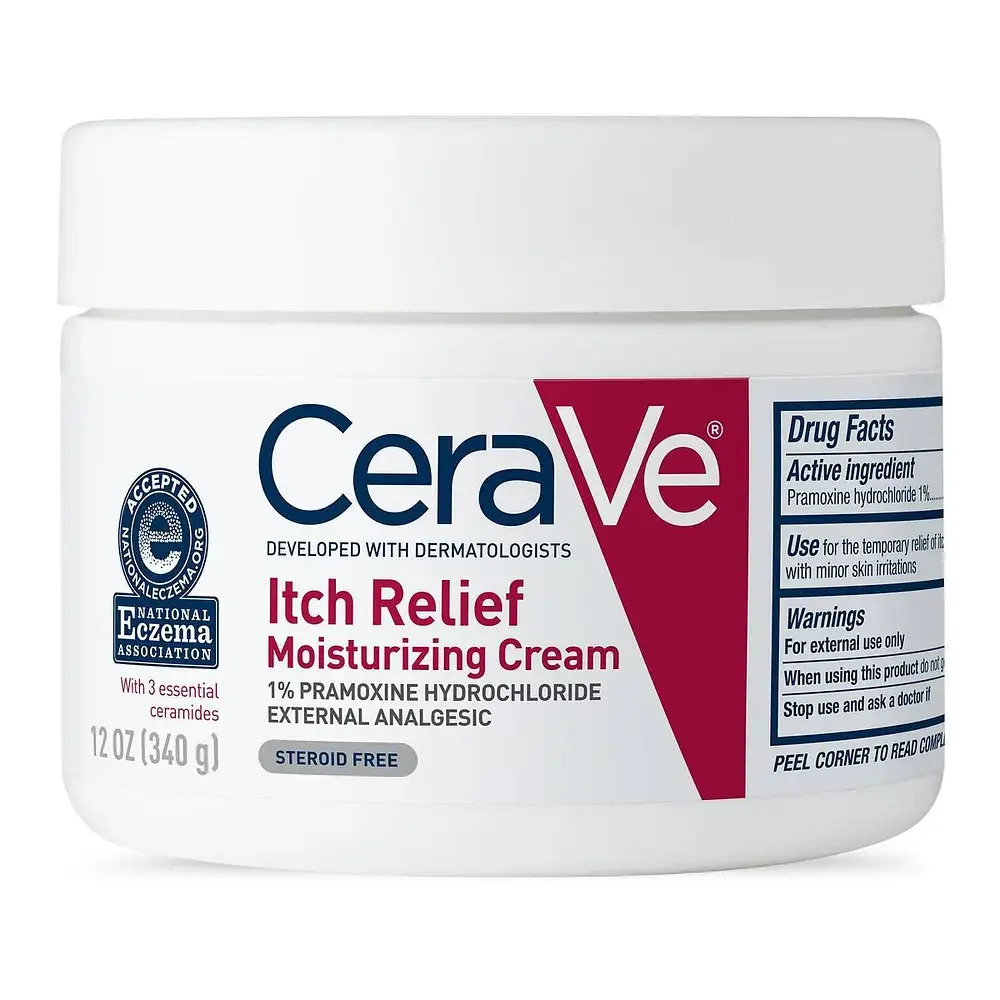
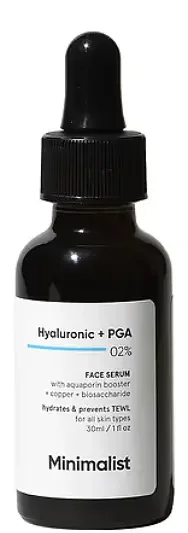
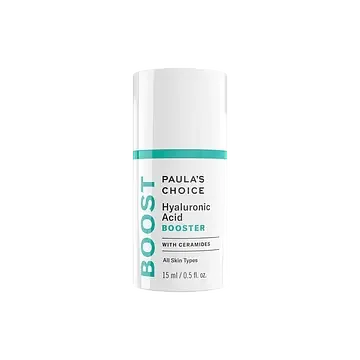
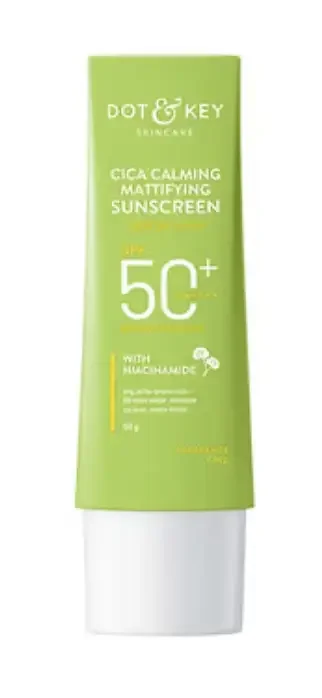
As an Amazon Associate, AllerNote earns from qualifying purchases.
Always scan the actual label before use — formulations change.
What is hyaluronic acid?
Hyaluronic acid (HA) is a glycosaminoglycan — a long sugar molecule — that occurs naturally in your skin, joints, and eyes. About half your body's HA lives in skin, cushioning cells and holding water. As a cosmetic ingredient it's a humectant: it draws water from the air and deeper skin layers into the surface, plumping the look of fine lines and giving a dewy finish.
You'll rarely see "hyaluronic acid" itself on a label — the form used is usually sodium hyaluronate, the salt form, which is more stable and absorbs better. Good serums often blend several molecular weights to hydrate at different depths.
Why it almost never causes reactions
For a site about allergens, HA is one of the easy ones: because your body already makes it, true allergy is essentially undocumented. It's consistently rated among the safest, gentlest skincare ingredients and is fine in pregnancy. The handful of complaints people report come from how it's used or formulated, not the molecule:
- Tightness in dry air. HA needs water to work; in a low-humidity room it can pull moisture from deeper skin and leave the surface tight. Apply on damp skin and seal with a moisturiser.
- Stinging on broken skin. Some HA serums sit at a slightly acidic pH that can sting compromised skin — a formula issue, not the HA.
- Pilling. Over-layered with silicones or thick SPF, it can roll up. Use less and pause between layers.
So if an HA product bothers you, the culprit is almost certainly a preservative, fragrance, or the base formula — exactly the kind of thing worth checking the full label for.
How to use it well
- Apply on damp skin — mist or pat on a hydrating toner first; the water is what HA grabs.
- Seal it in — always follow with a moisturiser, cream, or oil. HA alone is half a routine.
- Layer molecular weights — a multi-weight serum hydrates surface and deeper skin.
- Stack freely — HA plays nicely with retinol, vitamin C, AHAs, niacinamide, and peptides.
Alternatives
- Very dry climates: glycerin and panthenol are humectants that depend less on ambient humidity.
- Sensitive skin reacting to low-pH serums: sodium hyaluronate within a buffered moisturiser rather than a pure acidic serum.
- More water-holding: polyglutamic acid, a newer humectant.
- Fine lines specifically: peptides target collagen rather than just surface hydration.
The bottom line
Hyaluronic acid is the dependable, extremely low-risk hydrator — your body's own molecule, with allergy essentially a non-issue. The only trick is to use it on damp skin and seal it; if a product still bothers you, look to the preservative or fragrance, not the HA.
Was this article helpful?
One tap tells us what to write more of. No account needed.
Is this ingredient in your products?
Scan any cosmetic product to check for Hyaluronic Acid and 30+ other allergens instantly.