
Hydroquinone
The most effective skin-lightening ingredient ever developed — and the most controversial, now prescription-controlled in most of the world
INCIHydroquinone
- Category
- Active
- Risk level
- high
- Regulatory status
- EU: prescription-only (OTC banned 2001). US: OTC removed by the FDA in 2020 — now prescription.
- Most effective brightener
- Inhibits tyrosinase and (at higher doses) reduces melanocyte activity — faster than any gentle alternative
- Use in cycles
- Typically prescribed in 3–4 month cycles, not continuously, to limit ochronosis risk
- Ochronosis
- Paradoxical, sometimes permanent darkening — the signature risk of overuse
Look for these names on ingredient lists
This ingredient may appear under any of these names:
Commonly found in
Possible reactions
- Stinging, redness, and peeling
- Contact dermatitis in ~1–3% of users
- Increased sun sensitivity
- Ochronosis (paradoxical blue-black darkening) with long-term high-dose use
- Not recommended in pregnancy or breastfeeding
Top picks without Hydroquinone
Highly rated products whose ingredient lists don't include Hydroquinone.
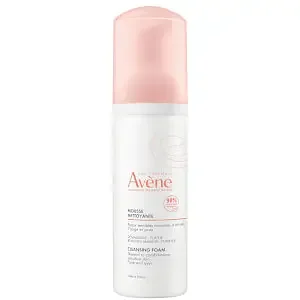
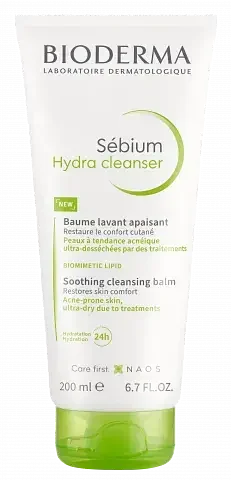
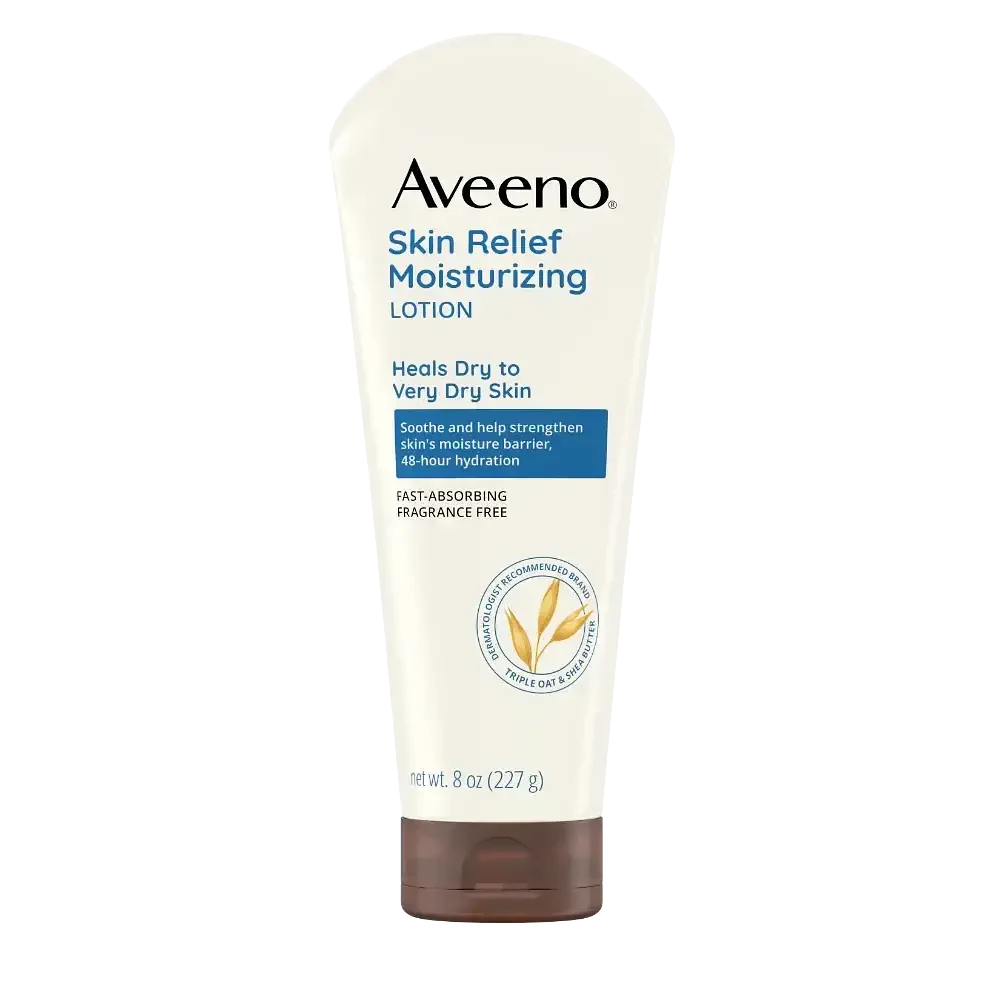
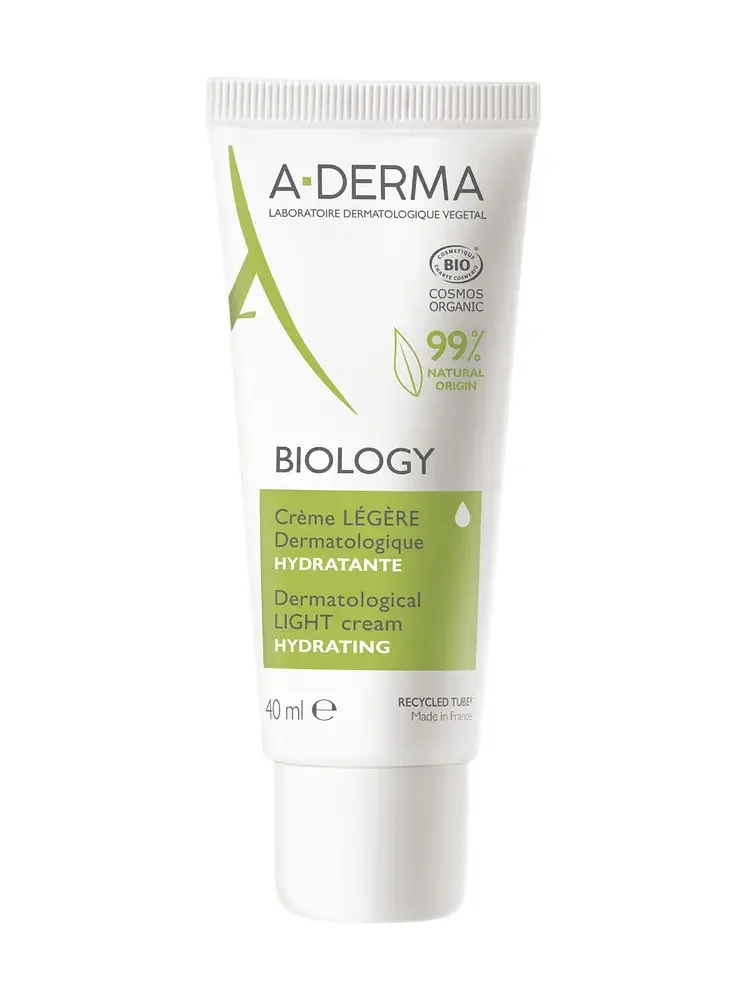
As an Amazon Associate, AllerNote earns from qualifying purchases.
Always scan the actual label before use — formulations change.
What is hydroquinone?
Hydroquinone is a phenolic compound and the most effective topical skin-lightener ever developed. It works two ways: it inhibits tyrosinase (the melanin-making enzyme) and, at higher doses, reduces the activity of melanocytes themselves. That dual action makes it far faster and more powerful than gentle alternatives like alpha arbutin or niacinamide.
It's been used in dermatology for over 50 years — mainly for melasma, post-inflammatory hyperpigmentation, and stubborn dark spots. The classic Kligman formula (hydroquinone + tretinoin + a mild steroid) remains one of the most effective prescription combinations for severe melasma. But its power comes with real risks, which is why most of the world now controls it.
Why it's controversial
- Ochronosis. The signature risk: paradoxical blue-black darkening from long-term, high-dose use — sometimes permanent, and more common at 4%+, with continuous use, and on melanin-rich skin.
- Irritation/sensitisation. Contact dermatitis rates (~1–3%) are higher than for gentle brighteners; stinging and redness are common early.
- Cancer concern (regulatory). The EU cited possible carcinogenicity (from oral hydroquinone in animal studies) when banning OTC use; topical cosmetic use hasn't been linked to human cancer, but the concern drove regulation.
- Pregnancy. Relatively high skin absorption and unestablished safety mean it's avoided in pregnancy/breastfeeding.
Regulatory status (why you need a prescription)
- EU: OTC hydroquinone in cosmetics banned in 2001 — prescription-only.
- US: the FDA removed OTC hydroquinone in 2020 — now prescription.
The restrictions exist because the harm comes overwhelmingly from unsupervised, prolonged use.
The biggest real-world danger isn't prescribed hydroquinone — it's unregulated, imported skin-lightening creams, which the US FDA and others have repeatedly found adulterated with mercury, undisclosed hydroquinone, or potent steroids. These cause ochronosis, steroid-thinned skin, rebound pigmentation, and (with mercury) systemic poisoning. If a "fairness"/whitening cream has no clear ingredient list or doctor behind it, don't use it.
Using it safely (under supervision)
- Only prescribed formulations — never unbranded whitening creams.
- Cycle it — typically 3–4 months on, then maintain with gentler agents.
- Daily SPF is essential — without it, hydroquinone is counterproductive.
- Stop at any darkening — the first sign of ochronosis.
- This is not a DIY ingredient — work with a dermatologist.
Safer alternatives
- Long-term brightening: alpha arbutin, tranexamic acid, niacinamide, azelaic acid.
- Pregnancy: azelaic acid.
- Stubborn melasma: topical/oral tranexamic acid plus strict sunscreen can rival hydroquinone with fewer risks.
The bottom line
Hydroquinone is the most powerful brightener there is — and the one where DIY overuse can cause permanent harm. Use it only as a dermatologist-prescribed, time-limited treatment, never via unregulated whitening creams, and lean on gentler agents for maintenance.
Was this article helpful?
One tap tells us what to write more of. No account needed.
Is this ingredient in your products?
Scan any cosmetic product to check for Hydroquinone and 30+ other allergens instantly.