
Kojic Acid
A fermentation-derived brightener for stubborn pigmentation — effective, but a more frequent sensitiser than the gentle options
INCIKojic Acid
- Category
- Active
- Risk level
- medium
- What it is
- A byproduct of Aspergillus fermentation (the mould used for sake, miso, soy sauce)
- Mechanism
- Binds copper in tyrosinase, shutting down melanin production
- EU limit
- Restricted to a maximum of 1% in leave-on cosmetics
- Relative risk
- More sensitising than alpha arbutin/niacinamide; sensitisation can build over months
Look for these names on ingredient lists
This ingredient may appear under any of these names:
Commonly found in
Possible reactions
- Contact dermatitis in ~0.5–2% of long-term users
- Stinging on application
- Mild redness and peeling
- Increased sun sensitivity
- Sensitisation that builds over months of use
Top picks without Kojic Acid
Highly rated products whose ingredient lists don't include Kojic Acid.
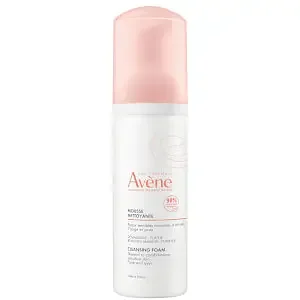
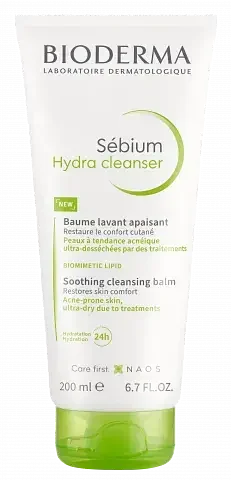
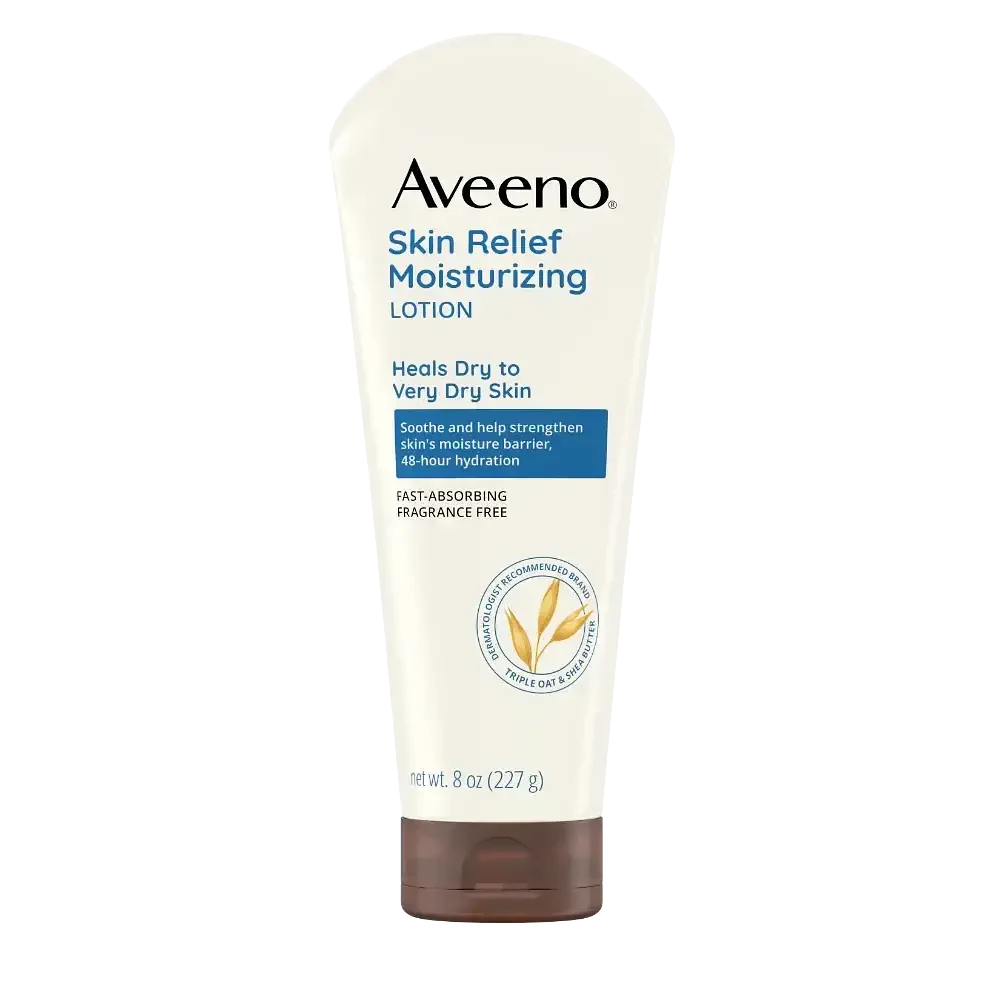
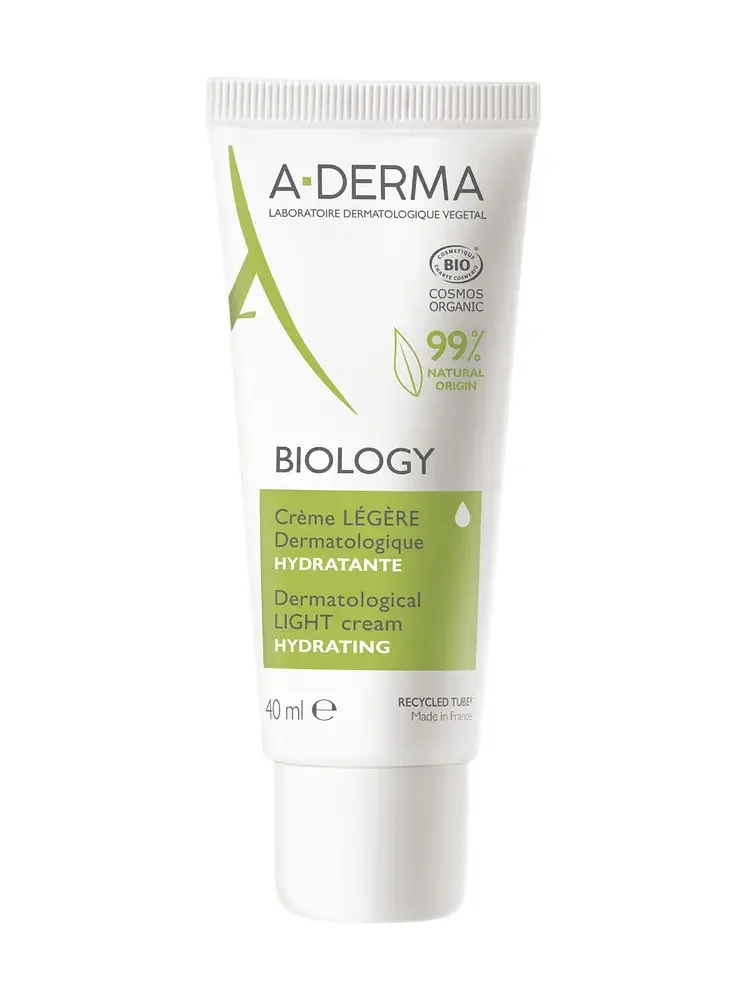
As an Amazon Associate, AllerNote earns from qualifying purchases.
Always scan the actual label before use — formulations change.
What is kojic acid?
Kojic acid is a natural byproduct of fungal fermentation — specifically from Aspergillus oryzae, the mould used to make sake, miso, and soy sauce. (Sake-brewery workers were historically noted for pale, even-toned hands, which led researchers to the compound.) As a skincare ingredient, it works by binding the copper that tyrosinase needs to make melanin: starve the enzyme of copper, and melanin production drops.
It's been a melasma and hyperpigmentation staple for decades, especially in Asian dermatology, and is often used in combination formulas alongside other brighteners. It's effective — but it's also one of the more sensitising brighteners, which shapes how to use it.
Why it can sensitise
Kojic acid is more irritating and more allergenic than gentle brighteners like alpha arbutin or niacinamide. Patch-test data put contact dermatitis at roughly 0.5–2% of long-term users — a minority, but meaningfully higher than most brighteners — and crucially, sensitisation tends to build over months rather than appearing on day one.
Typical issues:
- Stinging on application, especially on broken/exfoliated skin.
- Redness and peeling early on.
- Contact dermatitis with prolonged use, sometimes after a period of tolerance.
- Sun sensitivity — daily SPF is essential.
For these reasons the EU restricts kojic acid to 1% maximum in leave-on cosmetics; higher strengths are professional-only.
Because kojic acid's allergy risk is cumulative, a sensible pattern is a few months on, then a break — and reserving it for pigmentation that hasn't responded to gentler agents, rather than as a forever-product. If itching or persistent redness appears, that's the cue to stop, not push through.
How to use it well
- Start at 1%, every other day, building tolerance slowly.
- Apply at night — it increases sun sensitivity.
- Cycle it — a few months on, then a break, to limit cumulative sensitisation.
- Daily SPF — non-negotiable.
- Stop at itching/redness — sensitisation builds; don't power through.
Alternatives
- Gentler long-term: alpha arbutin, niacinamide, tranexamic acid.
- Pregnancy: azelaic acid, alpha arbutin (kojic acid's pregnancy safety is uncertain).
- Stubborn melasma: topical/oral tranexamic acid under a clinician.
- Sensitive skin: skip kojic acid entirely in favour of alpha arbutin.
The bottom line
Kojic acid is an effective brightener for stubborn pigmentation, but it sits higher on the irritation/allergy scale than the gentle options and sensitises over time. Cap it at 1%, cycle it, protect with sunscreen, and lean on alpha arbutin or tranexamic acid for everyday maintenance.
Was this article helpful?
One tap tells us what to write more of. No account needed.
Is this ingredient in your products?
Scan any cosmetic product to check for Kojic Acid and 30+ other allergens instantly.