
Licorice Root Extract
A gentle botanical that brightens pigmentation and calms redness at the same time — a rare two-in-one
INCIGlycyrrhiza Glabra Root Extract
- Category
- Botanical
- Risk level
- low
- Two actives, two jobs
- Glabridin inhibits tyrosinase (brightening); glycyrrhizin calms inflammation (anti-redness)
- Gentle by design
- One of the few brighteners mild enough for sensitive, rosacea-prone and post-acne skin
- Standardisation matters
- Cheap extracts can contain little active glabridin — premium formulas state "standardised to X% glabridin"
- Topical ≠ oral
- Oral licorice can raise blood pressure / lower potassium; those effects do NOT apply to topical cosmetic use
Look for these names on ingredient lists
This ingredient may appear under any of these names:
Commonly found in
Possible reactions
- Allergic reactions are very rare
- Occasional mild stinging at high concentrations
- Safe for sensitive, reactive skin
- No sun sensitivity; topically pregnancy-safe
Top picks with Licorice Root Extract
Highly rated products that feature Licorice Root Extract in their ingredient list.
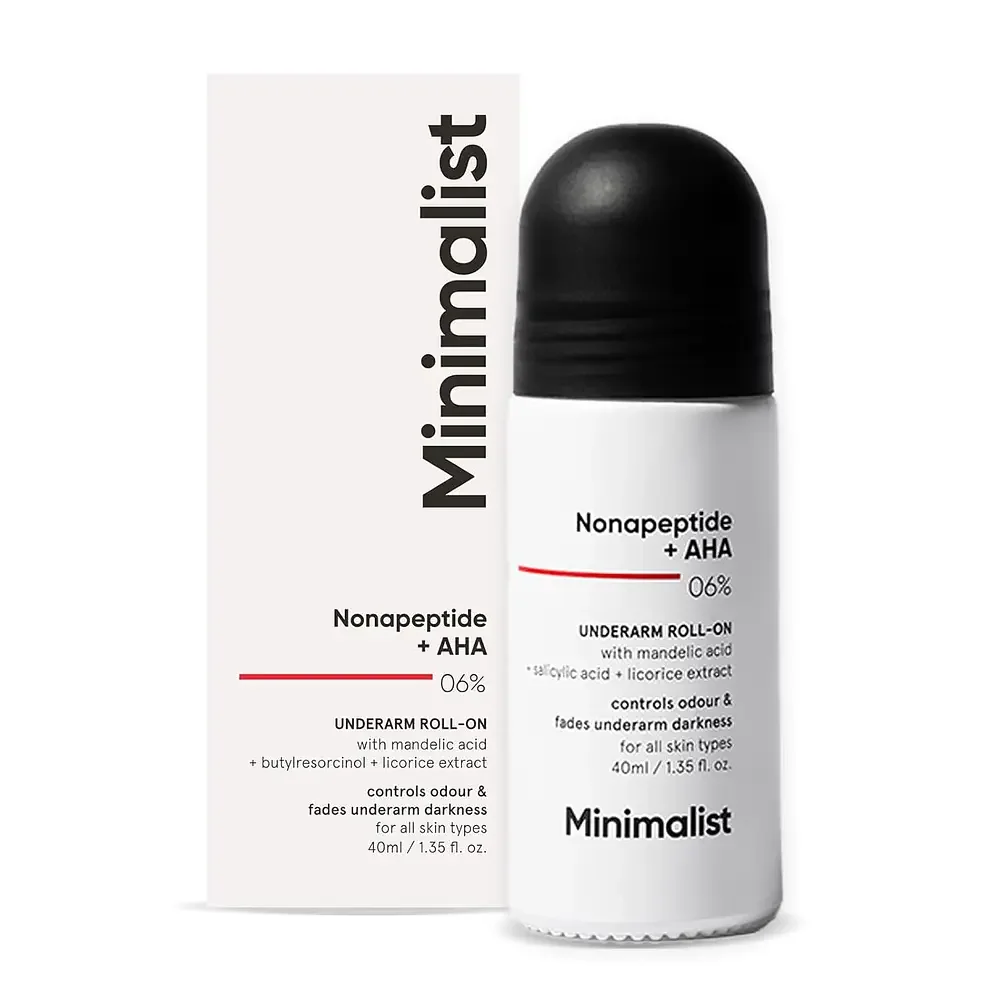

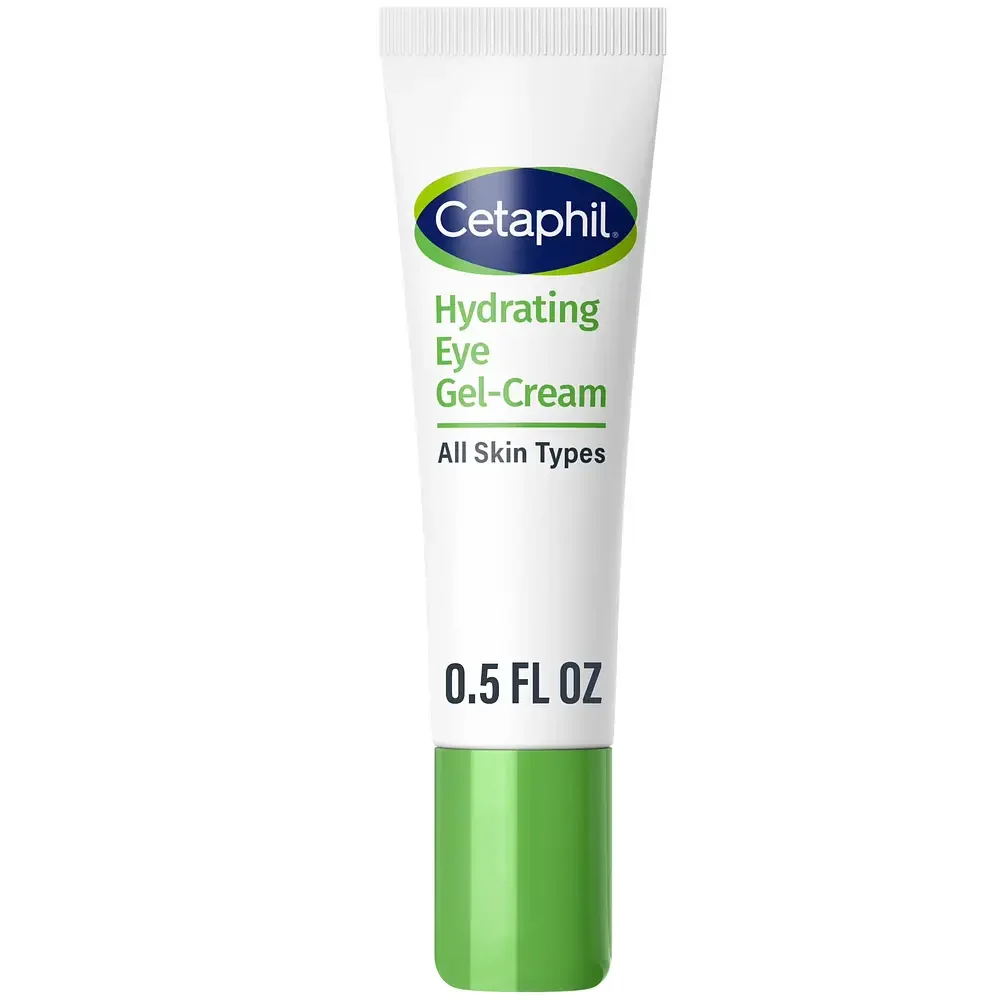
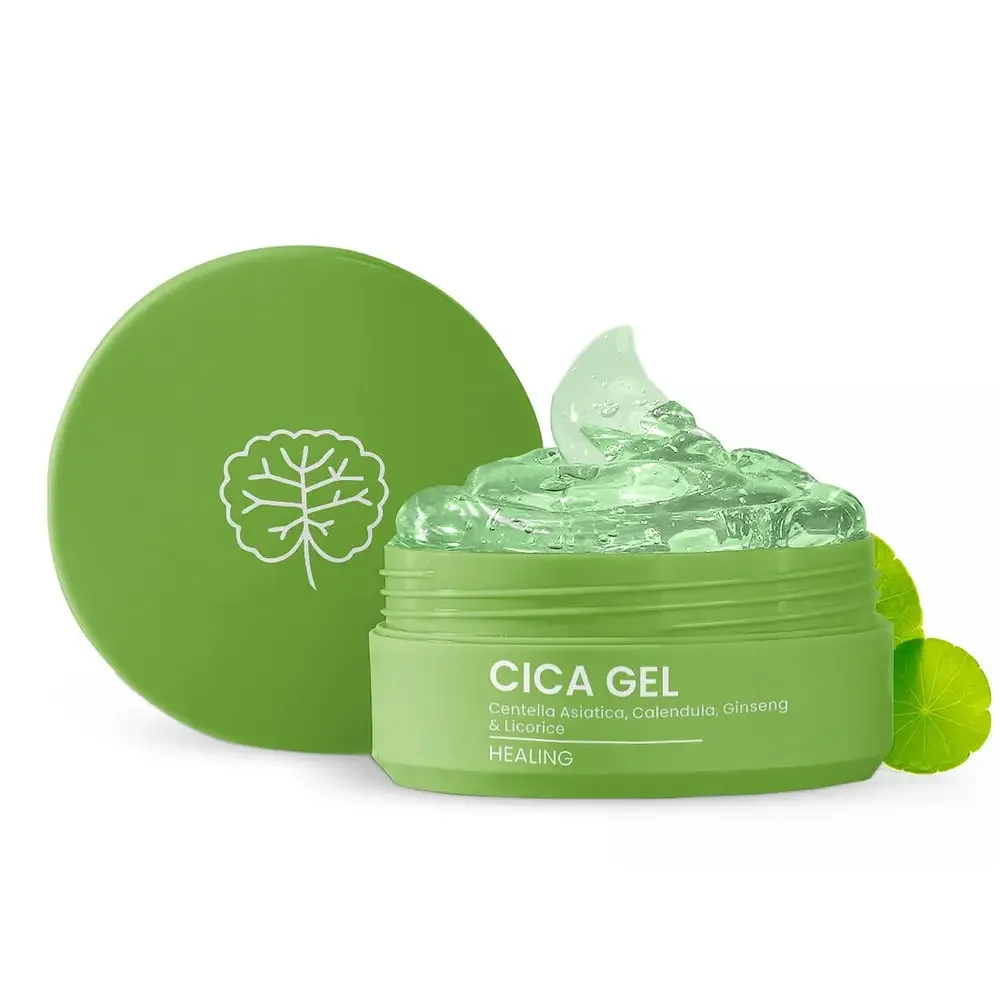
As an Amazon Associate, AllerNote earns from qualifying purchases.
Always scan the actual label before use — formulations change.
What is licorice root extract?
Licorice root extract comes from Glycyrrhiza glabra, a plant used in Ayurveda, Traditional Chinese Medicine and Western herbal medicine for over 2,000 years. In skincare it delivers two distinct actives: glabridin, which inhibits tyrosinase and reduces melanin production (brightening), and glycyrrhizin (glycyrrhizic acid), a potent anti-inflammatory.
That pairing — gentle brightening plus inflammation reduction — makes it one of the most useful botanicals for post-inflammatory hyperpigmentation, sensitive skin with dark spots, and redness- or rosacea-prone skin. Unlike stronger brighteners, it rarely irritates, and it's often combined with niacinamide or centella in calming, brightening formulas.
Why it's so well tolerated
Licorice extract has millennia of traditional use and a solid modern safety profile at topical concentrations (typically 0.1–2% standardised extract); patch-test data show very few cases of contact dermatitis. A few things worth knowing:
- Oral cautions don't transfer. Long-term oral licorice can raise blood pressure and lower potassium — these effects do not apply to topical cosmetic use.
- Glabridin content varies. Cheap extracts may contain little active; premium ones state standardisation.
- It works slowly. Like most gentle brighteners, expect 8–12 weeks of consistent use.
- Topically pregnancy-safe. Unlike oral licorice (avoided in pregnancy), topical use is considered safe.
Licorice is one of my favourite "gentle but real" ingredients to recommend, because it threads a needle most actives can't: it brightens and calms, without the irritation that usually comes with brightening. The one trap is potency — "licorice" on a label means little if there's barely any glabridin in the bottle. Look for the standardisation, and give it time. — Snehal
How to use it well
- Prefer standardised extracts — premium formulas specify glabridin content.
- Morning and night — stable and not photosensitising.
- Pair with niacinamide and vitamin C — synergistic, low-irritation brightening.
- Give it 8–12 weeks — results are gradual.
- Layer over damp skin, under sunscreen in the morning — sun protection makes any brightener work better.
Alternatives & companions
- For faster/stronger brightening: alpha arbutin, tranexamic acid, or kojic acid.
- For anti-inflammation without brightening: centella asiatica, madecassoside.
- For very sensitive skin: allantoin and panthenol are even gentler soothers.
The bottom line
Licorice root extract is a gentle, well-tolerated botanical that brightens pigmentation (via glabridin) and calms redness (via glycyrrhizin) at once — a genuinely useful two-in-one for sensitive, post-acne and rosacea-prone skin. Ignore the oral-licorice blood-pressure worry (it doesn't apply topically), choose a standardised extract, and give it a couple of months.
Was this article helpful?
One tap tells us what to write more of. No account needed.
Is this ingredient in your products?
Scan any cosmetic product to check for Licorice Root Extract and 30+ other allergens instantly.