
Linalool
The lavender-fresh terpene in most scented products — weakly allergenic fresh, a frequent sensitiser once oxidised
INCILinalool
- Category
- Fragrance
- Risk level
- low
- Why it's flagged
- EU-labelled fragrance allergen; oxidises to hydroperoxides that are common contact sensitisers
- What it is
- A floral/woody terpene in 200+ plants — lavender, coriander, bergamot, basil
- The real sensitiser
- Oxidised linalool (linalool hydroperoxides), not the fresh molecule
- Prevalence
- Among the most frequent fragrance allergens — positive in roughly 5–7% in some European cohorts
- EU labelling
- Must be named above 0.001% (leave-on) / 0.01% (rinse-off); on the expanded 2023 allergen list
Look for these names on ingredient lists
This ingredient may appear under any of these names:
Commonly found in
Possible reactions
- Mild-to-moderate contact dermatitis
- Redness and itching on exposed skin
- Eczematous rash that can spread
- Worsening of existing eczema
- Delayed reaction, typically 24–72 hours later
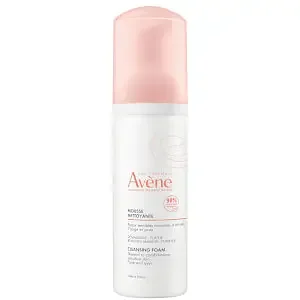
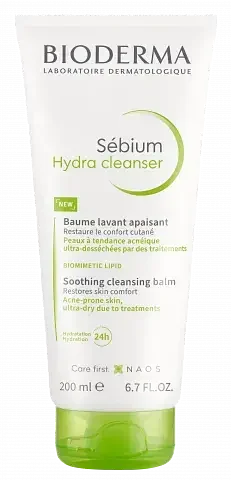
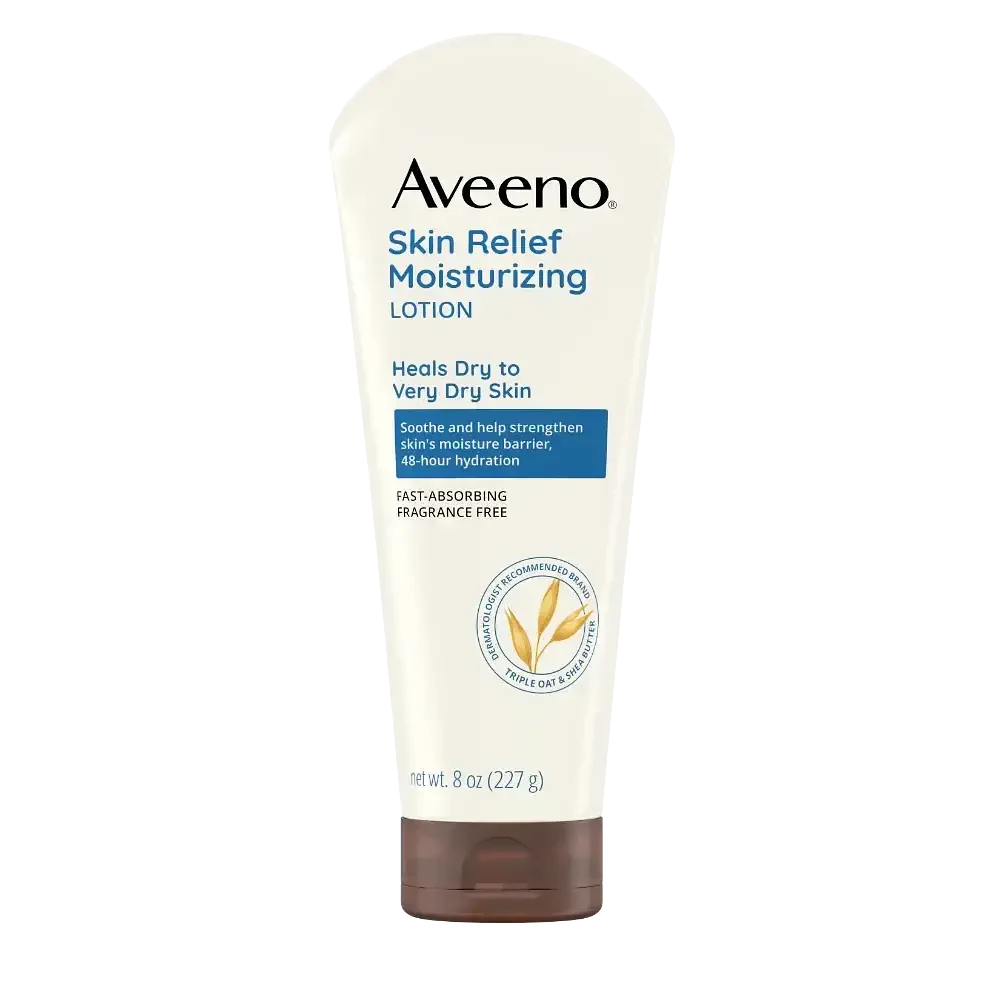
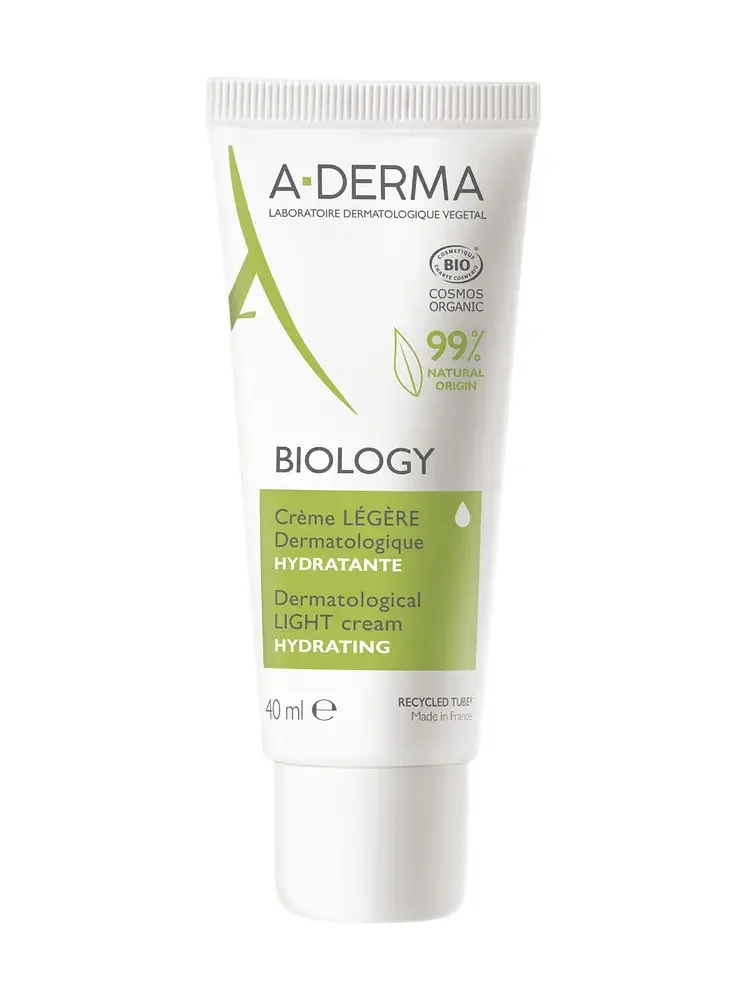
Top picks without Linalool
Highly rated products whose ingredient lists don't include Linalool.
As an Amazon Associate, AllerNote earns from qualifying purchases.
Always scan the actual label before use — formulations change.
Scan a product for this concern
What is linalool?
Linalool is a naturally occurring terpene alcohol with a fresh, floral, slightly woody scent — one of the most widespread fragrance ingredients on earth. It's found in lavender, coriander, bergamot, basil, and hundreds of other plants, which is why it ends up in the majority of perfumed products, from fine fragrance to laundry detergent. In a formula it may be added as a synthetic ingredient or arrive inside an essential oil (lavender, ylang-ylang, rosewood).
Its ubiquity is exactly the problem: people with fragrance sensitivity meet linalool constantly, often without realising.
Why it causes reactions
Pure linalool is, like limonene, only weakly allergenic. The trouble is oxidation: exposed to air, light, and time, linalool forms linalool hydroperoxides, which are strong sensitisers. So a product that was fine when freshly opened can become more allergenic as it ages.
Because linalool is in so many products, cumulative exposure is high — shampoo, body wash, lotion, and perfume in a single day — which drives sensitisation. Once sensitised, even small amounts of oxidised linalool can trigger eczema. For this reason, patch testing uses oxidised linalool (hydroperoxide): a negative test to the pure form doesn't rule out sensitivity.
Linalool from lavender oil is the same molecule as synthetic linalool and oxidises identically. Choosing a "natural lavender" product over a synthetic one changes nothing about the allergen — and whole essential oils often deliver several fragrance allergens together.
How to spot and avoid it
- Read labels for Linalool, plus oils like Lavandula (Lavender) Oil, coriander, and bergamot.
- Prioritise fragrance-free basics — shampoo, body wash, moisturiser.
- Don't forget laundry — detergent and softener leave linalool on everything your skin touches all day.
- Choose fresh stock and airtight packaging to limit oxidation.
- If testing, ask for linalool hydroperoxide, not just pure linalool.
Safer alternatives
- Fragrance-free body wash, shampoo, and moisturiser from dermatologist-oriented lines.
- Fragrance-free laundry detergent and fabric softener.
- For perfume lovers: niche "allergen-free" fragrances formulated to avoid the EU-labelled fragrance allergens (now an expanded list of roughly 80 substances), including linalool.
The bottom line
Linalool is the lavender-fresh terpene that's nearly everywhere and nearly harmless fresh — but its oxidation products make it one of the most common fragrance allergens. The win is lowering cumulative exposure (laundry included), buying fresh, and testing with the oxidised form.
Was this article helpful?
One tap tells us what to write more of. No account needed.
Is this ingredient in your products?
Scan any cosmetic product to check for Linalool and 30+ other allergens instantly.
References & further reading
- Oxidised linalool — a frequent cause of fragrance contact allergy PubMed / Contact Dermatitis
- Fragrance allergens — overview DermNet
- CosIng / Regulation (EU) 2023/1545 (labelled fragrance allergens) EUR-Lex