
Matrixyl (Palmitoyl Pentapeptide-4)
A signal peptide that tells skin to make more collagen — one of the most studied, and gentlest, anti-aging actives
INCIPalmitoyl Pentapeptide-4
- Category
- Peptide
- Risk level
- low
- Signal peptide
- Mimics a fragment of collagen breakdown, nudging skin to produce more collagen and elastin
- Gentle alternative to retinol
- Measurable anti-aging effects without irritation, peeling, sun sensitivity, or pregnancy concerns
- Common concentration
- 2–10% in anti-aging formulas; "Matrixyl 3000" is a common branded blend
- Slow but real
- Works over 8–12 weeks — not a "two-week wow" ingredient
Look for these names on ingredient lists
This ingredient may appear under any of these names:
Commonly found in
Possible reactions
- Allergic reactions are extremely rare
- No stinging, peeling, or irritation typical
- No sun sensitivity
- Considered safe in sensitive skin and pregnancy
Top picks with Matrixyl (Palmitoyl Pentapeptide-4)
Highly rated products that feature Matrixyl (Palmitoyl Pentapeptide-4) in their ingredient list.

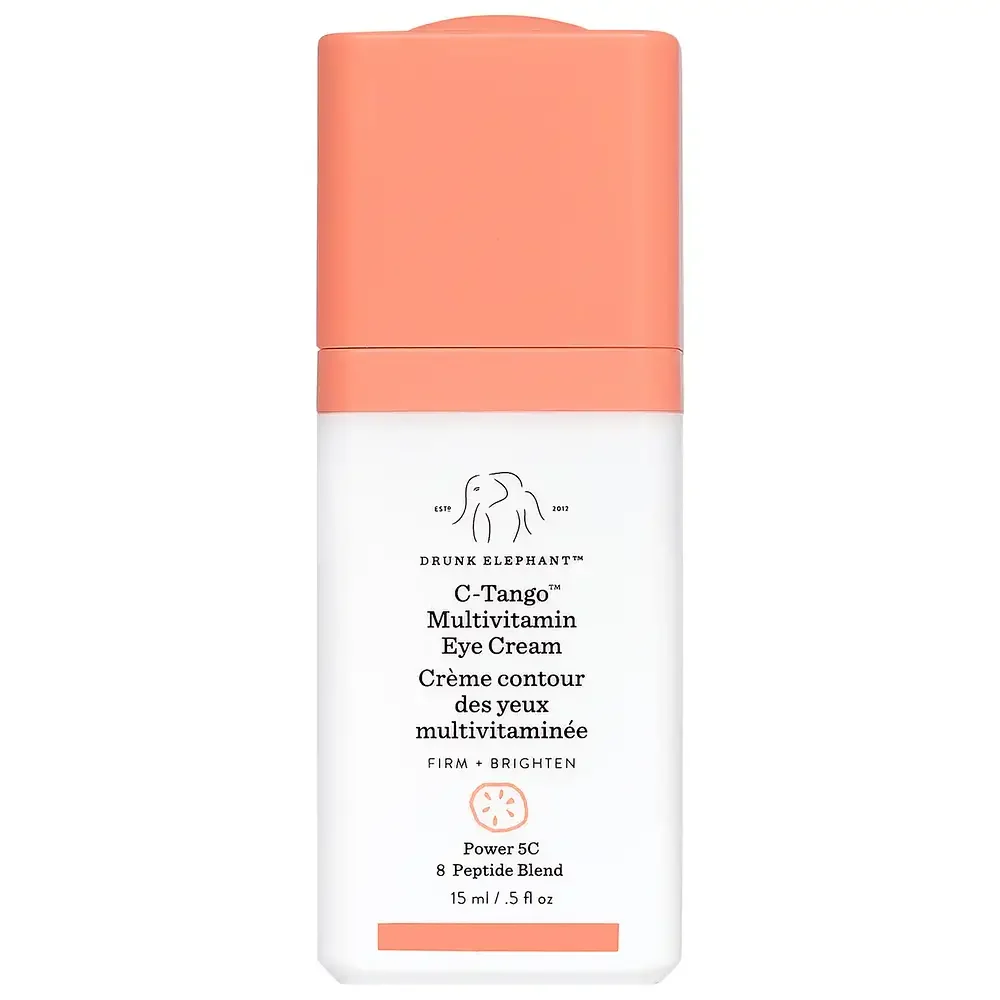
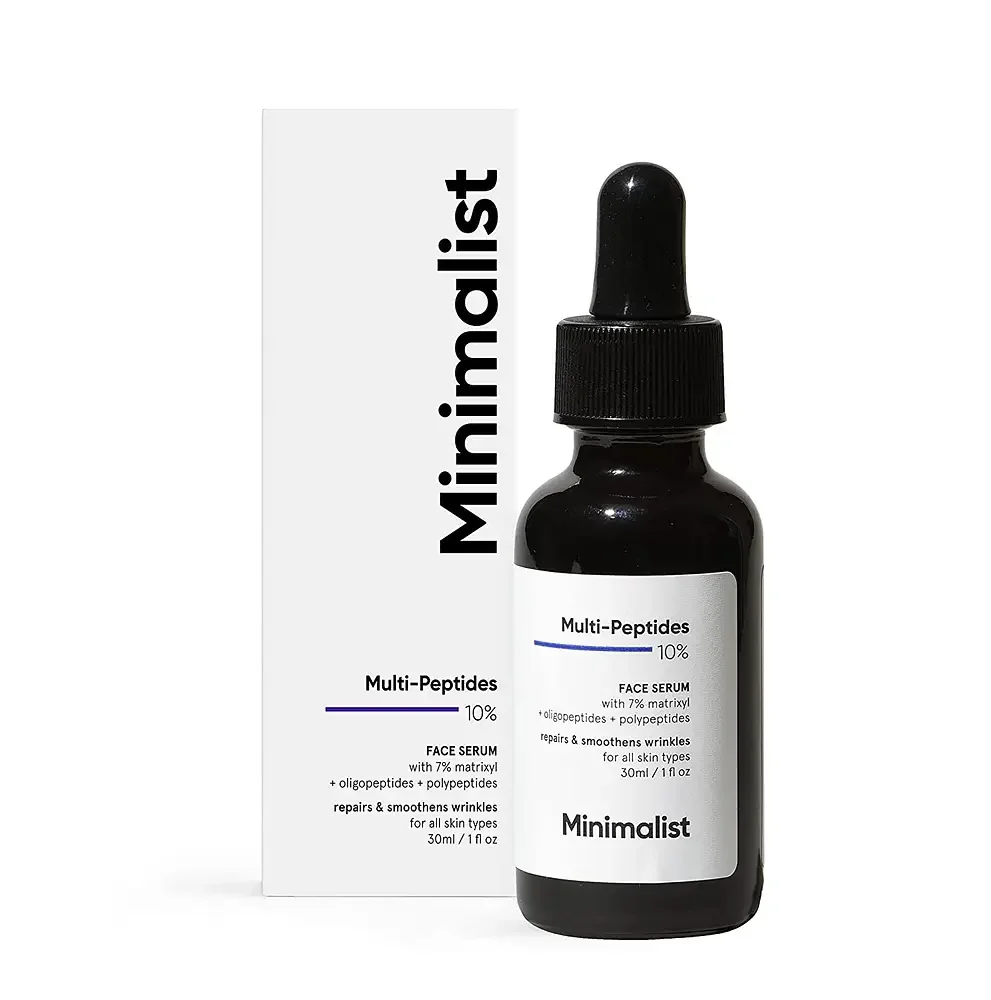

As an Amazon Associate, AllerNote earns from qualifying purchases.
Always scan the actual label before use — formulations change.
What is Matrixyl?
Matrixyl is the trade name for Palmitoyl Pentapeptide-4 (Pal-KTTKS), a signal peptide developed by Sederma in the early 2000s. It's derived from a fragment of Type I collagen's breakdown sequence — the same signal your body uses to say "collagen is damaged, make more." Applied topically, Matrixyl effectively nudges skin into ramping up collagen and elastin, gradually improving fine lines and firmness over 8–12 weeks of consistent use.
Matrixyl 3000 is an upgraded blend pairing Palmitoyl Tripeptide-1 and Palmitoyl Tetrapeptide-7 for effects on both collagen synthesis and inflammation. It remains one of the most clinically studied cosmetic peptides, with trials showing measurable wrinkle-depth improvement — without the irritation, peeling, sun sensitivity, or pregnancy concerns of retinoids.
Why it's so well tolerated
Matrixyl is among the gentlest anti-aging actives available. Patch-test data show virtually no contact dermatitis, and because it works by signalling rather than exfoliating or disrupting the barrier, it doesn't cause redness, peeling, or sun sensitivity. The Cosmetic Ingredient Review rates peptides broadly safe at cosmetic concentrations.
- Gradual effects — results build over 8–12 weeks.
- Plays well with others — stacks with niacinamide, vitamin C, hyaluronic acid; can alternate with retinol.
- Pregnancy-compatible — unlike retinoids, peptides are generally considered safe while pregnant or breastfeeding.
- Stable — works at neutral pH and doesn't degrade in light the way vitamin C can.
AllerNote is mostly about the ingredients that cause trouble, so it's worth being just as clear about the ones that don't. Matrixyl is genuinely low-risk — the realistic catch isn't a reaction, it's expectations. It works, slowly and gently. If you want low-drama anti-aging you can use through pregnancy, it's a sensible pick; if you want retinol-level results, it isn't one. — Snehal
How to use it well
- Morning and/or night — stable at all times of day.
- Give it 8–12 weeks — effects are cumulative.
- Layer with hyaluronic acid and niacinamide — a synergistic, low-irritation stack.
- Alternate with retinol if you use both — gentle enough to share a routine.
- Calibrate expectations — real but gradual; not an overnight transformation.
Safer alternatives
- For stronger anti-aging: retinol or retinaldehyde (if tolerated).
- For pregnancy: Matrixyl is already among the safest; niacinamide is another.
- For firmness: copper peptides and Argireline are complementary peptides.
- For barrier support: ceramides and centella alongside Matrixyl in sensitive routines.
The bottom line
Matrixyl is a well-studied, exceptionally gentle collagen-signalling peptide — real anti-aging benefit without the irritation, sun sensitivity or pregnancy restrictions of retinoids. The only honest caveat is patience: it works gradually over a couple of months. For low-drama prevention, or anti-aging during pregnancy, it's a smart, low-risk choice.
Was this article helpful?
One tap tells us what to write more of. No account needed.
Is this ingredient in your products?
Scan any cosmetic product to check for Matrixyl (Palmitoyl Pentapeptide-4) and 30+ other allergens instantly.