
Mexoryl SX (Ecamsule)
L'Oréal's patented, water-soluble UVA filter — photostable short-UVA protection found mainly in La Roche-Posay and Vichy
INCITerephthalylidene Dicamphor Sulfonic Acid
- Category
- Sunscreen / UV Filter
- Risk level
- low
- What it covers
- Short-wave UVA (UVA2, ~320–340 nm) — complements long-UVA1 filters like avobenzone and Uvinul A Plus
- Patented + water-soluble
- Developed by L'Oréal (1982); water-soluble (unusual for a chemical filter), so largely exclusive to L'Oréal brands
- Availability
- Approved across the EU/Canada/much of the world; only limited FDA approval in the US (since 2006)
- Tolerability
- 40+ years of use, allergy essentially unheard of
Look for these names on ingredient lists
This ingredient may appear under any of these names:
Commonly found in
Possible reactions
- Allergic reactions extremely rare
- No photodegradation
- No sun sensitivity
- Minimal systemic absorption
Top picks with Mexoryl SX (Ecamsule)
Highly rated products that feature Mexoryl SX (Ecamsule) in their ingredient list.
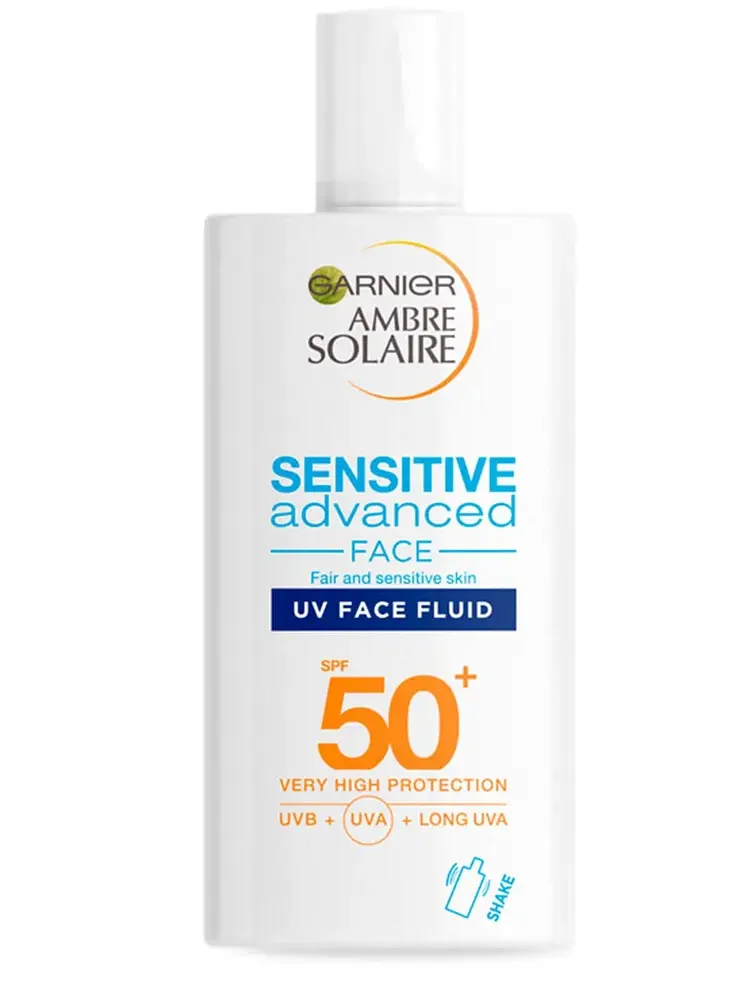
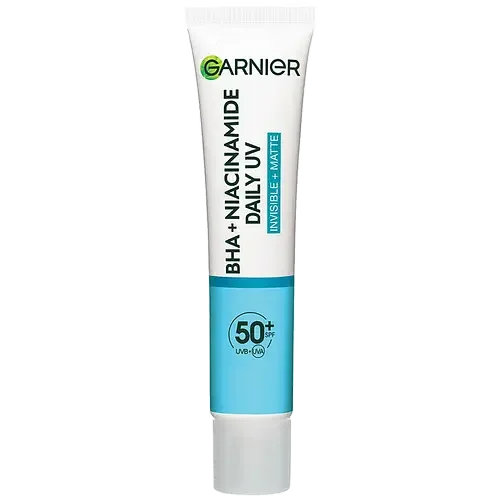
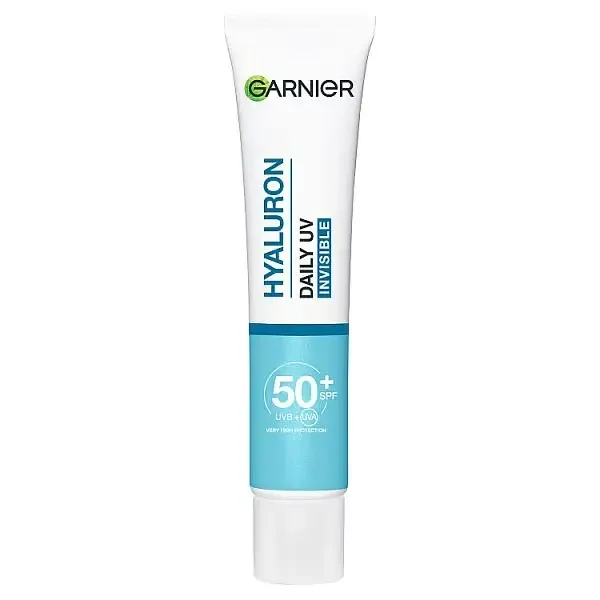
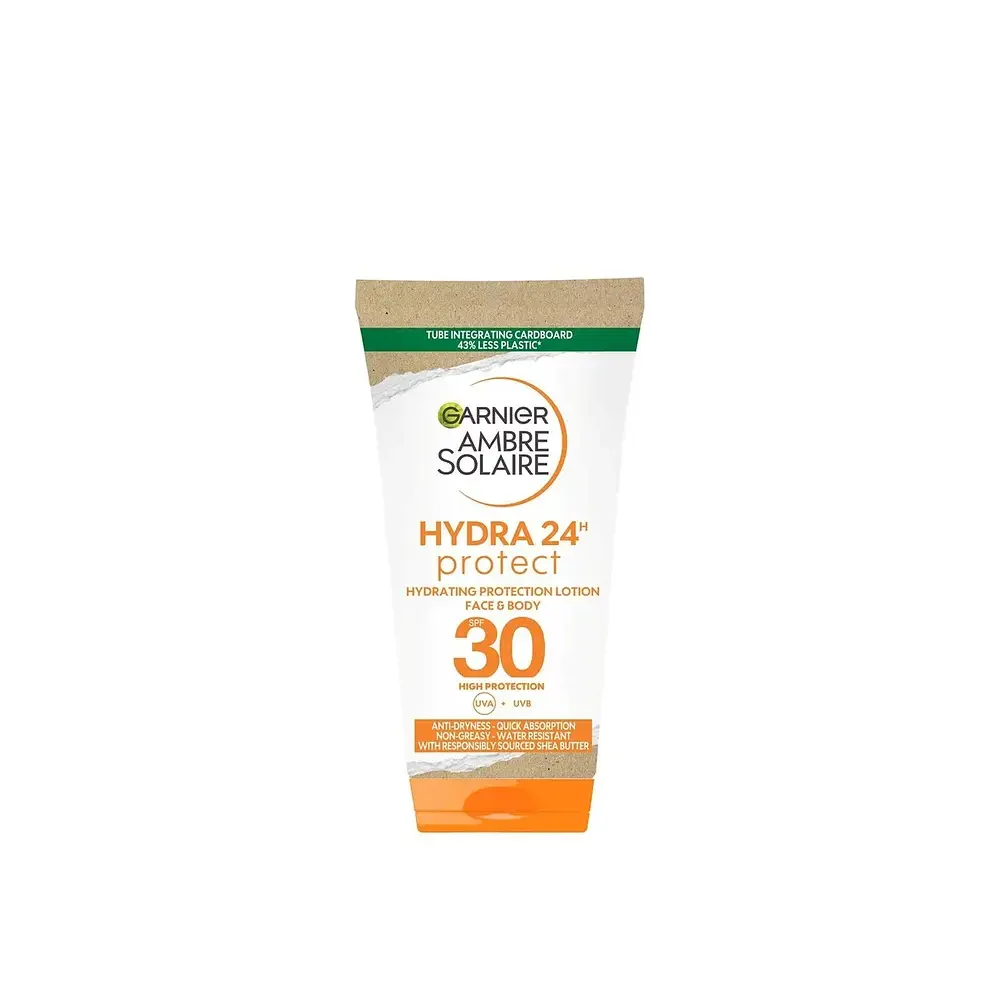
As an Amazon Associate, AllerNote earns from qualifying purchases.
Always scan the actual label before use — formulations change.
Scan a product for this concern
What is Mexoryl SX?
Mexoryl SX (INCI: Terephthalylidene Dicamphor Sulfonic Acid; also ecamsule) is a chemical UV filter developed and patented by L'Oréal in 1982 — one of the first modern photostable UVA filters and a cornerstone of premium European sun protection ever since. Unusually for a chemical filter, it's water-soluble, which gives it a distinctive feel and unique formulation options.
It specialises in short-wave UVA (UVA2, ~320–340 nm) — the band between UVB and long UVA1 — so it's combined with long-UVA1 filters (avobenzone, Uvinul A Plus) to round out the spectrum. Because it's patented, it appears almost exclusively in L'Oréal-group brands: La Roche-Posay, Vichy, Garnier. It's approved across the EU, Canada, and much of the world; in the US it has only limited FDA approval (granted 2006 for a few La Roche-Posay products).
Why it's so well tolerated
Over 40+ years of use, Mexoryl SX has an excellent safety record — patch-test contact dermatitis is almost nonexistent, and EU and Health Canada regulators have repeatedly cleared it at cosmetic concentrations.
- Water-soluble — works in light gels and lotions where oil-soluble filters don't.
- Photostable — doesn't degrade and helps stabilise partner filters.
- Minimal absorption — low systemic exposure.
- Family — L'Oréal also makes Mexoryl XL (oil-soluble long-UVA) and Mexoryl 400 (extreme long-UVA, used in Anthelios UVMune 400).
How to use it well
- Look for L'Oréal-group sunscreens — La Roche-Posay Anthelios, Vichy Capital Soleil.
- It's part of a blend — pair (in-formula) with avobenzone/Uvinul A Plus for full UVA.
- Reapply every 2–3 hours outdoors; apply generously.
- A strong choice for melasma and sensitive skin that needs robust, gentle UVA cover.
Alternatives
- Broadly available modern filters: Tinosorb S/M, Uvinul A Plus (across many brands, EU/Asia).
- Most conservative: mineral sunscreens (zinc oxide).
- US users: mineral sunscreens, given Mexoryl's limited FDA status.
The bottom line
Mexoryl SX is a long-proven, water-soluble, photostable UVA2 filter — gentle, low-allergy, and the signature of L'Oréal's well-regarded Anthelios line. Its quirks are commercial and regulatory (patent-exclusive, limited in the US) rather than anything to do with skin safety.
Was this article helpful?
One tap tells us what to write more of. No account needed.
Is this ingredient in your products?
Scan any cosmetic product to check for Mexoryl SX (Ecamsule) and 30+ other allergens instantly.