
Neomycin Sulfate
A first-aid-ointment antibiotic that's a top contact allergen — the classic "the wound won't heal" reaction
INCINeomycin Sulfate
- Category
- Antibiotic
- Risk level
- medium
- What it is
- An aminoglycoside topical antibiotic; a component of "triple antibiotic" (with bacitracin + polymyxin)
- How common
- Among the most frequent contact allergens — ACDS "Allergen of the Year" 2010
- Cross-reaction
- Other aminoglycosides — gentamicin, tobramycin, kanamycin
- The classic clue
- "Paradoxical" worsening — a treated wound gets redder/itchier instead of healing
Look for these names on ingredient lists
This ingredient may appear under any of these names:
Commonly found in
Possible reactions
- A wound/rash that worsens or won't heal where the ointment is applied
- Redness, swelling, itching at the application site
- Delayed reaction 24–72 hours after use
- Eyelid/periorbital dermatitis from eye drops
Top picks without Neomycin Sulfate
Highly rated products whose ingredient lists don't include Neomycin Sulfate.
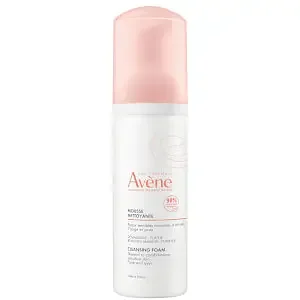
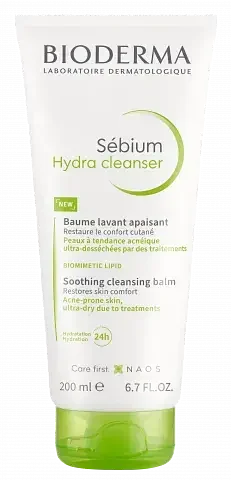
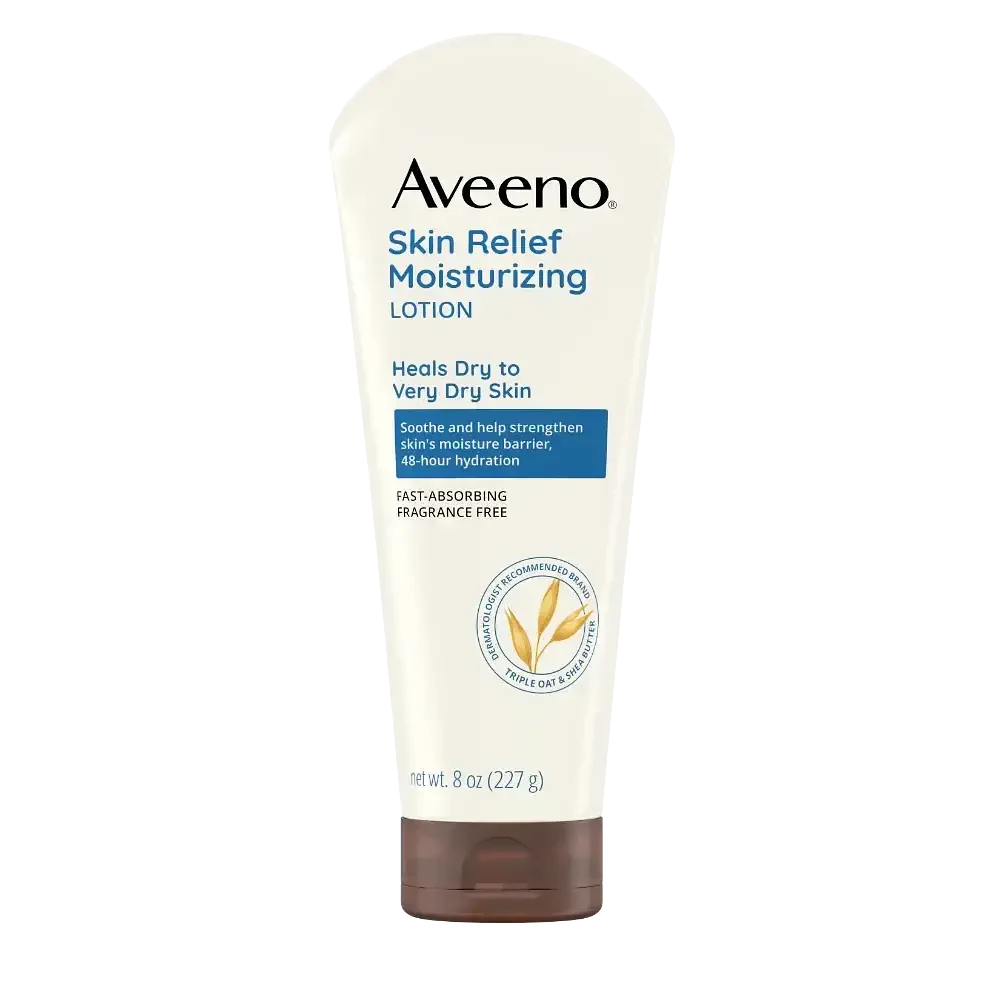
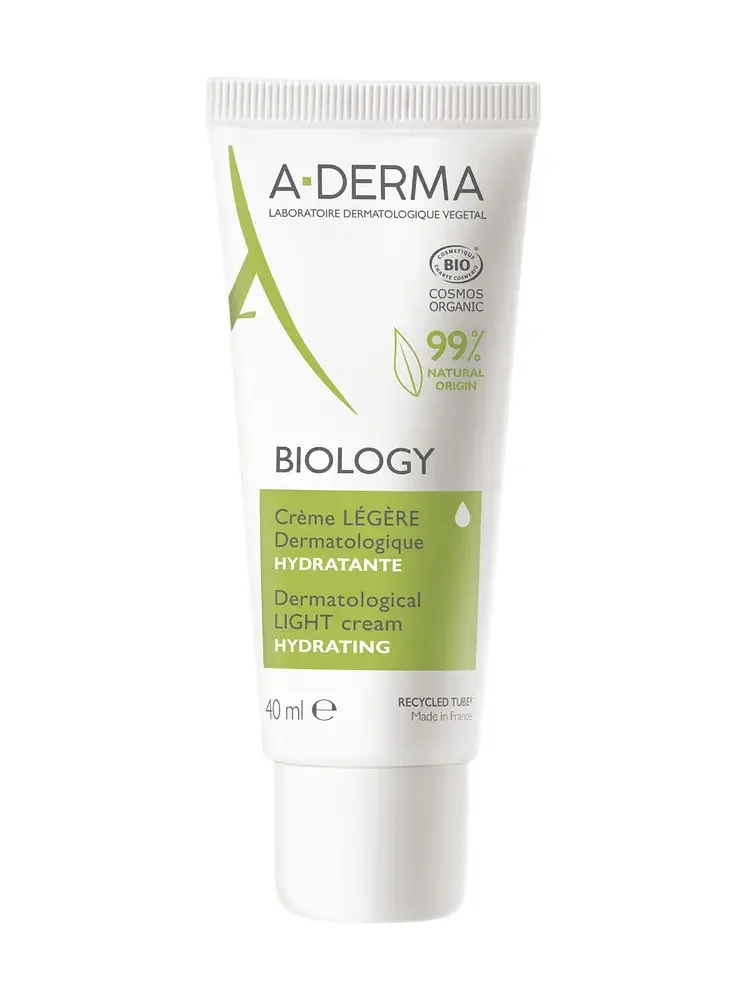
As an Amazon Associate, AllerNote earns from qualifying purchases.
Always scan the actual label before use — formulations change.
What is neomycin?
Neomycin sulfate is an aminoglycoside antibiotic used topically to prevent or treat bacterial skin infection. It's in OTC triple-antibiotic ointments (with bacitracin and polymyxin B), prescription topical preparations, and some eye and ear drops. It's effective — but it has a notable downside: it's one of the most common causes of allergic contact dermatitis among topical drugs, named the American Contact Dermatitis Society's "Allergen of the Year" in 2010.
Why it causes reactions — the "paradoxical" wound
Neomycin causes Type IV delayed hypersensitivity (24–72 hours after exposure), and its signature presentation is genuinely counterintuitive:
Someone puts antibiotic ointment on a cut or scrape. Instead of healing, the wound and the skin around it get redder, itchier, and more swollen. Assuming infection, they apply more ointment — which worsens the allergic reaction.
This paradoxical worsening — a "treated" wound that won't settle — is the classic clue to neomycin allergy. Because people think of it as "medicine," not a cosmetic, the allergy is often overlooked.
Neomycin also cross-reacts with other aminoglycosides (gentamicin, tobramycin, kanamycin), so a neomycin allergy means avoiding those too — including in eye/ear drops.
How to spot and avoid it
- Read first-aid labels for Neomycin / Neomycin Sulfate (and remember triple-antibiotic ointments contain it).
- Suspect allergy when a treated wound worsens rather than heals.
- Avoid the aminoglycoside family if sensitised — and tell your doctor before eye/ear drops.
- Patch test to confirm and identify cross-reactors.
Safer alternatives
- Plain petrolatum for simple minor wounds — heals as well as antibiotic ointment, no sensitisation.
- Mupirocin — a different class, no neomycin cross-reactivity (prescription).
- Genuine infections: see a clinician for a non-aminoglycoside antibiotic.
- Note bacitracin (often in the same ointment) is also a common allergen.
The bottom line
Neomycin is an effective topical antibiotic and, simultaneously, a leading contact allergen whose tell is a wound that worsens instead of healing. Most minor cuts don't need it at all — plain petrolatum is a safer default — and if you're sensitised, avoid the whole aminoglycoside family and flag it to your doctor.
Was this article helpful?
One tap tells us what to write more of. No account needed.
Is this ingredient in your products?
Scan any cosmetic product to check for Neomycin Sulfate and 30+ other allergens instantly.