
Niacinamide
The most versatile and best-tolerated active in skincare — and one of the rare ingredients with essentially no allergy concern
INCINiacinamide
- Category
- Active
- Risk level
- low
- What it does
- Brightens pigmentation, hydrates, reduces oiliness, calms inflammation, repairs the barrier, boosts ceramide production
- Concentration sweet spot
- 2–5% delivers most benefits with minimal risk; 10% is the upper end for stubborn dark spots
- Tolerability
- One of the gentlest actives; rated safe at cosmetic concentrations and pregnancy-friendly
- Plays well with
- Retinol, vitamin C, AHAs/BHAs, peptides, and sunscreen
Look for these names on ingredient lists
This ingredient may appear under any of these names:
Commonly found in
Possible reactions
- Mild flushing or warmth at very high concentrations (usually from impurities, not niacinamide itself)
- Occasional tingling on freshly exfoliated skin
- True allergic reactions are essentially undocumented
- Safe in pregnancy and breastfeeding
Top picks with Niacinamide
Highly rated products that feature Niacinamide in their ingredient list.
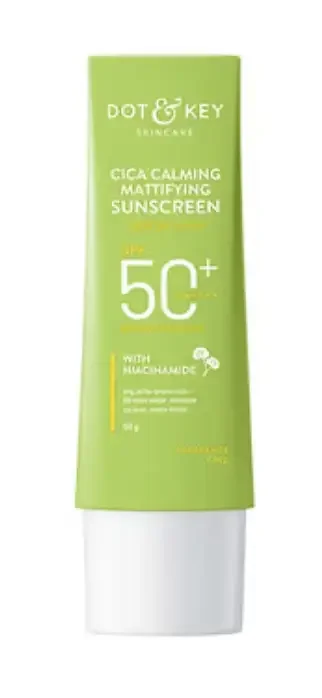
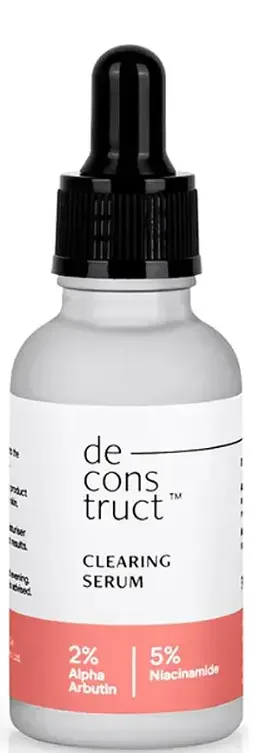
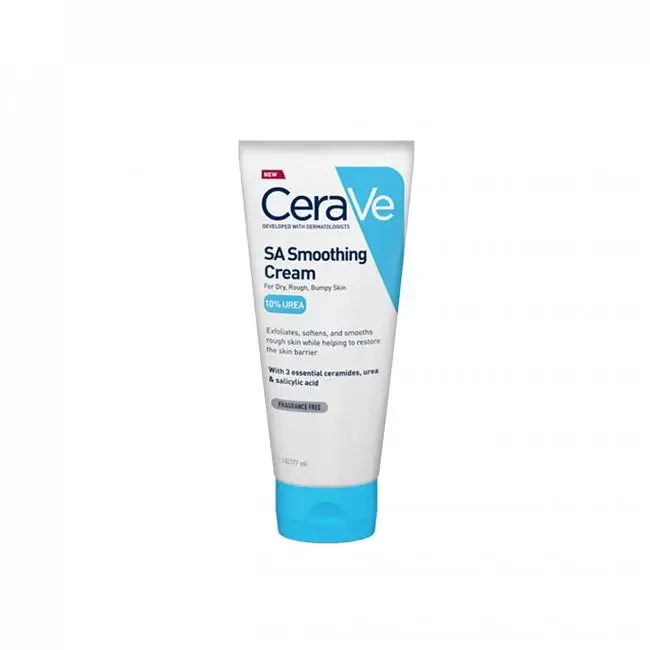

As an Amazon Associate, AllerNote earns from qualifying purchases.
Always scan the actual label before use — formulations change.
What is niacinamide?
Niacinamide is the amide form of niacin — vitamin B3 — and one of the most studied, best-tolerated, and genuinely versatile ingredients in modern skincare. Where most actives do one job, niacinamide does several at once: it brightens hyperpigmentation, regulates sebum, calms redness, strengthens the skin barrier, and boosts the skin's own ceramide production. There's clinical support for almost every common concern.
It's water-soluble, stable, works near skin-neutral pH, and gets along with virtually every other active. That's why dermatologists so often recommend it as a beginner's "first active."
Why it almost never causes problems
For a site about allergens and reactions, niacinamide is the happy exception worth stating plainly: it's one of the gentlest actives you can use. Cosmetic safety panels rate it safe at all typical concentrations (around 2–10%), and true allergic contact dermatitis to it is essentially undocumented. It's also pregnancy-safe, which makes it a go-to for tone and oil concerns when retinoids are off the table.
The only real nuance is flushing at high concentrations — and even that usually isn't the niacinamide. Niacinamide is often confused with niacin (nicotinic acid), its acid cousin that causes the well-known "niacin flush." Pure niacinamide doesn't flush; cheaper formulas with trace nicotinic-acid impurity can. The fix is to change brands, not abandon the ingredient.
You may have read that niacinamide and vitamin C "cancel each other out." This came from 1960s lab work using unstable raw materials and heat — conditions that don't reflect modern formulas. Today's consensus: they work together fine. Don't let the myth stop you from using two of the best-tolerated brighteners there are.
If something does bother you
Because niacinamide itself is so rarely the issue, a reaction to a "niacinamide product" is a useful prompt to read the rest of the label. The likely culprits are:
- Fragrance or essential oils in the formula
- Other actives stacked alongside it (a strong acid, a high-strength retinol)
- Trace nicotinic acid causing flushing (a brand/quality issue)
This is exactly the kind of "the headline ingredient is innocent" situation where checking the full ingredient list against your own triggers saves a lot of guesswork.
How to use it well
- Start at 5%, not 10% — 5% gives most of the benefit with even less chance of flushing; save 10% for stubborn dark spots.
- Use morning and night — it's one of the few actives you can apply twice daily, every day, without buildup.
- Layer under sunscreen for a brightening, oil-controlling daytime stack.
- Pair it with retinol at night — niacinamide reduces retinol's irritation and supports the barrier.
Alternatives (for specific goals)
- Pure brightening: vitamin C or alpha arbutin.
- Barrier repair / calming: ceramide moisturisers, panthenol, centella asiatica.
- Active acne: niacinamide helps but isn't a primary treatment — salicylic acid, azelaic acid, or a prescribed retinoid are stronger.
The bottom line
Niacinamide is the rare active that's both highly effective and almost universally well tolerated — low allergy risk, pregnancy-safe, and compatible with nearly everything. If a niacinamide product ever bothers your skin, suspect the fragrance or formula around it, not the vitamin B3.
Was this article helpful?
One tap tells us what to write more of. No account needed.
Is this ingredient in your products?
Scan any cosmetic product to check for Niacinamide and 30+ other allergens instantly.