
Nickel Sulfate
The single most common contact allergen in the world — rarely added to cosmetics on purpose, but reaching skin through tools, packaging, and jewellery
INCINickel Sulfate
- Category
- Metal
- Risk level
- medium
- Why it's flagged
- The most common contact allergen — affects roughly 10–20% of women in Western populations
- Prevalence
- Roughly 10–20% of women and 1–3% of men in Western populations are nickel-allergic
- How it reaches you in cosmetics
- Mostly indirectly — metal tools, packaging, and trace pigment impurities, not as a listed ingredient
- EU regulation
- Nickel release from prolonged skin-contact items is capped under REACH (Annex XVII) at <0.5 µg/cm²/week
- Patch test standard
- Nickel sulfate is on the baseline patch-test series everywhere
Look for these names on ingredient lists
This ingredient may appear under any of these names:
Commonly found in
Possible reactions
- Itchy, red rash exactly where metal touches skin
- Blisters or weeping in stronger reactions
- Eyelid or cheek dermatitis from metal tools and packaging
- Chronic dryness/flaking from repeated low-level contact
- Classic "belt-buckle" or earring-back rash
Top picks without Nickel Sulfate
Highly rated products whose ingredient lists don't include Nickel Sulfate.
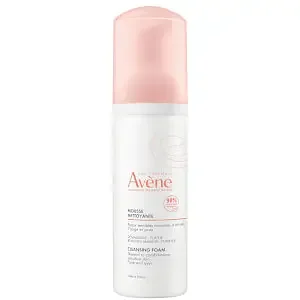
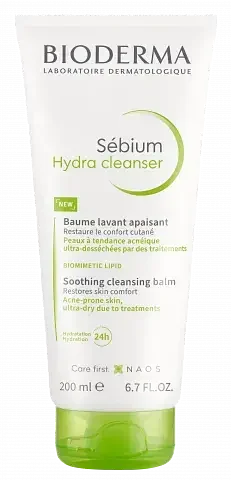
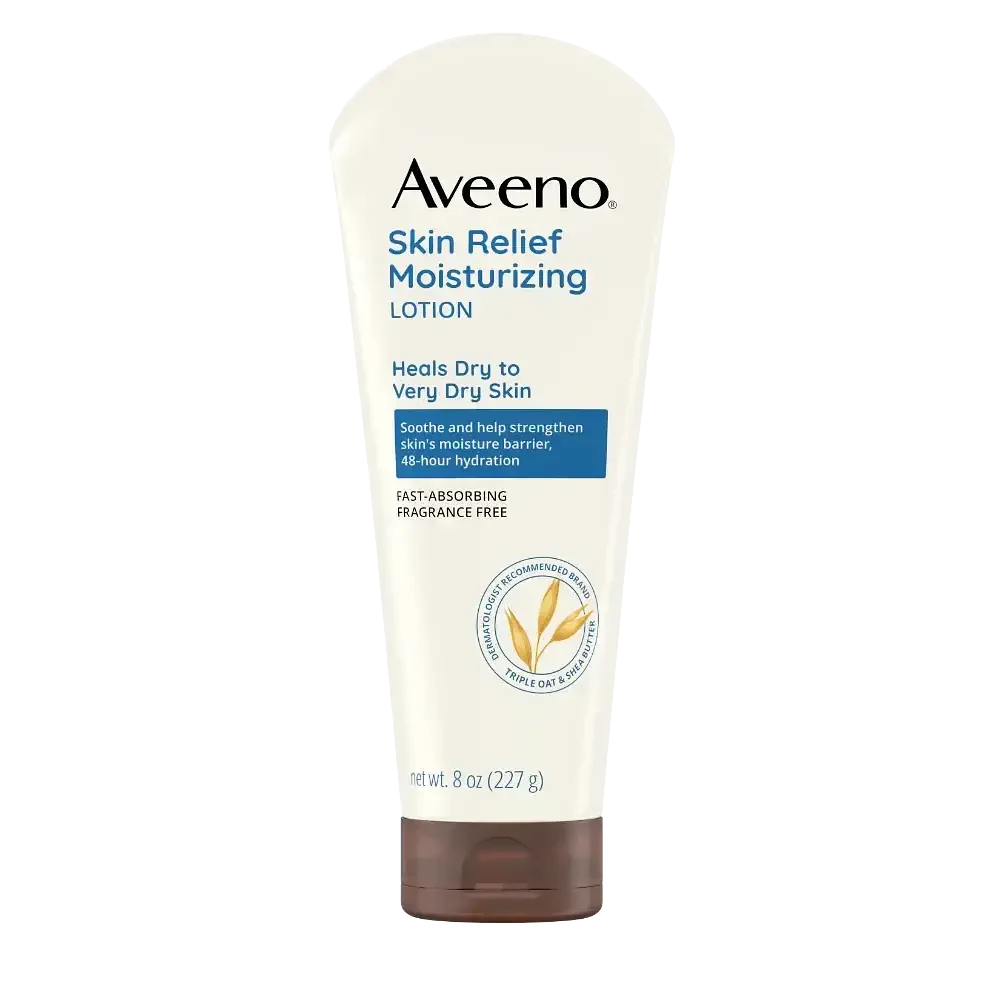
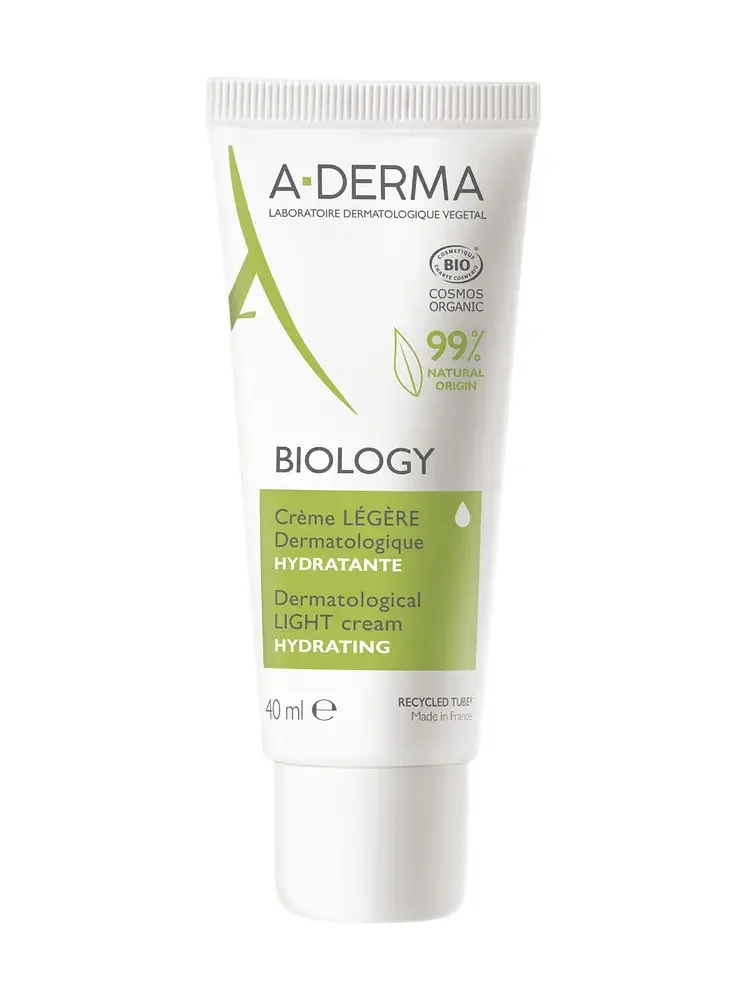
As an Amazon Associate, AllerNote earns from qualifying purchases.
Always scan the actual label before use — formulations change.
Scan a product for this concern
What is nickel?
Nickel is a silvery-white metal — and the single most common cause of allergic contact dermatitis in the world. Nickel sulfate is the salt form used to test for the allergy. The crucial thing to understand is that, unlike most cosmetic allergens, nickel is usually not a deliberate ingredient. It reaches your skin indirectly: from the metal tools you use, the packaging that holds your products, and trace amounts that ride along in some pigments.
Most people are sensitised long before cosmetics are involved — classically through earrings and piercings, belt buckles, watch backs, or occupational metal contact. Once that sensitisation exists, anything that releases enough nickel can flare it, including a metal eyelash curler or the rim of a mascara tube.
Why nickel causes reactions
Nickel is a hapten: a small ion that binds to proteins in your skin, creating a complex your immune system can learn to attack. After sensitisation, contact triggers a delayed (24–72 hour) inflammatory reaction wherever enough nickel is released. Release happens when sweat and skin oils meet a nickel-containing alloy — which is exactly the warm, slightly damp condition around the eyes and on the hands.
It's also dose-dependent: more nickel, stronger reaction. Highly sensitised people can react to tiny amounts, which is why the EU caps nickel release (not just content) from skin-contact items.
The cosmetic angle: tools and packaging, not the formula
If you're nickel-allergic and your makeup seems to bother you, the usual suspects are metal, not chemistry:
- Eyelash curlers and metal tweezers — direct, repeated contact with delicate eye-area skin
- Brushes with metal ferrules — the band where bristles meet handle
- Mascara/eyeliner tubes and compact cases — the metal you grip and that touches your face
- Hair clips and bobby pins — scalp and hairline contact
- Pigment trace impurities — some mineral pigments carry small amounts of nickel; relevant if you react to many different eyeshadows
A surprising number of "I'm allergic to my eyeshadow" stories turn out to be the eyelash curler or the metal tube. If your reactions cluster around the eyes, switch to plastic/silicone tools and check packaging before you give up on a formula you otherwise like.
How to reduce nickel exposure
- Use plastic or silicone tools — silicone-padded or plastic eyelash curlers, plastic-ferrule brushes.
- Check packaging metal — favour plastic, titanium, or 316L stainless components.
- Test metal items with a dimethylglyoxime (DMG) kit — it turns pink on nickel-releasing surfaces.
- Choose low-impurity pigments — mineral/sensitive-skin makeup lines if you react across many colour cosmetics.
- Fix the upstream sources — nickel-safe jewellery (titanium, 316L, solid gold, sterling silver) reduces your overall sensitisation load.
When to see a dermatologist
If you have recurring, itchy rashes that map to metal contact — earlobes, wrists, waistline, eyelids — or a stubborn hand eczema, ask about patch testing. Nickel sulfate is on every baseline series, so confirmation is straightforward, and a clear diagnosis lets you target tools, jewellery, and (rarely) diet rather than guessing.
The bottom line
Nickel is the most common contact allergen there is, but in cosmetics it's almost always an indirect problem. Treat your tools and packaging as the prime suspects, manage your jewellery and piercings, and you'll address far more nickel exposure than any ingredient list ever will.
Was this article helpful?
One tap tells us what to write more of. No account needed.
Is this ingredient in your products?
Scan any cosmetic product to check for Nickel Sulfate and 30+ other allergens instantly.