
Panthenol
Pro-vitamin B5 — a calming, barrier-repairing humectant that doubles as a clinical wound-healing agent
INCIPanthenol
- Category
- Humectant
- Risk level
- low
- What it is
- The alcohol form of vitamin B5; converts in skin to pantothenic acid
- Healing role
- The active in clinical wound/nappy-rash creams (e.g. Bepanthen)
- Tolerability
- Among the gentlest actives — allergy well under 0.1%; infant-safe
- Concentration
- ~1–5% in skincare (up to ~5% in hair products)
Look for these names on ingredient lists
This ingredient may appear under any of these names:
Commonly found in
Possible reactions
- Allergic contact dermatitis extremely rare (well under 0.1%)
- Mild stinging on very broken skin (irritant, brief)
- No documented toxicity at cosmetic concentrations
- Safe for infants and post-procedure skin
Top picks with Panthenol
Highly rated products that feature Panthenol in their ingredient list.
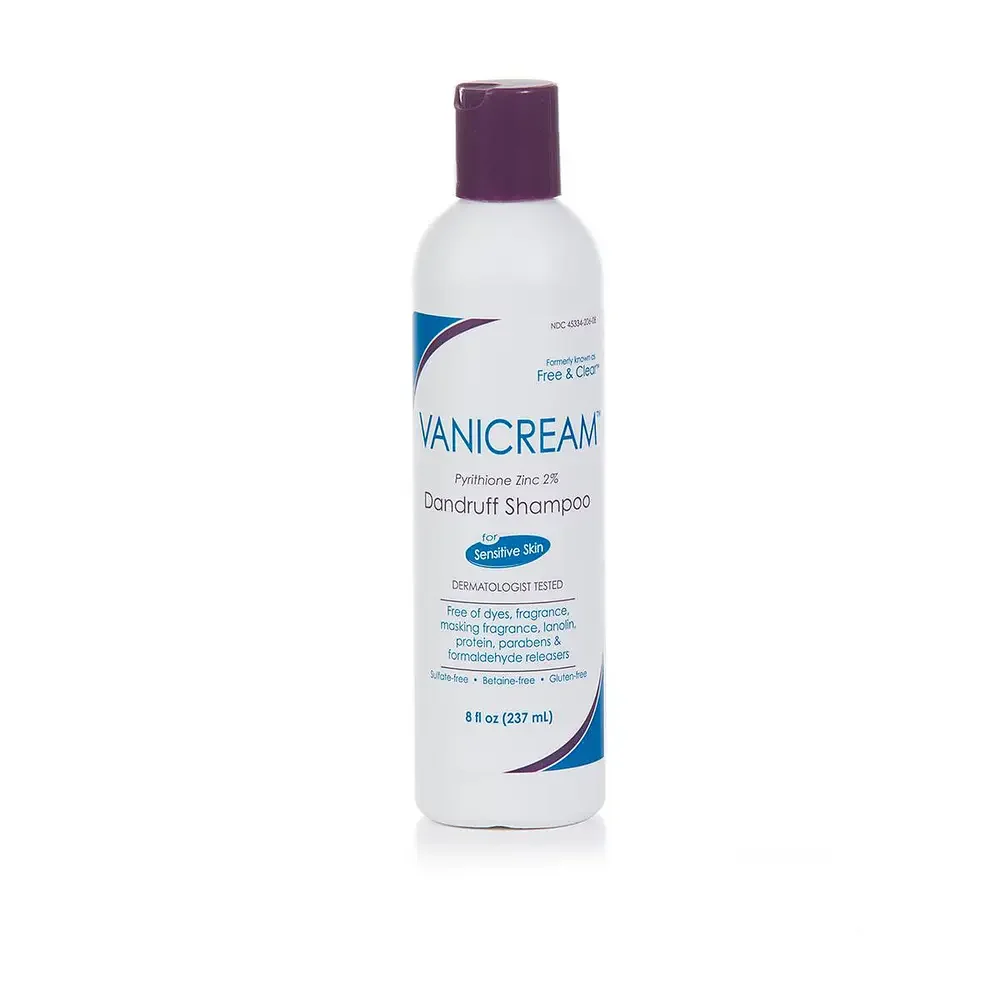
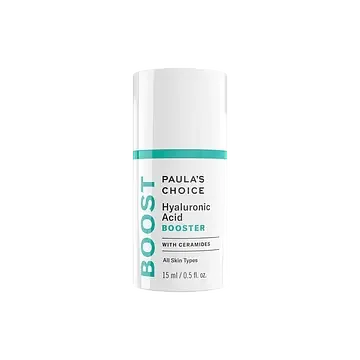
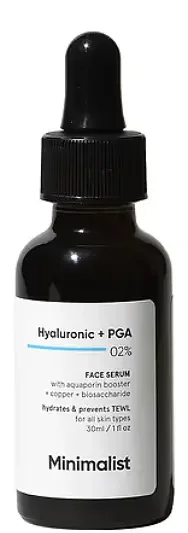
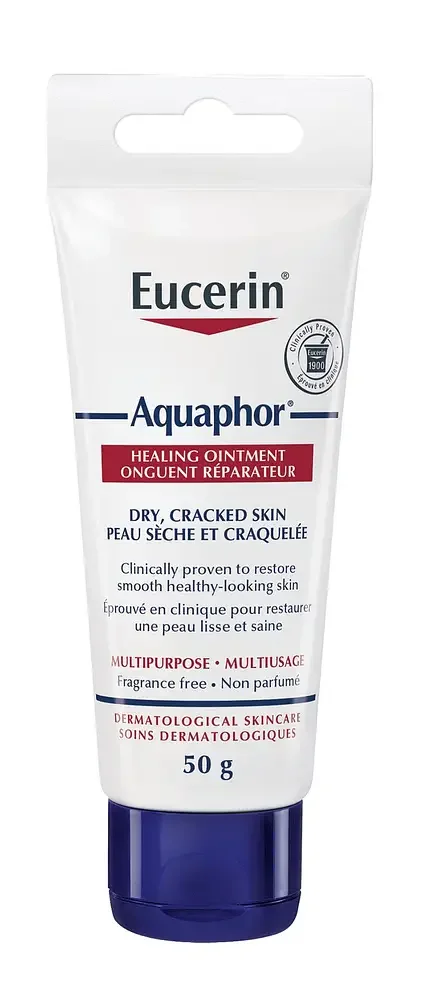
As an Amazon Associate, AllerNote earns from qualifying purchases.
Always scan the actual label before use — formulations change.
What is panthenol?
Panthenol is the alcohol form of vitamin B5 (pantothenic acid). Once in the skin or hair it converts to active B5, which cells use for metabolism and tissue repair. As a topical it does three jobs together: hydrates (humectant), soothes irritated/inflamed skin, and supports barrier repair.
It's one of the rare cosmetic ingredients that's also a clinical wound-healing agent — the over-the-counter ointment Bepanthen is essentially panthenol in a petrolatum base, used for nappy rash, minor burns, and post-procedure skin.
Why it's so safe
Because panthenol becomes a vitamin your body needs daily, true allergy is exceptionally rare (patch-test contact dermatitis well under 0.1%), and it's rated safe at cosmetic concentrations (1–5%) — gentle enough for infants. The only nuance: at high concentrations (5–10%) in rescue creams it can feel slightly tacky and briefly sting broken skin; that's transient irritation, not allergy.
It's a cornerstone of the modern barrier-repair stack with niacinamide, ceramides, and centella — the basis of most post-acne, post-procedure, and sensitive-skin routines.
How to use it well
- Reach for it on irritated/post-procedure skin — a ~5% panthenol cream calms red, raw, post-laser or post-acid skin.
- Pair with niacinamide + ceramides for barrier repair.
- Use after retinoids to cut peeling/redness without blunting the active.
- Keep a tube of a panthenol ointment as a universal "rescue" cream.
Alternatives
- Plain hydration: glycerin, hyaluronic acid, sodium PCA.
- Barrier repair without panthenol: ceramides, cholesterol, madecassoside.
- Wound-healing equivalent: centella ("cica") creams, plain petrolatum.
The bottom line
Panthenol is a do-no-harm, do-a-lot ingredient — hydrating, soothing, barrier-repairing, infant-safe, and with allergy effectively off the table. If it's in a product that bothers you, the culprit is almost certainly elsewhere in the formula.
Was this article helpful?
One tap tells us what to write more of. No account needed.
Is this ingredient in your products?
Scan any cosmetic product to check for Panthenol and 30+ other allergens instantly.