
Resveratrol
The grape-skin polyphenol — a gentle topical antioxidant and anti-inflammatory, best used in an antioxidant stack
INCIResveratrol
- Category
- Antioxidant
- Risk level
- low
- What it is
- A polyphenol from grape skins, peanuts, and Japanese knotweed (the main commercial source)
- Topical role
- A genuine antioxidant + anti-inflammatory; pairs well with ferulic acid
- Hype check
- The "sirtuin/longevity" research is mostly oral/in-vitro — topical anti-aging is gentler than marketed
- Tolerability
- One of the better-tolerated antioxidants; low allergy
Look for these names on ingredient lists
This ingredient may appear under any of these names:
Commonly found in
Possible reactions
- Contact dermatitis very rare
- No stinging at cosmetic concentrations
- Yellowish/pinkish tint in formulas is normal
- Pregnancy-safe at topical concentrations
Top picks with Resveratrol
Highly rated products that feature Resveratrol in their ingredient list.
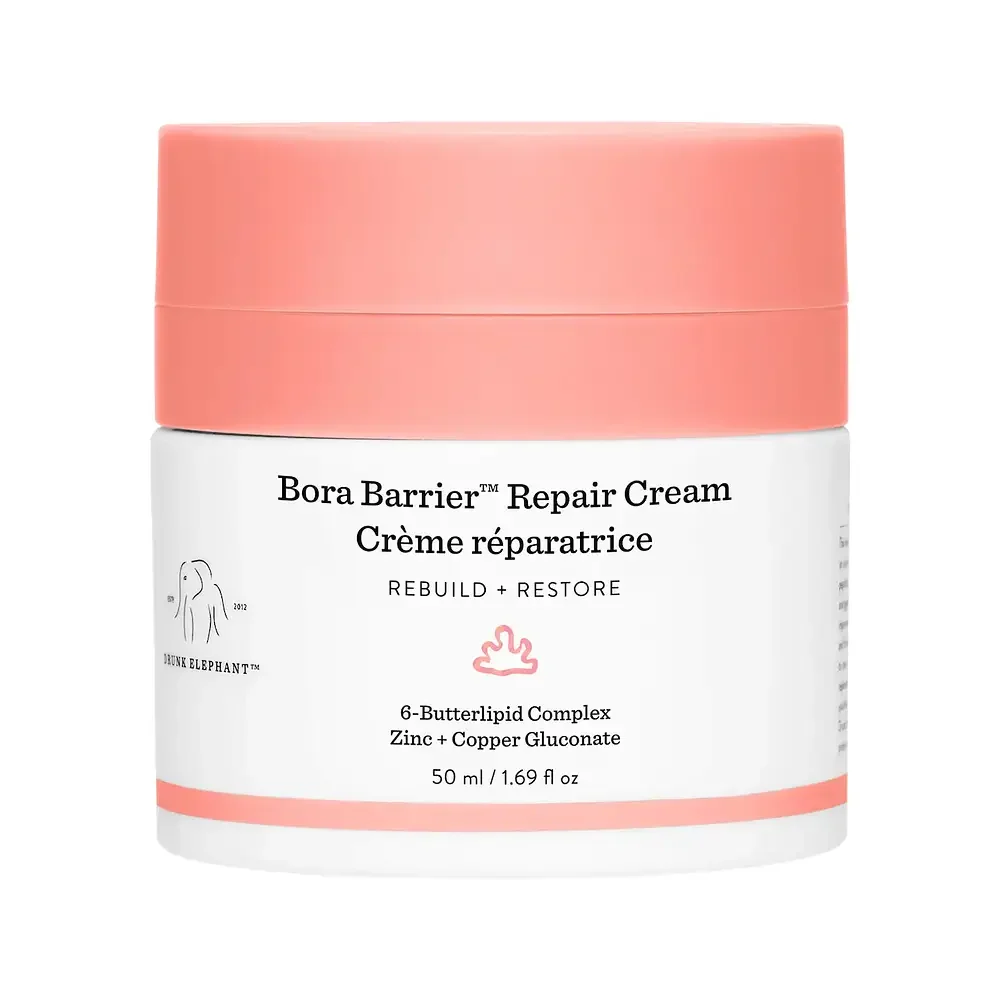

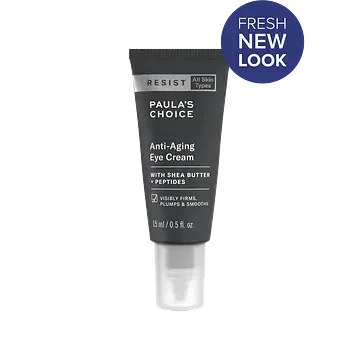
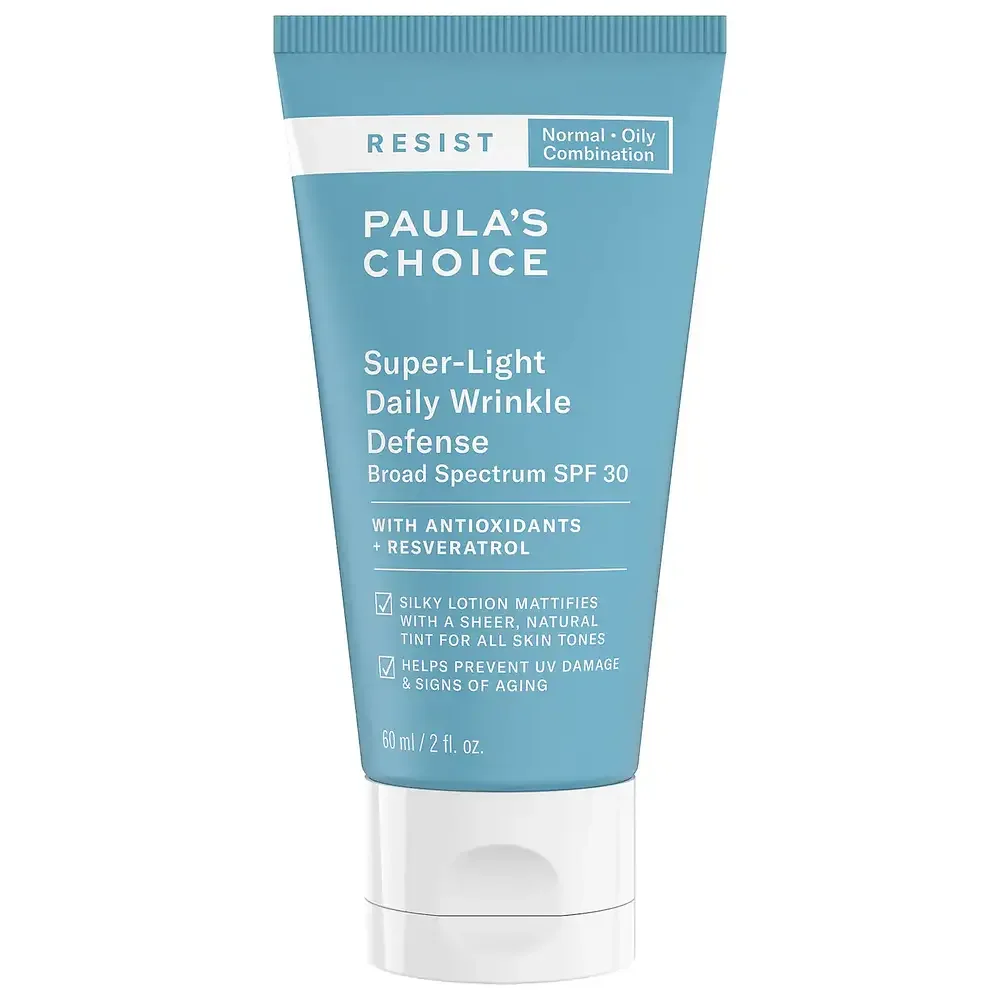
Always scan the actual label before use — formulations change.
What is resveratrol?
Resveratrol is a polyphenol — a plant antioxidant — found in grape skins, red wine, peanuts, and (the main commercial source) Japanese knotweed. Plants make it to defend against fungal attack and UV stress. Topically it does two things well: it's a genuine antioxidant that neutralises UV- and pollution-driven free radicals, and it has anti-inflammatory effects that calm reactive skin.
You'll also see big claims about resveratrol activating sirtuins (longevity-linked enzymes). That research is mostly oral and in-vitro, so the dramatic topical anti-aging marketing gets ahead of the evidence — but its antioxidant credentials are solid.
Why it's almost never a problem
Resveratrol is one of the better-tolerated antioxidants — patch-test contact dermatitis is very rare, and it's rated safe at the levels used (0.5–3%) and pregnancy-safe. A few practical notes:
- Colour — a yellowish or pinkish tint is normal (the polyphenol's own colour).
- Stability — more stable than vitamin C but still air/light-sensitive; opaque packaging helps.
- Synergy — pairs especially well with ferulic acid (hence popular "resveratrol + ferulic" serums).
How to use it well
- Use it in an antioxidant stack (with vitamin C/E/ferulic), not as a solo fix.
- Morning or night — morning adds pollution/UV defence.
- Pair with sunscreen — it boosts, doesn't replace, SPF.
- Store away from light/heat.
- Prefer combination formulas (resveratrol + ferulic) for value.
Alternatives
- Most evidence: a CEF stack (vitamin C + E + ferulic).
- Other antioxidants: vitamin E, niacinamide, astaxanthin.
- Direct brightening: niacinamide, alpha arbutin, tranexamic acid.
- Even milder: green tea extract, centella.
The bottom line
Resveratrol is a gentle, low-allergy plant antioxidant that earns its place as a team player — strongest paired with ferulic acid and the rest of an antioxidant routine. Keep expectations realistic on the "longevity" hype, and let it support sunscreen rather than stand in for it.
Was this article helpful?
One tap tells us what to write more of. No account needed.
Is this ingredient in your products?
Scan any cosmetic product to check for Resveratrol and 30+ other allergens instantly.