
Retinol
The most-proven anti-aging active — and an irritant, not an allergen, so most "retinol reactions" are the ingredient working, not your skin rejecting it
INCIRetinol
- Category
- Active
- Risk level
- medium
- What it is
- An over-the-counter retinoid that converts in skin to retinoic acid — the same active molecule as prescription tretinoin, just weaker
- Reaction type
- Irritant (dose-dependent), not a true allergen — most "reactions" are retinization
- Concentration
- 0.1% is beginner-friendly, 0.3% standard, 1% the usual OTC ceiling
- Pregnancy
- Avoid all retinoids in pregnancy and breastfeeding
Look for these names on ingredient lists
This ingredient may appear under any of these names:
Commonly found in
Possible reactions
- Dryness, flaking, and peeling during the initial "retinization" phase
- Redness and burning, especially in sensitive skin
- Increased sun sensitivity
- Purging (temporary breakouts) in the first weeks
- Stinging on damp or freshly washed skin
Top picks without Retinol
Highly rated products whose ingredient lists don't include Retinol.
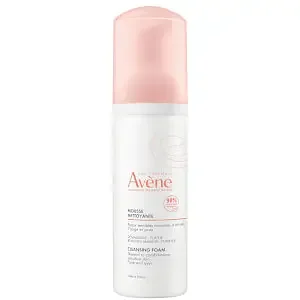
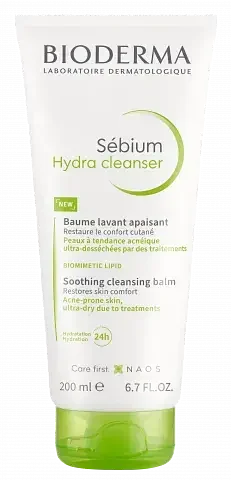
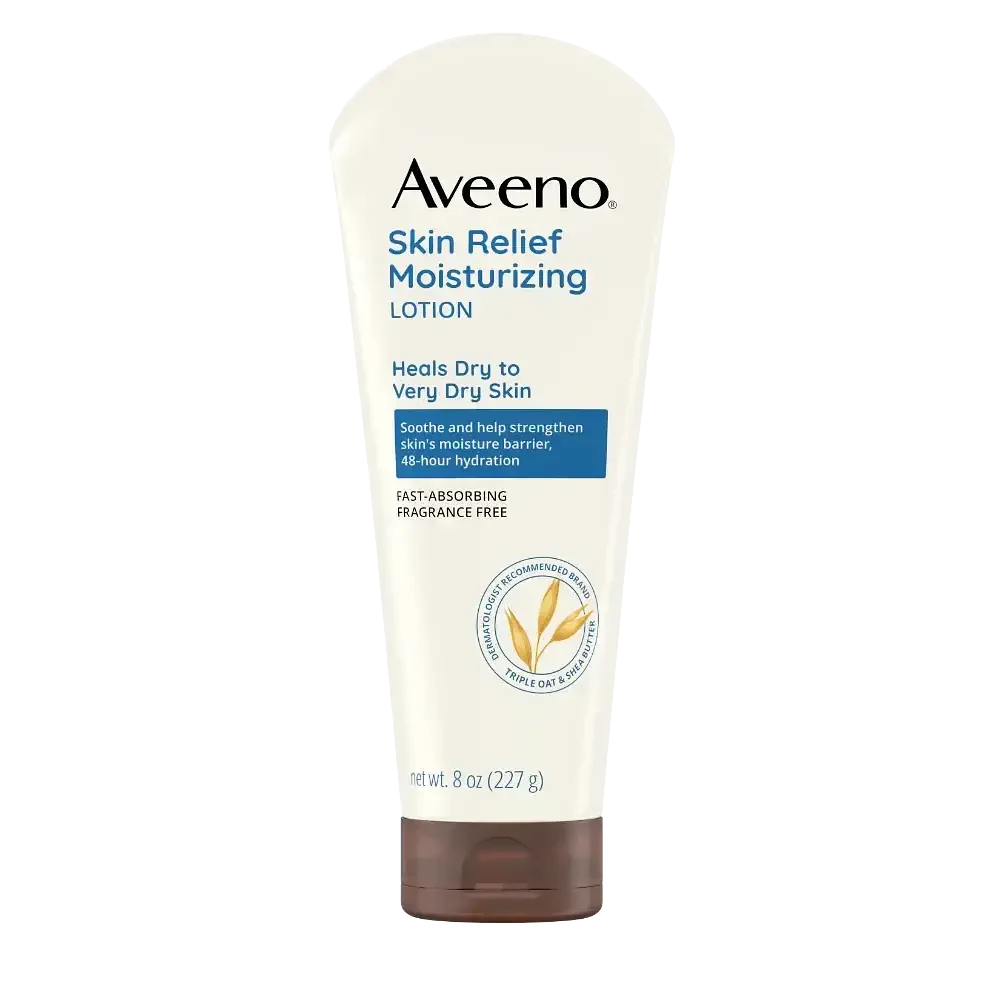
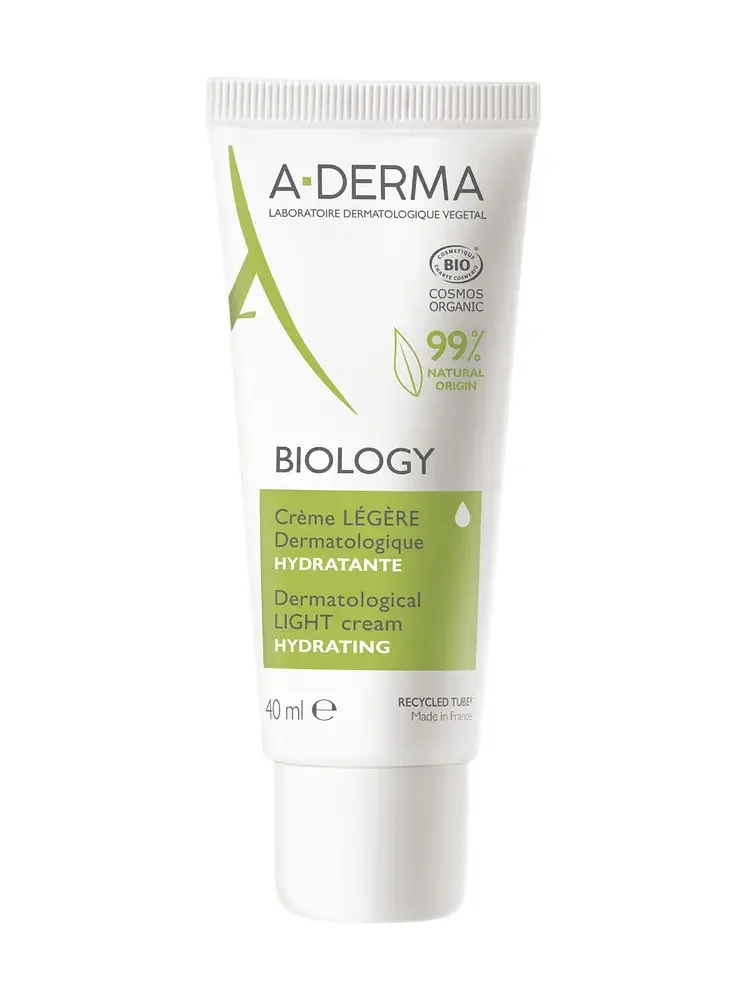
As an Amazon Associate, AllerNote earns from qualifying purchases.
Always scan the actual label before use — formulations change.
What is retinol?
Retinol is a form of vitamin A and one of the most clinically studied actives in all of dermatology. Applied to skin, it converts through two enzymatic steps into retinoic acid — the same active molecule as prescription tretinoin, just reached more slowly and at lower potency. Retinoic acid switches on a cascade of effects: faster cell turnover, collagen stimulation, fading of hyperpigmentation, unclogging of pores, and thickening of the dermis. It remains the single most-proven topical anti-aging ingredient.
It sits on a "retinoid ladder" of increasing strength: retinyl esters (gentlest) → retinol → retinaldehyde → prescription tretinoin (strongest). Stronger means faster results but more irritation.
Irritant, not allergen — why that matters
This is the most useful thing to understand about retinol: the dryness, flaking, redness, and stinging it causes are irritation, not allergy. During the first 4–8 weeks (the "retinization" phase), turnover speeds up faster than the surface barrier can keep up, so the skin is temporarily drier and more reactive. That's dose-dependent — it scales with strength and frequency — and it's the ingredient doing its job, not your immune system rejecting it.
The practical consequence: if retinol "irritates" you, the answer is usually to use less, less often, and buffer it — not to give up. True allergic contact dermatitis to retinol itself is uncommon; if you get a genuine itchy rash, a fragrance or other active in the same product is the more likely cause.
This distinction matters for label-reading. People email things like "I'm allergic to retinol," but when we look at the product, the rash lines up better with the fragrance or an essential oil in the formula. Retinol irritation and a fragrance allergy need completely different fixes — which is exactly why checking the whole ingredient list against your triggers beats blaming the headline active. — Snehal
Key things to know
- Sun sensitivity. Retinol increases UV vulnerability — daily sunscreen is non-negotiable, and skipping it undoes the benefit.
- Purging vs breakout. Some users break out more in the first weeks as clogged pores surface; this typically resolves by week 6–8.
- Pregnancy. Avoid all retinoids during pregnancy and breastfeeding. Bakuchiol is the evidence-backed alternative.
- Combinations. Don't pair with benzoyl peroxide in the same application (it can deactivate many retinols); alternate, don't stack, with strong acids.
How to use it well
- Start low and slow — 0.1–0.3%, twice a week, building frequency over 4–8 weeks.
- Apply to dry skin — wait 10–15 minutes after cleansing; damp skin increases penetration and irritation.
- Try the "sandwich" method for sensitive skin — moisturiser, then retinol, then moisturiser.
- Sunscreen every morning — SPF is part of the routine, not optional.
- Don't stack irritants — keep strong AHAs/BHAs and benzoyl peroxide to other nights.
Gentler or alternative options
- Pregnancy: bakuchiol (retinol-like, plant-derived), plus niacinamide and azelaic acid for tone/texture.
- Sensitive skin: retinyl esters (gentler, weaker) or a lower-strength retinol used less often.
- Stronger results: retinaldehyde (one step closer to retinoic acid) or, via a clinician, prescription tretinoin.
The bottom line
Retinol is the gold-standard anti-ager, and most "reactions" to it are predictable, temporary irritation rather than allergy — manage them with lower strength, lower frequency, buffering, and sunscreen. The two hard rules: no retinoids in pregnancy, and if you get a true rash, check the rest of the formula (fragrance especially) before blaming the retinol.
Was this article helpful?
One tap tells us what to write more of. No account needed.
Is this ingredient in your products?
Scan any cosmetic product to check for Retinol and 30+ other allergens instantly.