
Salicylic Acid
The oil-soluble BHA and the most effective single ingredient for blackheads and mild acne — an irritant, with one real allergy caveat for aspirin-sensitive people
INCISalicylic Acid
- Category
- Exfoliant
- Risk level
- medium
- Why it is special
- Oil-soluble, so unlike AHAs it penetrates through sebum into the pore itself
- Reaction type
- Mainly irritant/drying; true allergy is uncommon but possible in aspirin-sensitive people
- Concentration
- 0.5–2% in leave-on cosmetics (CIR-rated safe to 2%); up to ~30% in professional peels
- Pregnancy
- Topical up to 2% generally considered acceptable; avoid high-strength peels and oral salicylates
Look for these names on ingredient lists
This ingredient may appear under any of these names:
Commonly found in
Possible reactions
- Dryness and flaking, especially in the first weeks
- Stinging and redness
- Purging (temporary acne flare) as pores clear
- Increased sun sensitivity
- Possible reaction in people with severe aspirin/salicylate sensitivity
Top picks without Salicylic Acid
Highly rated products whose ingredient lists don't include Salicylic Acid.
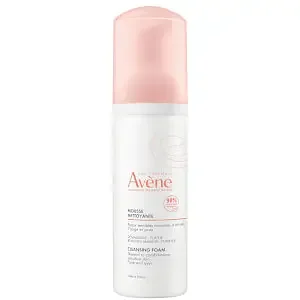
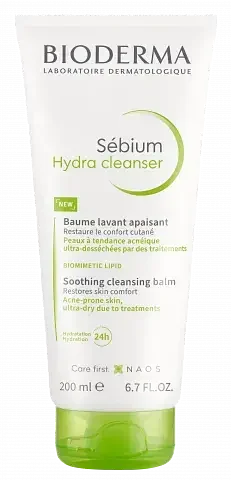
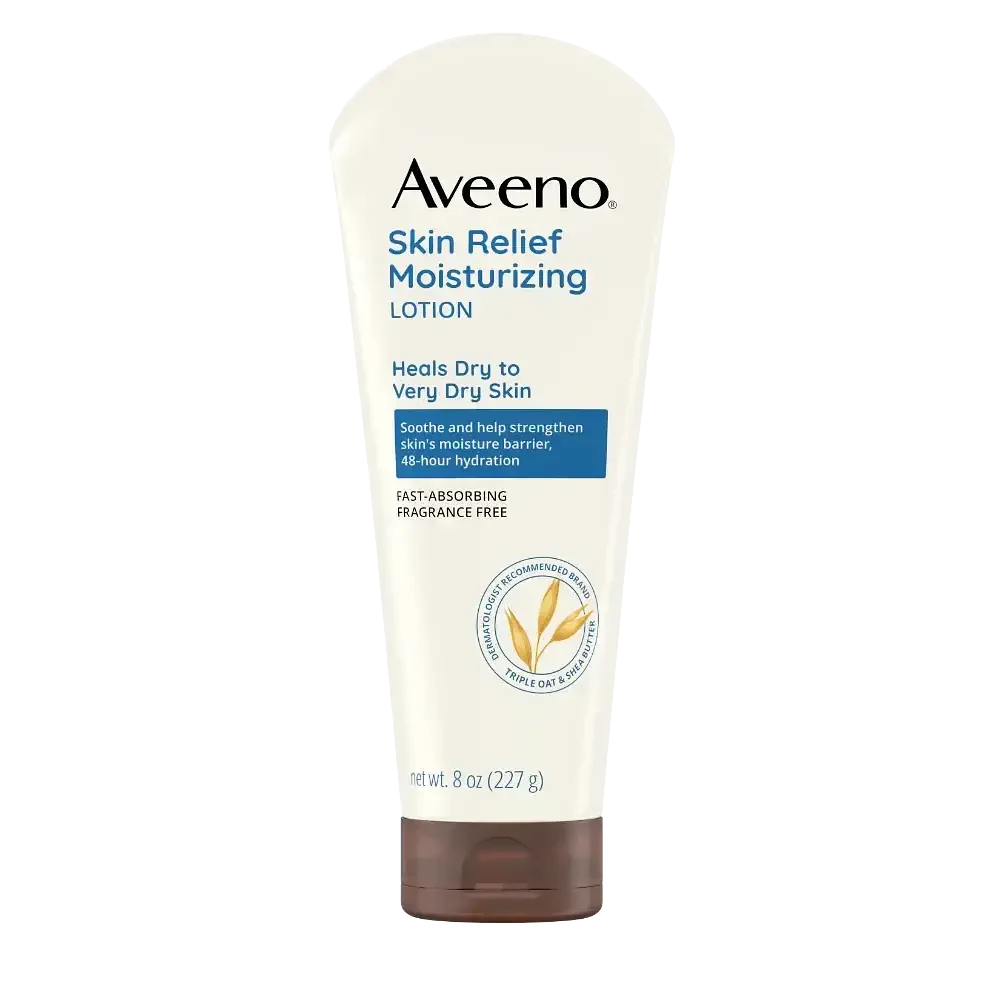
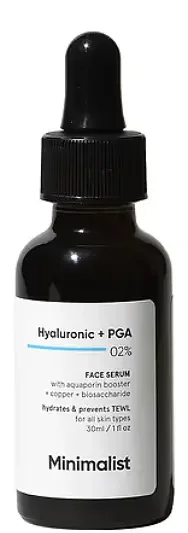
As an Amazon Associate, AllerNote earns from qualifying purchases.
Always scan the actual label before use — formulations change.
What is salicylic acid?
Salicylic acid is a beta hydroxy acid (BHA) — a close chemical cousin of aspirin, originally derived from willow bark. Its superpower is being oil-soluble: unlike water-soluble AHAs such as glycolic acid, salicylic acid can penetrate through the sebum in your pores and exfoliate from inside the pore itself. That's why it's the single most effective topical ingredient for blackheads, whiteheads, and mild-to-moderate acne.
It also brings anti-inflammatory activity (from its aspirin-like chemistry), which calms the redness and swelling of active breakouts, plus mild antibacterial action. Few single ingredients hit clogged pores, excess oil, and inflammation all at once the way it does.
Irritation vs. the aspirin caveat
For most people, salicylic acid's downsides are irritation, not allergy. At 2% it can be genuinely drying — expect possible dryness, tightness, mild flaking, and stinging in the first 2–4 weeks. Oily skin usually tolerates it better (more sebum to buffer it); dry and sensitive skin should go slower or spot-treat.
The one real allergy nuance is the aspirin connection. Because salicylic acid is structurally related to aspirin (acetylsalicylic acid), a minority of people with significant aspirin or salicylate sensitivity can react to it topically. If that's you, introduce it cautiously or patch test first.
Other cautions:
- Sun sensitivity — like all exfoliants, it increases UV vulnerability; daily SPF is essential.
- Purging — a temporary first-weeks flare as pores clear, usually settling by ~week 6.
- Pregnancy — topical ≤2% is generally considered acceptable; avoid strong peels and oral salicylates.
How to use it well
- Start with a wash — a 2% cleanser is the gentlest introduction.
- Add a leave-on after ~2 weeks — a 1–2% toner or serum, a few nights a week, once the wash is comfortable.
- Spot-treat if your skin is dry/sensitive — target blackhead and acne zones rather than the whole face.
- Daily SPF — non-negotiable with any exfoliant.
- Expect early purging — don't quit in weeks 2–4 if it's the normal flare.
Alternatives
- Sensitive skin, mild acne: mandelic acid (gentler, mild antibacterial).
- Severe acne: benzoyl peroxide, adapalene, or prescription retinoids — see a dermatologist.
- Blackheads without much sting: low-strength 0.5% BHA or BHA body washes.
- Pregnancy acne: azelaic acid is pregnancy-safe and effective for inflammatory acne.
The bottom line
Salicylic acid is the best single ingredient for clogged pores and mild acne, and for most people its drawbacks are predictable dryness and irritation managed by going low-and-slow with sunscreen. The genuine allergy flag is narrow: if you're seriously aspirin/salicylate-sensitive, treat it with caution and patch test.
Was this article helpful?
One tap tells us what to write more of. No account needed.
Is this ingredient in your products?
Scan any cosmetic product to check for Salicylic Acid and 30+ other allergens instantly.