
Squalane
A weightless oil that mimics your own sebum — non-comedogenic, oxidation-stable, and about as low-allergy as a face oil gets
INCISqualane
- Category
- Emollient
- Risk level
- low
- Mimics your sebum
- Skin oil naturally contains squalene; squalane is its stable, hydrogenated cousin
- Non-comedogenic
- Rated about 0–1 on the 0–5 comedogenic scale
- Tolerability
- True allergy essentially unheard of; safe even around the eyes
- Sourcing
- Modern squalane is olive- or sugarcane-derived; shark-liver squalane is now avoided by most brands
Look for these names on ingredient lists
This ingredient may appear under any of these names:
Commonly found in
Possible reactions
- Essentially no allergic reactions reported
- Non-comedogenic for most users, including acne-prone skin
- Very rare clogged pores in extremely oily skin (usually overuse)
- Oxidation-stable — does not turn rancid easily
Top picks with Squalane
Highly rated products that feature Squalane in their ingredient list.


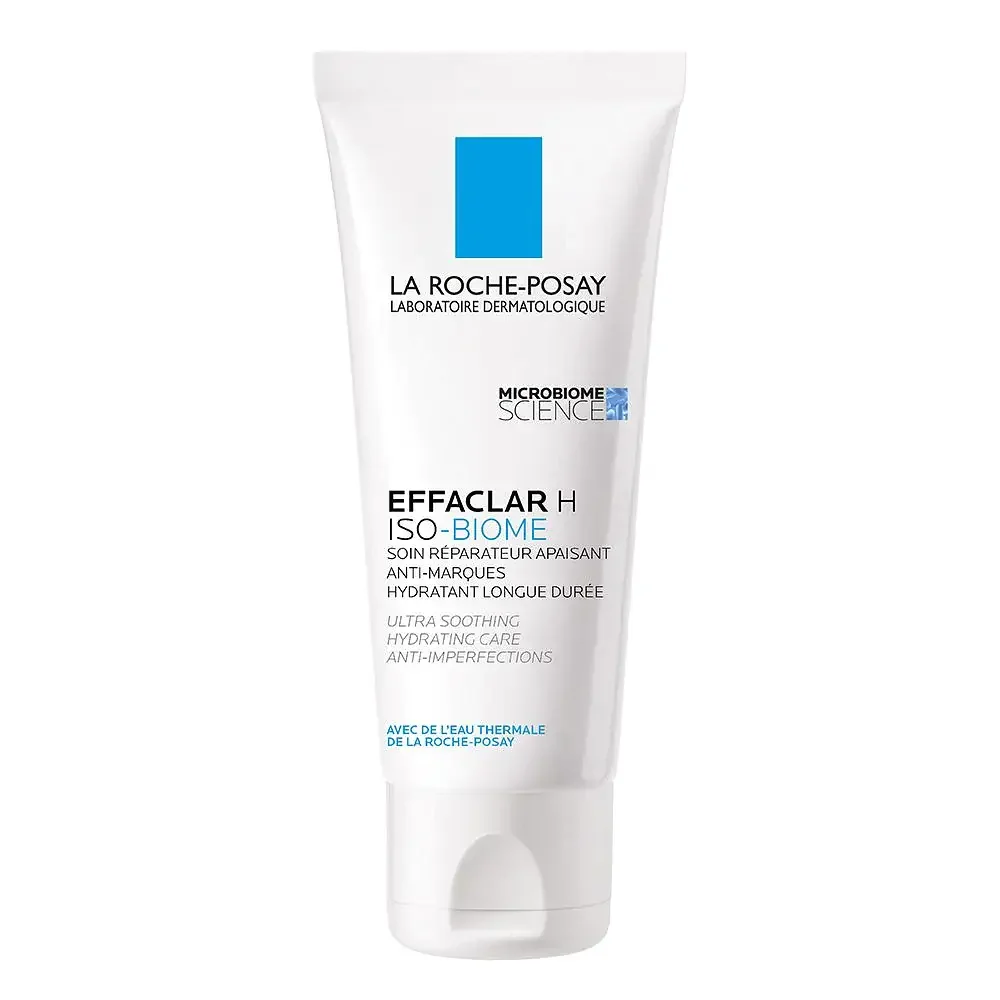
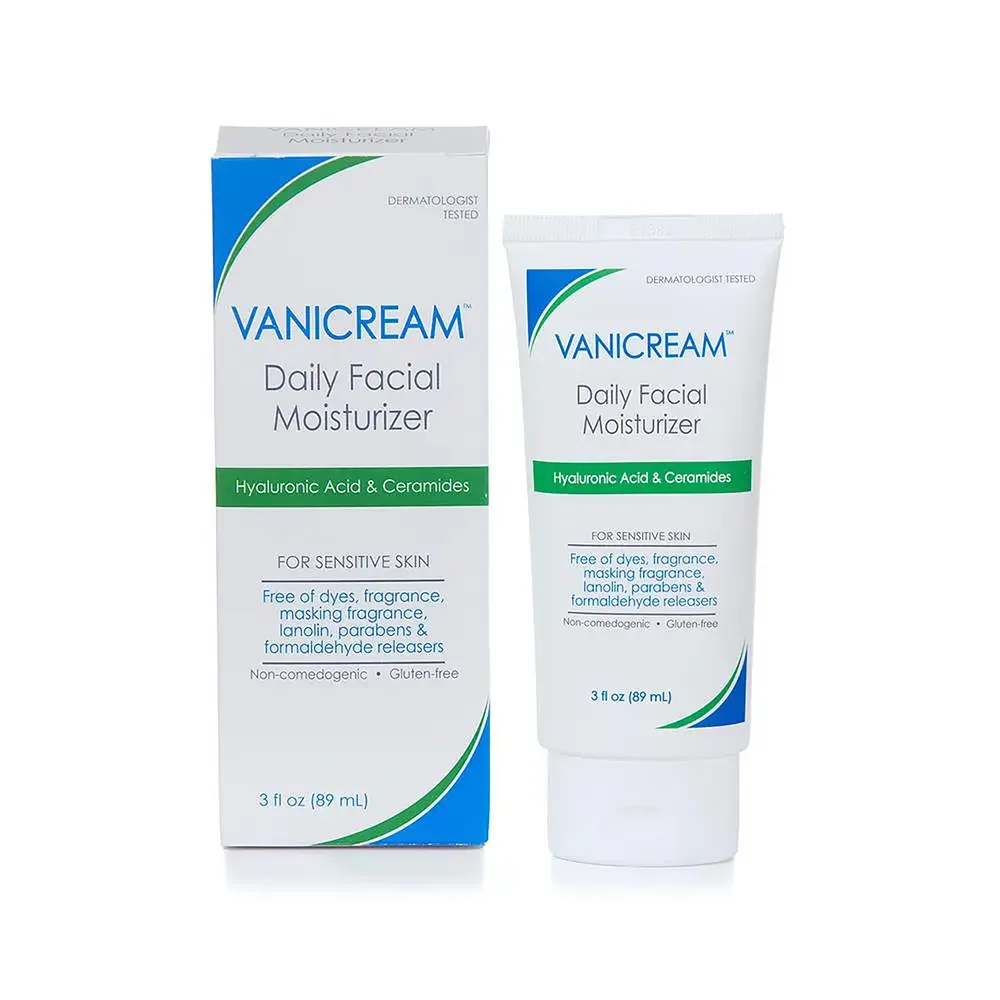
As an Amazon Associate, AllerNote earns from qualifying purchases.
Always scan the actual label before use — formulations change.
What is squalane?
Squalane is a saturated hydrocarbon — a clear, odourless, slightly viscous oil that closely mimics a lipid your own skin makes. Your sebum naturally contains squalene (with an "e"), an unsaturated lipid that oxidises quickly. Squalane (with an "a") is the hydrogenated, stabilised version: the same skin-friendly chemistry, but shelf-stable and resistant to going rancid.
For decades squalane was extracted from shark liver; the modern industry has shifted almost entirely to plant-derived squalane from olives, sugarcane, rice bran, or wheat germ. Most brands now specify a plant source on the label.
Why it's so well tolerated
Squalane is one of the rare oils that's non-comedogenic for almost everyone, including oily and acne-prone skin. Because it feels identical to natural sebum, it absorbs cleanly without the heavy, occlusive film of oils like coconut. It's rated safe at all cosmetic concentrations, and true allergy to squalane is essentially unheard of.
The only common complaint is a slightly greasy feel — and that's almost always overuse, fixed by using a few drops rather than a few squirts. It also pairs beautifully with retinoids: a single drop mixed into a retinol or tretinoin moisturiser noticeably cuts dryness and peeling without diluting the active.
How to use it well
- A few drops, not a lot — 2–4 drops covers the whole face.
- Apply on damp skin — over a humectant (HA or a hydrating toner), so it seals in water.
- Mix into your moisturiser for slip, glow, and a light barrier effect.
- Use as a retinol buffer — reduces irritation without reducing efficacy.
- Choose plant-derived for a sustainable, shark-free source.
Alternatives
- Find it greasy? lightweight silicones (dimethicone) or a gel moisturiser with sodium hyaluronate.
- Deeper repair: ceramide-based moisturisers complement squalane's surface softening.
- Very dry climates: a heavier occlusive (shea butter, petrolatum) holds moisture longer.
The bottom line
Squalane is the safest face oil to reach for — sebum-like, non-comedogenic, oxidation-stable, and with allergy effectively a non-issue. If it ever feels greasy, you're simply using too much.
Was this article helpful?
One tap tells us what to write more of. No account needed.
Is this ingredient in your products?
Scan any cosmetic product to check for Squalane and 30+ other allergens instantly.