
Succinic Acid
A mild, fermentation-derived acid for spot-treating breakouts — gentle and low-allergy, but less proven than the classics
INCISuccinic Acid
- Category
- Active
- Risk level
- low
- What it is
- A small dicarboxylic acid (a cousin of azelaic acid); made by fermentation of sugars
- How it works
- Antibacterial, anti-inflammatory, and mildly sebum-balancing — not primarily an exfoliant
- Tolerability
- Gentle and low-allergy; fine for sensitive skin and spot use
- Limitation
- Less clinical evidence and less potent than salicylic acid or benzoyl peroxide
Look for these names on ingredient lists
This ingredient may appear under any of these names:
Commonly found in
Possible reactions
- Very rare allergic reactions
- Mild tingling on application
- No significant dryness
- No sun sensitivity
- Suitable for sensitive, reactive skin
Top picks with Succinic Acid
Highly rated products that feature Succinic Acid in their ingredient list.
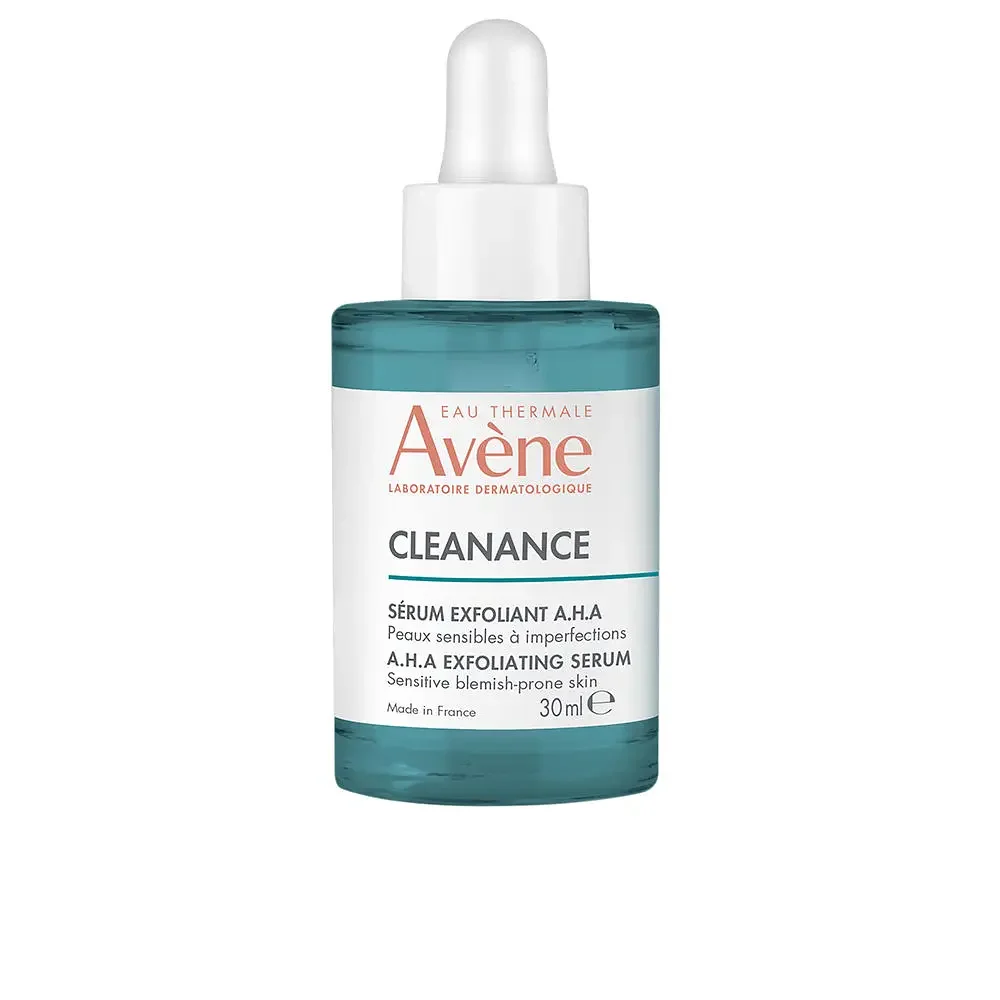
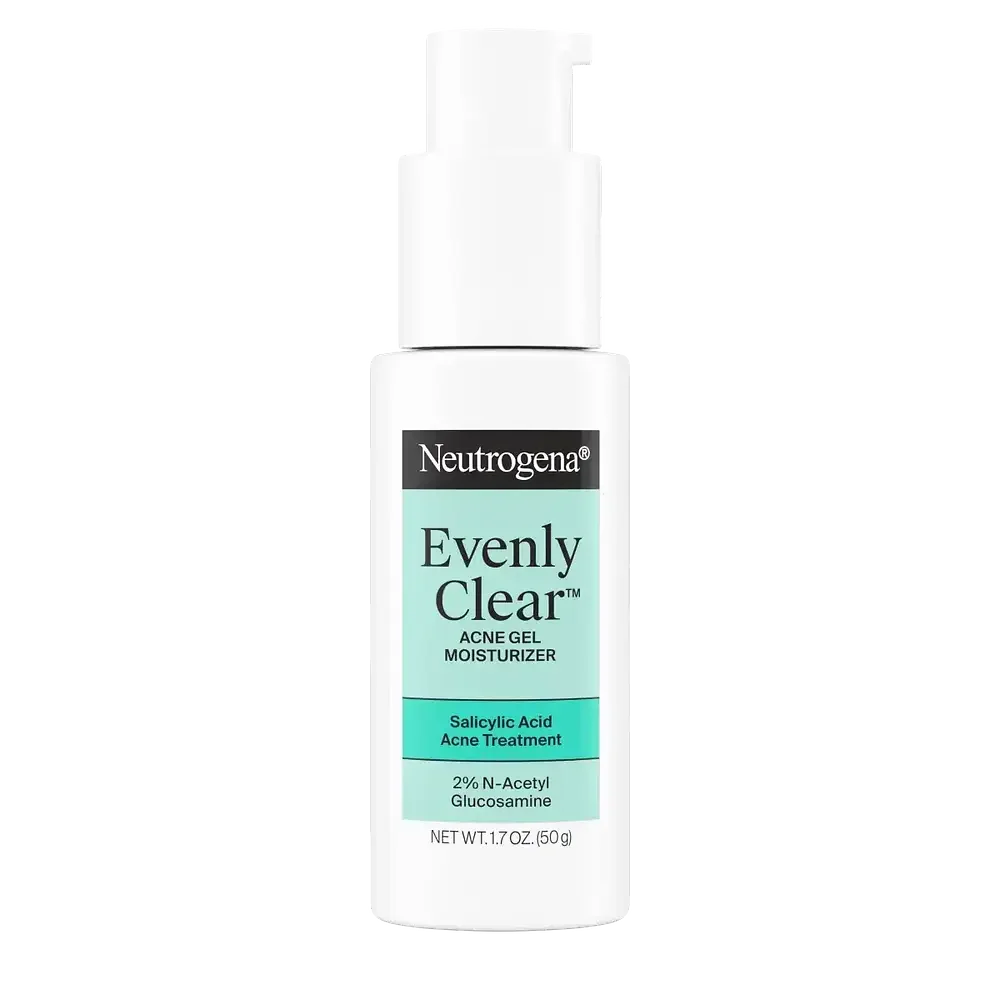
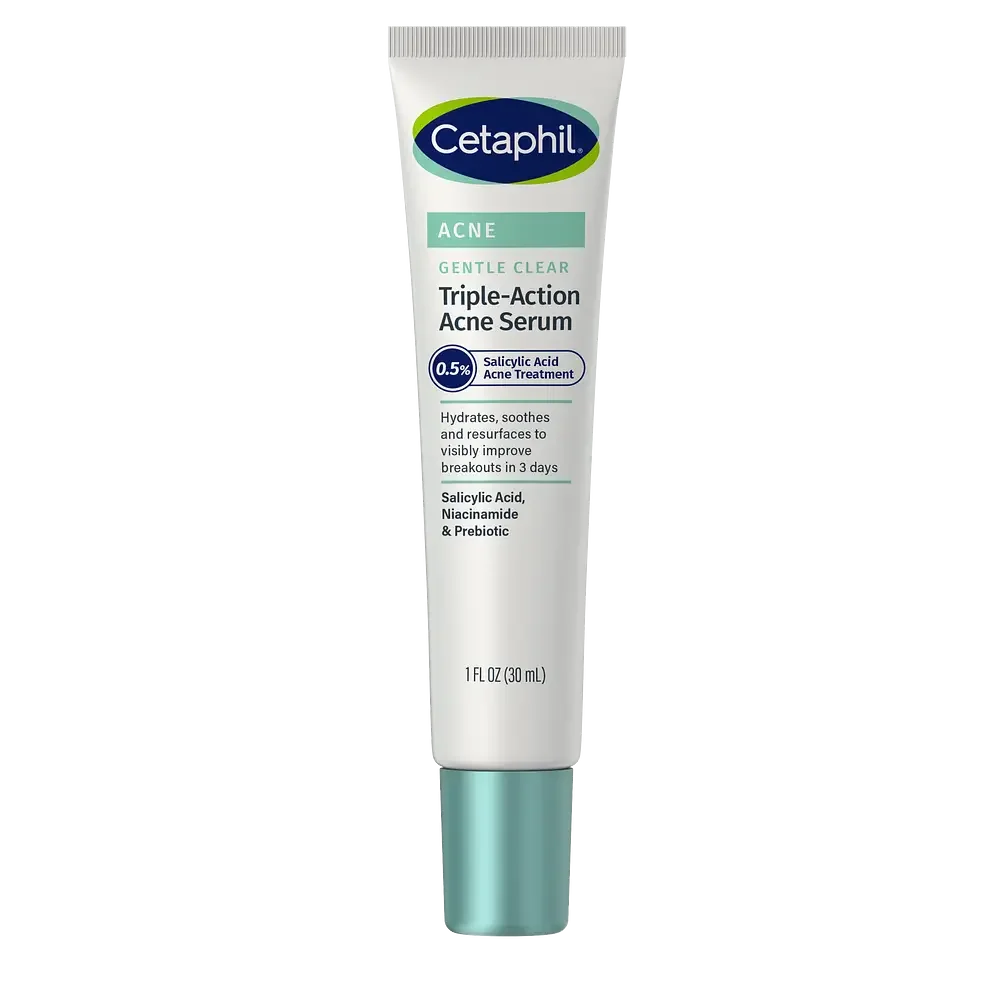
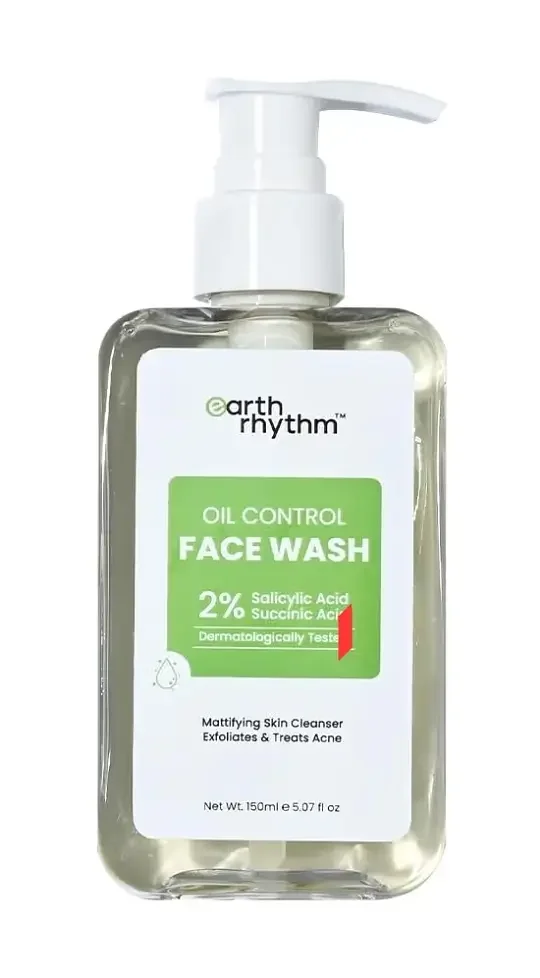
Always scan the actual label before use — formulations change.
What is succinic acid?
Succinic acid is a small dicarboxylic acid — chemically a close cousin of azelaic acid — that occurs naturally in amber (hence its name, from the Latin succinum) and is a normal intermediate in your own cells' energy cycle. Cosmetic succinic acid is made by fermentation of sugars, making it sustainable and vegan.
It moved into the skincare mainstream via gentle, drugstore spot treatments, positioned as a milder alternative to salicylic acid. It works through a mix of antibacterial action against acne bacteria, anti-inflammatory effects that calm redness and swelling, and mild sebum balancing — and notably, it is not primarily an exfoliant the way AHAs and BHAs are.
Why it's so well tolerated
Succinic acid is gentle, non-sensitising, and suitable for most skin types including sensitive and reactive skin. Contact dermatitis is very uncommon, and it's rated safe at cosmetic concentrations (typically 1–2%). Unlike salicylic acid, it doesn't cause significant dryness, peeling, or sun sensitivity.
Its honest limitation is evidence and potency: the clinical research behind it is modest next to the decades supporting salicylic acid or benzoyl peroxide. So it's a lovely gentle spot treatment for mild or occasional breakouts and sensitive skin — but not a replacement for stronger actives when acne is persistent or severe.
How to use it well
- Spot-treat individual breakouts rather than the whole face.
- Morning or night — stable, no sun sensitivity.
- Layer with niacinamide for a gentle, calming acne pairing.
- Set realistic expectations — gradual and mild, not dramatic.
- Escalate if needed — see a dermatologist for stubborn or severe acne.
Alternatives
- Stronger acne actives: salicylic acid, benzoyl peroxide, adapalene.
- Gentle with more evidence: azelaic acid (also pregnancy-safe).
- Sensitive-skin exfoliation: mandelic acid.
- Severe acne: prescription options via a dermatologist.
The bottom line
Succinic acid is a genuinely gentle, low-allergy spot treatment for mild breakouts — a nice option for sensitive skin that can't tolerate stronger acids. Just don't expect it to match the proven heavy hitters; for real acne, it's a helper, not the main treatment.
Was this article helpful?
One tap tells us what to write more of. No account needed.
Is this ingredient in your products?
Scan any cosmetic product to check for Succinic Acid and 30+ other allergens instantly.