
Tinosorb M (Bisoctrizole)
A hybrid filter that both absorbs and reflects UV — broad-spectrum, photostable, low white cast, and very low allergy
INCIMethylene Bis-Benzotriazolyl Tetramethylbutylphenol
- Category
- Sunscreen / UV Filter
- Risk level
- low
- Hybrid filter
- A microparticle that both absorbs (like a chemical filter) and reflects/scatters (like a mineral) UV
- Broad-spectrum + photostable
- Covers UVB and UVA1/UVA2 (~280–400 nm) and helps stabilise other filters
- Availability
- Approved across the EU/Asia/Australia; NOT FDA-approved in the US
- Tolerability
- Large microparticle, minimal penetration, allergy essentially unheard of; little white cast
Look for these names on ingredient lists
This ingredient may appear under any of these names:
Commonly found in
Possible reactions
- Allergic reactions extremely rare
- No photodegradation
- No sun sensitivity
- Minimal systemic absorption
Top picks with Tinosorb M (Bisoctrizole)
Highly rated products that feature Tinosorb M (Bisoctrizole) in their ingredient list.
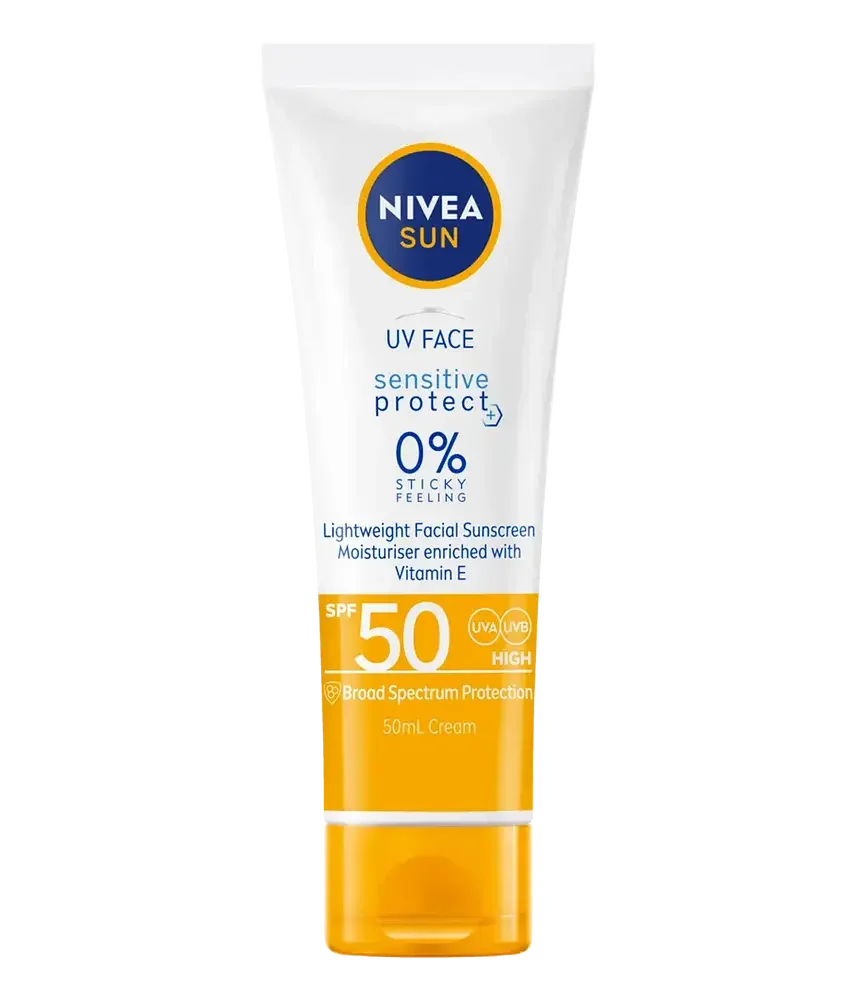
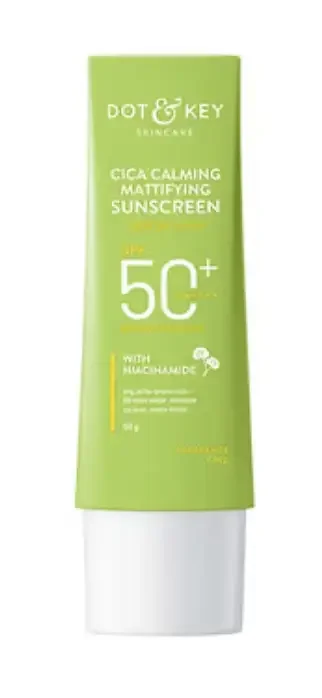
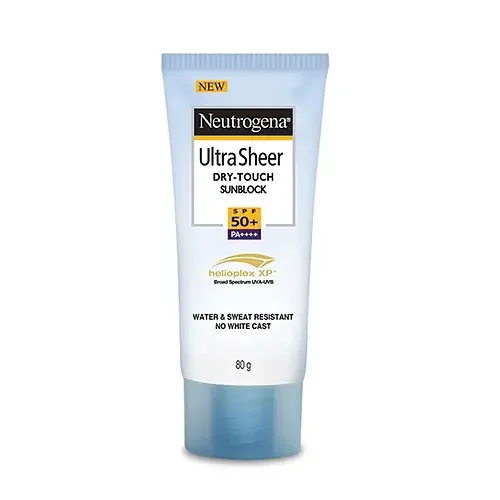
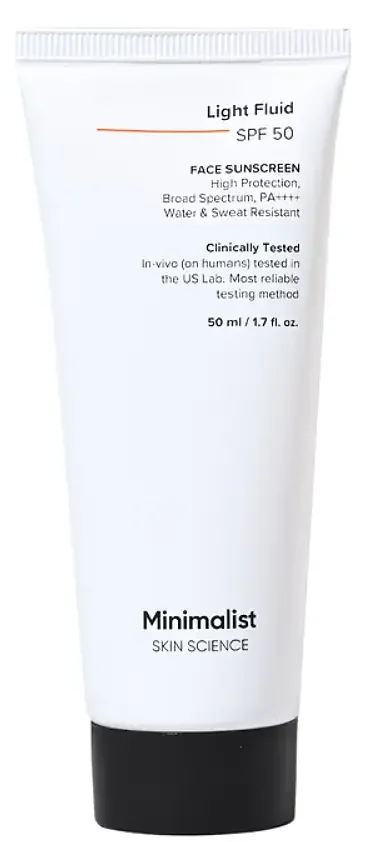
As an Amazon Associate, AllerNote earns from qualifying purchases.
Always scan the actual label before use — formulations change.
Scan a product for this concern
What is Tinosorb M?
Tinosorb M (INCI: Methylene Bis-Benzotriazolyl Tetramethylbutylphenol; also bisoctrizole) is an unusually clever UV filter because it works by two mechanisms at once: formulated as microparticles, it absorbs UV like a chemical filter and reflects/scatters it like a mineral filter. That hybrid action makes it highly effective across the full UV spectrum and very stable in sunlight.
Developed by BASF and EU-approved in 2000, it's a photostable, broad-spectrum filter (UVB + UVA1/UVA2). It's one of the "Tinosorb twins" with Tinosorb S, and premium European sunscreens often combine the two. Like the other modern filters, it is not FDA-approved in the US.
Why it's so well tolerated
Tinosorb M is a very large molecule (~659 Da), formulated as microparticles that don't penetrate intact skin — so systemic absorption is minimal and contact dermatitis is essentially unheard of. The EU has confirmed it safe up to 10%.
- Hybrid protection — a "belt-and-braces" absorb-plus-reflect approach.
- Photostable + stabiliser — doesn't degrade, and helps hold other filters together.
- Low white cast — its physical component is engineered to be near-invisible.
- Sensitive/children — a common choice for gentle and kids' formulas.
How to use it well
- Look for it by name — Methylene Bis-Benzotriazolyl Tetramethylbutylphenol / Bisoctrizole.
- Combine with Tinosorb S for the most complete coverage.
- Reapply every 2–3 hours outdoors.
- Apply generously — two finger-lengths for face and neck.
- A strong pick for melasma and sensitive skin alike.
Alternatives
- Most conservative: mineral sunscreens (zinc oxide, titanium dioxide).
- Companion filters: Tinosorb S, Uvinul A Plus, Mexoryl (EU/Asia, not US).
- US users: mineral sunscreens (Tinosorb isn't FDA-approved).
The bottom line
Tinosorb M is a best-of-both-worlds hybrid filter — chemical absorption plus mineral-style reflection — that's broad-spectrum, photostable, low-cast, and extremely low-allergy. Pair it with Tinosorb S for top-tier protection; the only catch is it's unavailable in US sunscreens.
Was this article helpful?
One tap tells us what to write more of. No account needed.
Is this ingredient in your products?
Scan any cosmetic product to check for Tinosorb M (Bisoctrizole) and 30+ other allergens instantly.