
Titanium Dioxide
A mineral UV filter (and white pigment) that pairs with zinc oxide for gentle, low-allergy sun protection
INCITitanium Dioxide
- Category
- Sunscreen / UV Filter
- Risk level
- low
- What it covers
- UVB + short UVA (~290–350 nm) — strong on UVB, weaker on deep UVA than zinc oxide
- Usually paired with zinc
- Quality mineral sunscreens combine TiO2 + ZnO for full broad-spectrum coverage
- Dual identity
- Also the main white pigment (CI 77891) in foundations and concealers
- Tolerability
- One of the least irritating, lowest-allergy filters; pregnancy- and infant-safe
Look for these names on ingredient lists
This ingredient may appear under any of these names:
Commonly found in
Possible reactions
- Extremely rare allergic reactions
- White cast on deeper skin tones
- Can clog pores in heavy occlusive bases
- No sun sensitivity
- Safe in pregnancy and for children
Top picks with Titanium Dioxide
Highly rated products that feature Titanium Dioxide in their ingredient list.
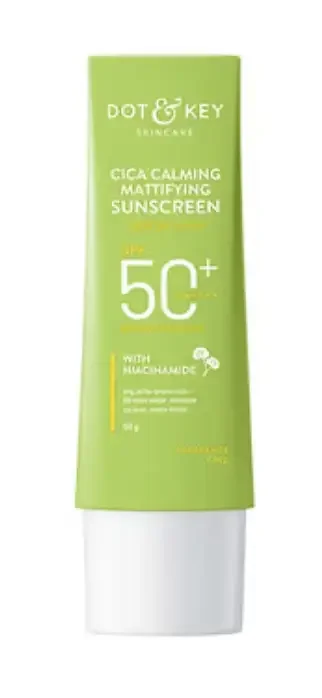
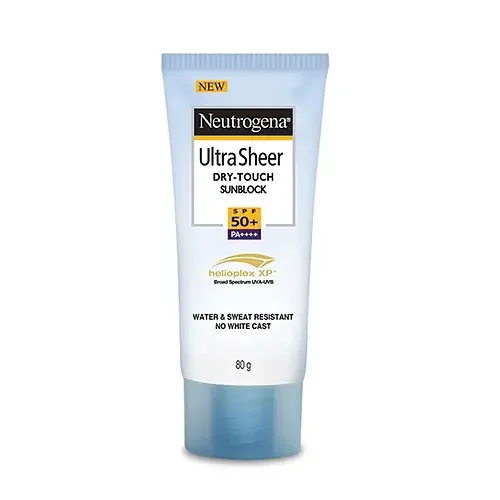
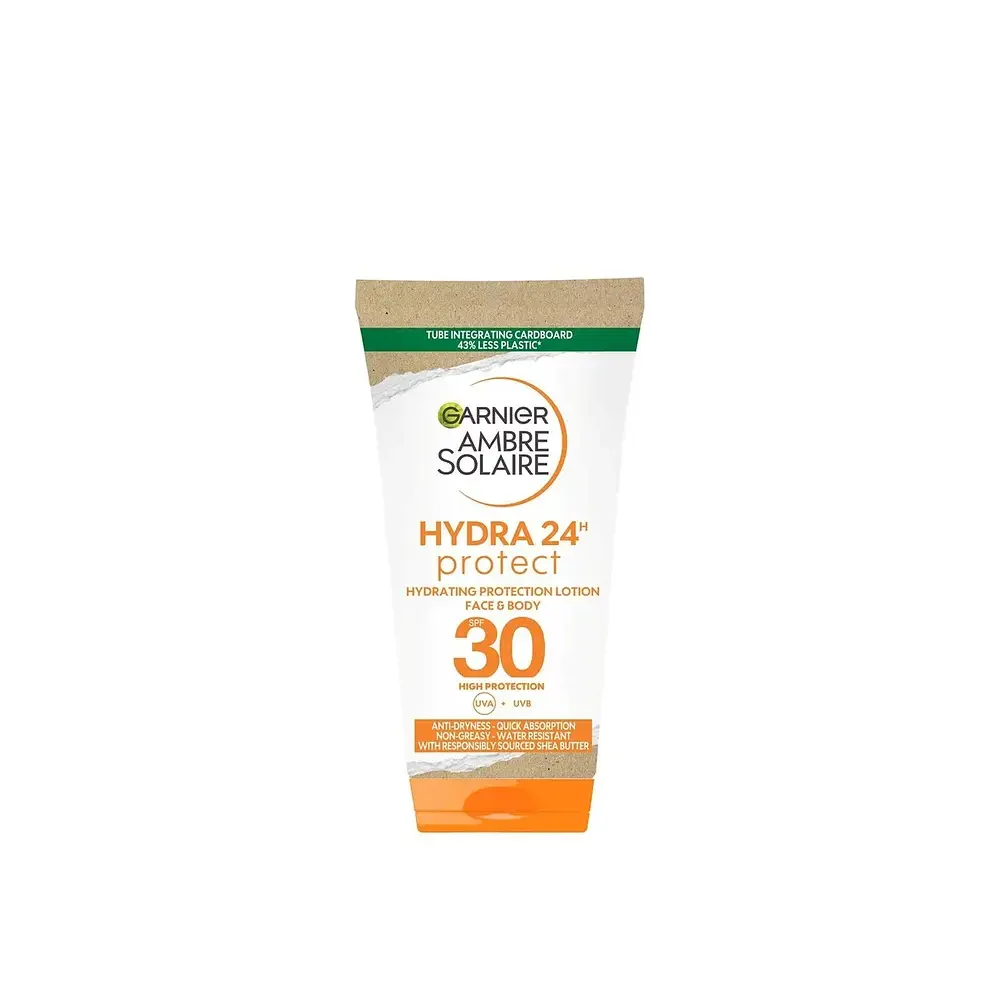
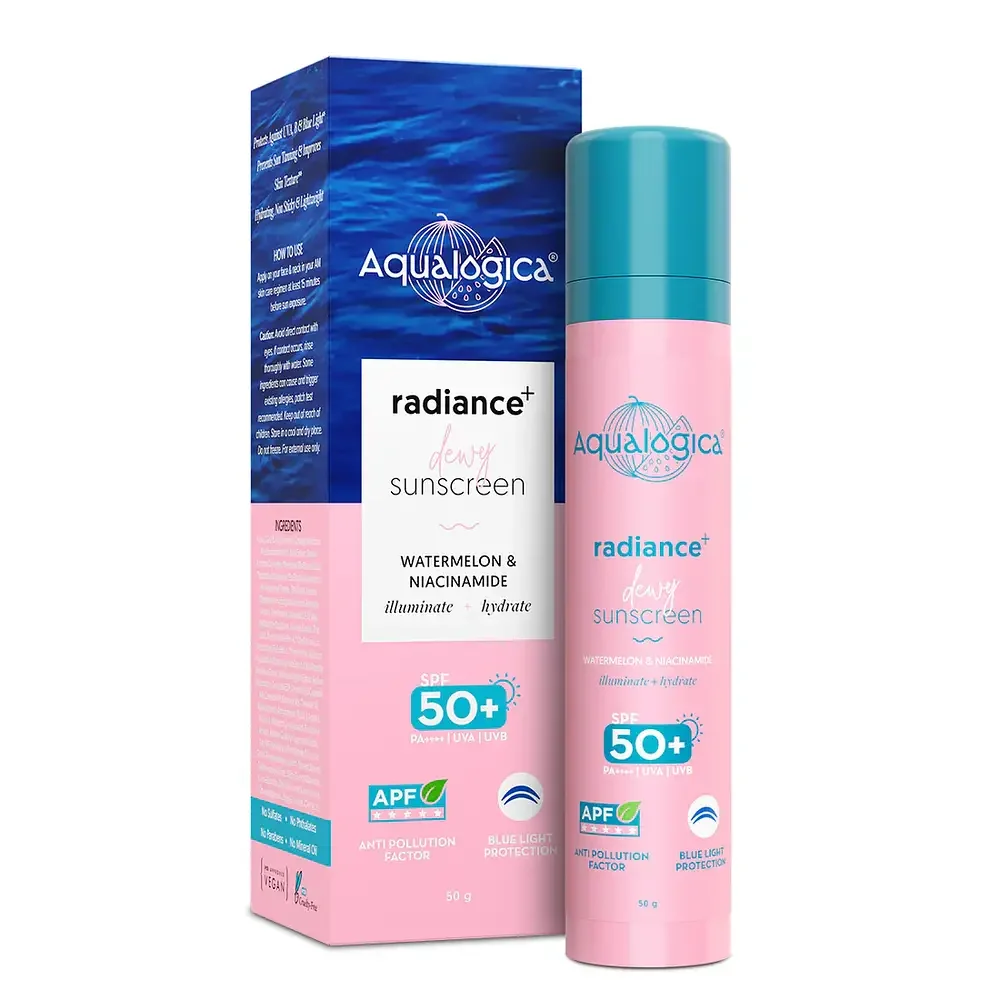
As an Amazon Associate, AllerNote earns from qualifying purchases.
Always scan the actual label before use — formulations change.
Scan a product for this concern
What is titanium dioxide?
Titanium dioxide (TiO2) is a bright white mineral with two jobs in cosmetics: a UV filter in sunscreens and a white pigment (listed as CI 77891) in foundations, concealers, and tinted products. As a sun filter it works like zinc oxide — sitting on the surface and scattering, reflecting, and absorbing UV. It's been used in sunscreens since the 1950s and is approved worldwide up to 25%.
Its strength is UVB and short UVA (≈290–350 nm); its limitation is weaker coverage of deep UVA1 (340–400 nm). That's why quality mineral sunscreens almost always pair it with zinc oxide — together they deliver complete broad-spectrum protection.
Why it's so well tolerated
Titanium dioxide is among the least irritating ingredients known: decades of patch-test data show virtually no contact dermatitis, and it's rated safe up to 25% by the FDA, EU, and CIR.
- Nano vs non-nano — micronised TiO2 reduces white cast and does not penetrate intact skin.
- Inhalation — the one caution is loose powder/spray; creams and lotions are fine.
- White cast — whiter than zinc, so it casts more on deeper tones; tinted (iron-oxide) versions fix this.
- Pregnancy/babies — a standard conservative choice.
How to use it well
- Choose TiO2 + ZnO blends — pure TiO2 lacks deep-UVA coverage.
- Apply generously — two finger-lengths for face and neck.
- Reapply every 2–3 hours, especially with sweat/humidity.
- Tinted for deeper skin — cancels white cast, adds visible-light protection.
- Skip powder sunscreens as your only protection — fine for touch-ups, not a base.
Alternatives
- Broader UVA: zinc oxide alone, or Tinosorb S/M blends (EU/Asia).
- Cosmetically lighter: modern chemical filters (Tinosorb, Uvinul).
- Makeup with SPF: tinted moisturisers/BB creams with TiO2 give a baseline.
The bottom line
Titanium dioxide is a gentle, ultra-low-allergy mineral filter best teamed with zinc oxide for full coverage — and the same mineral quietly provides the white base of much of your makeup. For sensitive, pregnant, or infant skin, a TiO2 + ZnO sunscreen is a safe default.
Was this article helpful?
One tap tells us what to write more of. No account needed.
Is this ingredient in your products?
Scan any cosmetic product to check for Titanium Dioxide and 30+ other allergens instantly.