
Urea
A humectant at low doses, a gentle exfoliant at high doses — the secret behind every good foot cream and KP lotion
INCIUrea
- Category
- Humectant
- Risk level
- low
- Two modes
- Below 10% = humectant; 10–20% = keratolytic (exfoliating); above ~20% = callus/nail dissolver
- In your own skin
- A major component of the skin's natural moisturising factor (NMF)
- Eczema-friendly
- Recommended in atopic-dermatitis care (typically ~5% face, ~10% body)
- Reaction type
- Irritant stinging on broken skin at higher strengths, not allergy
Look for these names on ingredient lists
This ingredient may appear under any of these names:
Commonly found in
Possible reactions
- Stinging on broken/freshly shaved skin (common above 10%)
- Mild redness on facial skin at higher strengths
- Allergy essentially unheard of
- Excellent tolerance on body, hands, and feet
Top picks with Urea
Highly rated products that feature Urea in their ingredient list.

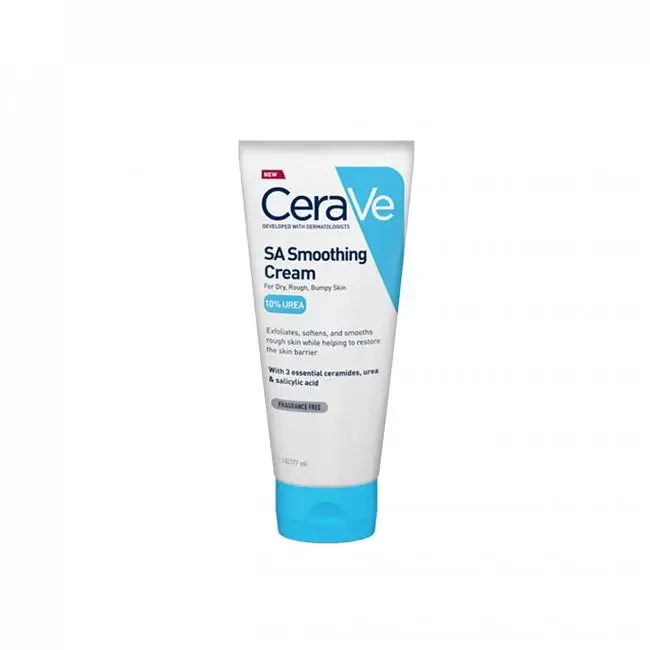
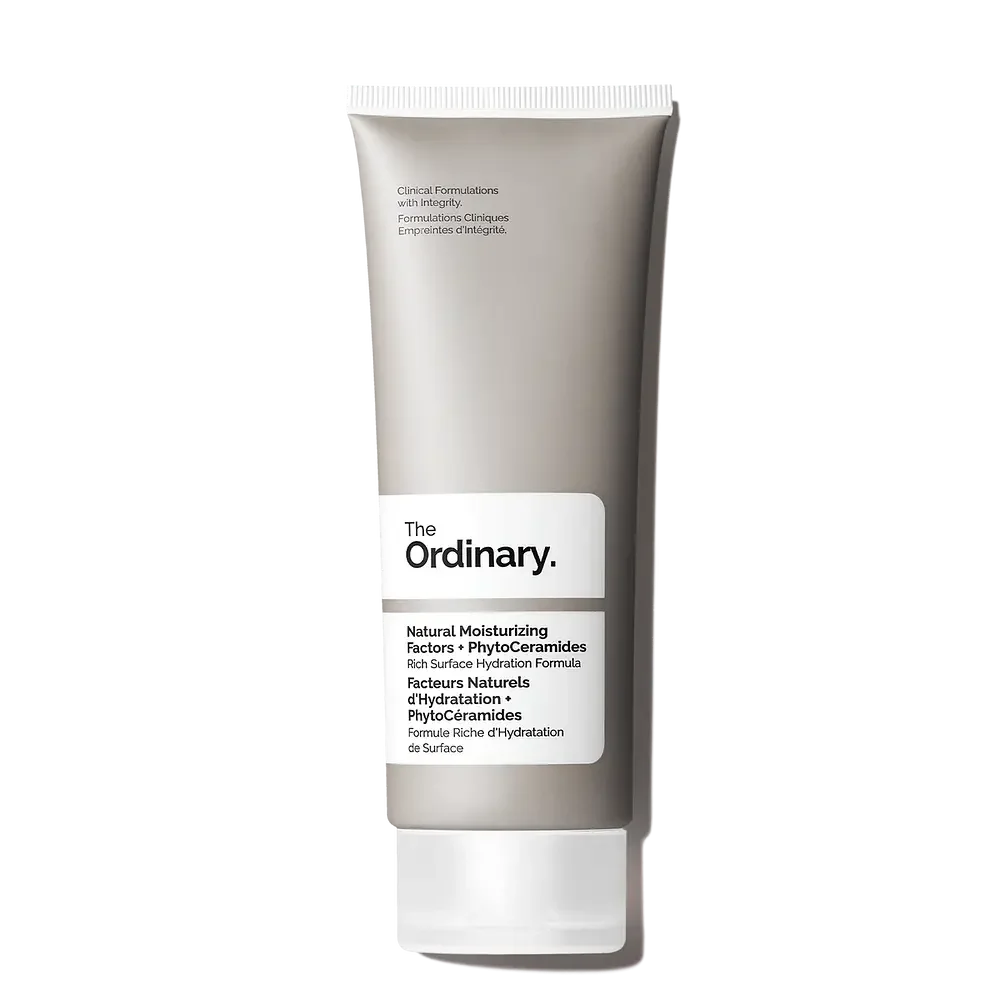

As an Amazon Associate, AllerNote earns from qualifying purchases.
Always scan the actual label before use — formulations change.
What is urea?
Urea (INCI: Urea; also carbamide) is a small molecule your body produces, and a major component of the skin's own natural moisturising factor (NMF) — which is why putting it back on the surface works so well. Cosmetic urea is synthesised to pharmaceutical purity and has nothing to do with the unpleasant associations of the name.
Its defining feature is two effects by concentration:
- Below 10% — a humectant that hydrates and softens.
- 10–20% — keratolytic: it gently loosens dead skin without acid stinging.
- Above ~20% — dissolves thick calluses (used for heels and nails).
Why it's so well tolerated
Because it's already in your skin, true allergy is essentially unheard of, and safety panels rate it safe across its range. The one thing to know is stinging on broken skin: at ≥10% it briefly stings freshly shaved legs, cracked heels, or exfoliated skin — irritant, not allergic, and it stops as the barrier rebuilds.
It's a guideline-recommended option for eczema/atopic dermatitis (usually ~5% face, ~10% body), and a gold-standard treatment for keratosis pilaris (the bumpy "chicken skin" on arms and thighs).
How to use it well
- Match strength to use — ~5% face, ~10% body/KP, 20–40% heels/calluses.
- Occlude overnight for heels/hands — urea cream + cotton socks/gloves.
- Don't stack with strong AHAs the same day above 10% (double exfoliation).
- Wait ~24h after shaving before high-strength urea on legs.
- Patch test on the face — the keratolytic effect can be too much for some facial skin.
Alternatives
- Hydration without exfoliation: glycerin, hyaluronic acid, panthenol.
- Sensitive face: stick to 3–5% urea.
- KP if urea stings: lactic or salicylic acid lotions.
- Cracked heels without urea: petrolatum + cotton socks overnight (slower).
The bottom line
Urea is a brilliantly versatile, low-allergy molecule — hydrating at low strength, gently exfoliating at higher strength, and unbeatable for KP and cracked heels. The only caveat is concentration: match it to the body part, and expect brief stinging on broken skin, not allergy.
Was this article helpful?
One tap tells us what to write more of. No account needed.
Is this ingredient in your products?
Scan any cosmetic product to check for Urea and 30+ other allergens instantly.