
Vitamin C (Ascorbic Acid)
The gold-standard brightening antioxidant — most "reactions" are a low-pH sting, not a true allergy
INCIAscorbic Acid
- Category
- Antioxidant
- Risk level
- low
- Reaction type
- Mostly a low-pH sting (irritation), not allergy — pure ascorbic acid needs pH below ~3.5 to work
- Concentration
- 8% is the minimum for visible results; 15–20% is optimal; above 20% adds sting without benefit
- Stability
- Oxidises in light and air — a brown/dark-amber serum is spent and should be discarded
- Pregnancy
- Safe in pregnancy; a good brightening alternative to retinoids
Look for these names on ingredient lists
This ingredient may appear under any of these names:
Commonly found in
Possible reactions
- Stinging or warmth on application (common at 15–20%)
- Redness on sensitive or rosacea-prone skin
- Mild peeling at higher concentrations
- Yellow/orange staining on skin or fabric when the serum has oxidised
- True allergy to ascorbic acid itself is rare
Top picks with Vitamin C (Ascorbic Acid)
Highly rated products that feature Vitamin C (Ascorbic Acid) in their ingredient list.
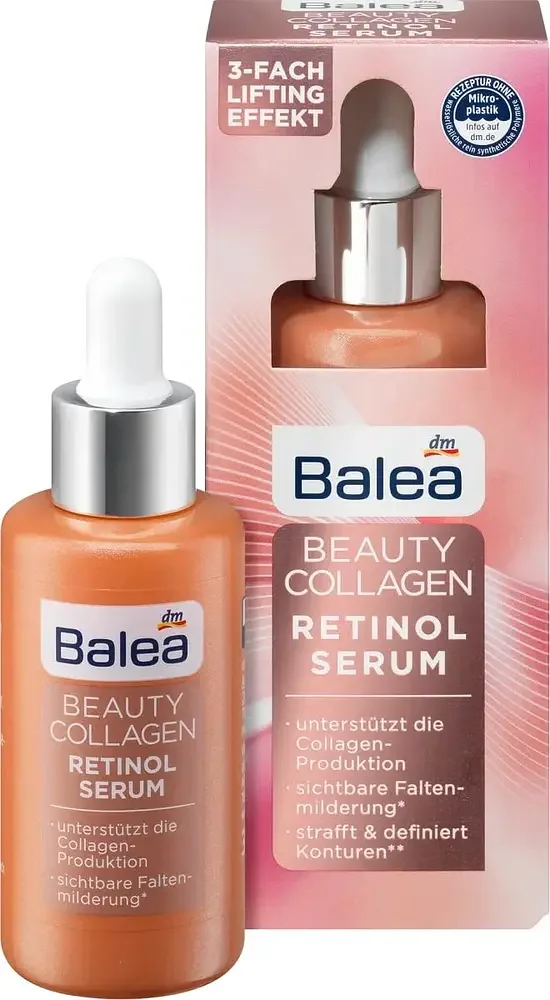
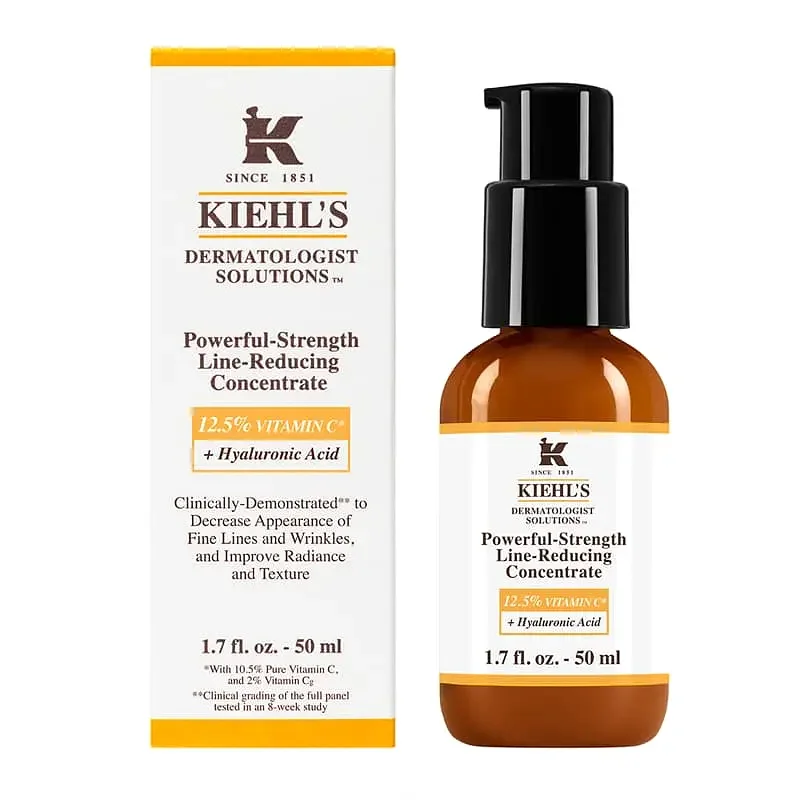
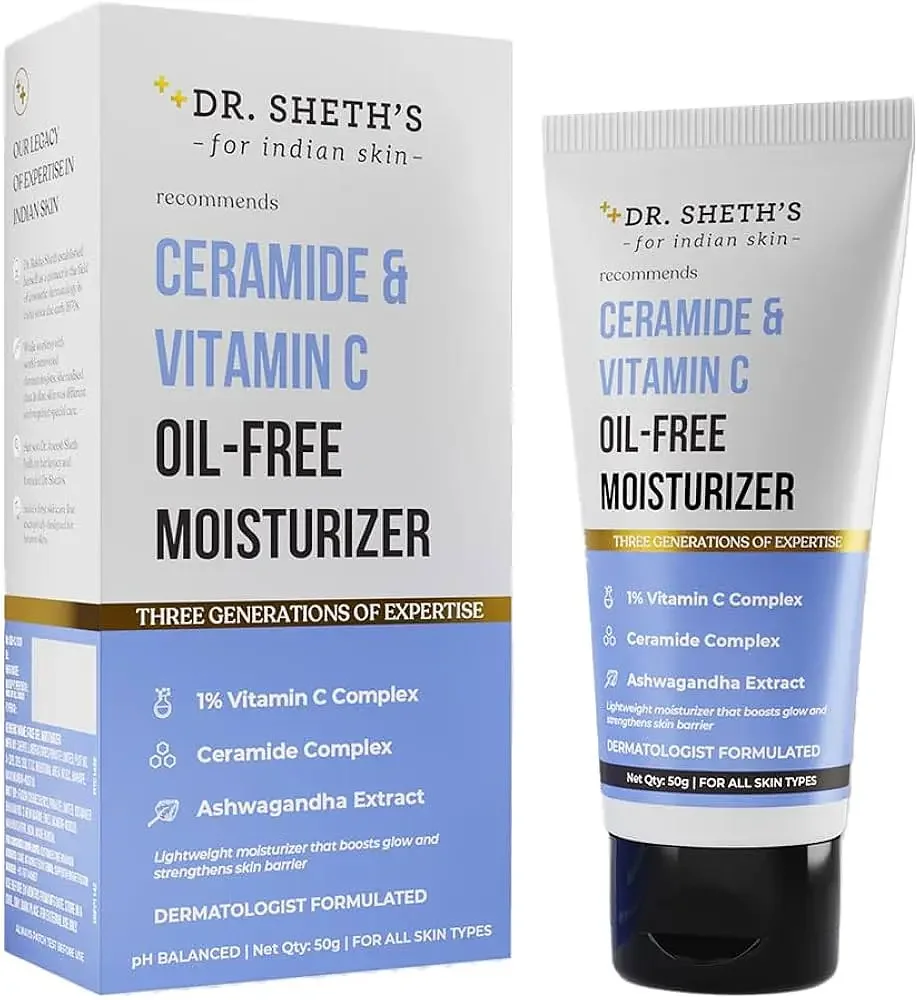
As an Amazon Associate, AllerNote earns from qualifying purchases.
Always scan the actual label before use — formulations change.
What is vitamin C?
In skincare, vitamin C almost always means L-ascorbic acid (LAA) — the pure, biologically active form. It's the most-studied antioxidant in dermatology, with decades of evidence that it brightens tone, fades dark spots, neutralises UV- and pollution-driven free radicals, and supports collagen. Used consistently with sunscreen, it visibly evens skin tone over 8–12 weeks.
The catch is that pure ascorbic acid is chemically demanding: it only works at a low pH (below ~3.5), and it oxidises quickly in light and air, turning yellow then brown. Once oxidised it may actually contribute to pigmentation rather than fading it — so freshness matters as much as percentage.
The sting is pH, not allergy
The single most useful thing to understand: the burn people feel from vitamin C is a pH reaction, not a vitamin C allergy. To absorb, ascorbic acid must be formulated well below your skin's natural pH (4.5–5.5), and that acidity is what stings and can redden sensitive, rosacea-prone, or barrier-compromised skin.
True allergic contact dermatitis to ascorbic acid is rare. Most reported "vitamin C reactions" are either the pH sting or a response to other ingredients commonly formulated with it — ferulic acid, vitamin E, fragrance, or ethanol. The famous template, SkinCeuticals C E Ferulic (15% LAA + 1% vitamin E + 0.5% ferulic acid, pH 3.0–3.5), is widely copied precisely because those companions stabilise the acid and boost photoprotection — but they're also worth noting if your skin reacts.
A brief tingle that fades in a minute is the normal low-pH effect and not a reason to stop. A spreading, itchy rash that builds over hours points to a genuine contact allergy — and the culprit is more likely a co-ingredient than the ascorbic acid. Checking the full formula tells you which.
How to use it well
- Start at 8–10%, not 20% — lower strengths are gentler and nearly as effective; work up only if comfortable for 4 weeks.
- Use it in the morning — it boosts your sunscreen's free-radical protection; apply on clean skin, wait a minute, then SPF.
- Buy small bottles — a 15 ml you finish in two months beats a 30 ml that oxidises first.
- Watch the colour — clear to pale yellow/orange is good; dark amber/brown means discard.
Gentler alternatives
- Can't tolerate ascorbic acid? Stable derivatives work near neutral pH without the sting: sodium ascorbyl phosphate, magnesium ascorbyl phosphate, tetrahexyldecyl ascorbate (THD ascorbate).
- Brightening without vitamin C: niacinamide, alpha arbutin, tranexamic acid, azelaic acid.
- Antioxidant protection without sting: vitamin E, ferulic acid, resveratrol, green tea extract.
The bottom line
Vitamin C is the gold-standard brightening antioxidant, and the discomfort it causes is overwhelmingly a low-pH sting, not an allergy. If a brief tingle is your only issue, you're fine; if you get a true rash, suspect the co-ingredients — or switch to a gentle, neutral-pH vitamin C derivative.
Was this article helpful?
One tap tells us what to write more of. No account needed.
Is this ingredient in your products?
Scan any cosmetic product to check for Vitamin C (Ascorbic Acid) and 30+ other allergens instantly.