
Vitamin E (Tocopherol)
The classic skin antioxidant — protective and stabilising, but the most allergy-prone of the common vitamins, especially from pierced capsules
INCITocopherol
- Category
- Antioxidant
- Risk level
- low
- Two forms
- Tocopherol (active) and tocopheryl acetate (more stable, slightly less potent)
- Dual role
- Protects skin AND stabilises other ingredients (vitamin C serums, face oils) from oxidising
- Allergy note
- The most allergy-prone of the common vitamins (~0.5–1%) — highest with neat oil on damaged skin
- Scar myth
- No good evidence it fades scars; neat oil on scars can cause dermatitis instead
Look for these names on ingredient lists
This ingredient may appear under any of these names:
Commonly found in
Possible reactions
- Allergic contact dermatitis in ~0.5–1% of patch-tested users
- More common from neat vitamin-E oil on broken skin
- Mild redness or itch around eyes and lips
- Reactions rare in well-formulated products
Top picks with Vitamin E (Tocopherol)
Highly rated products that feature Vitamin E (Tocopherol) in their ingredient list.
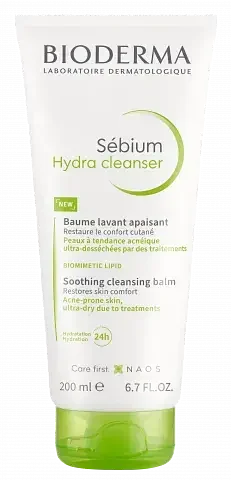

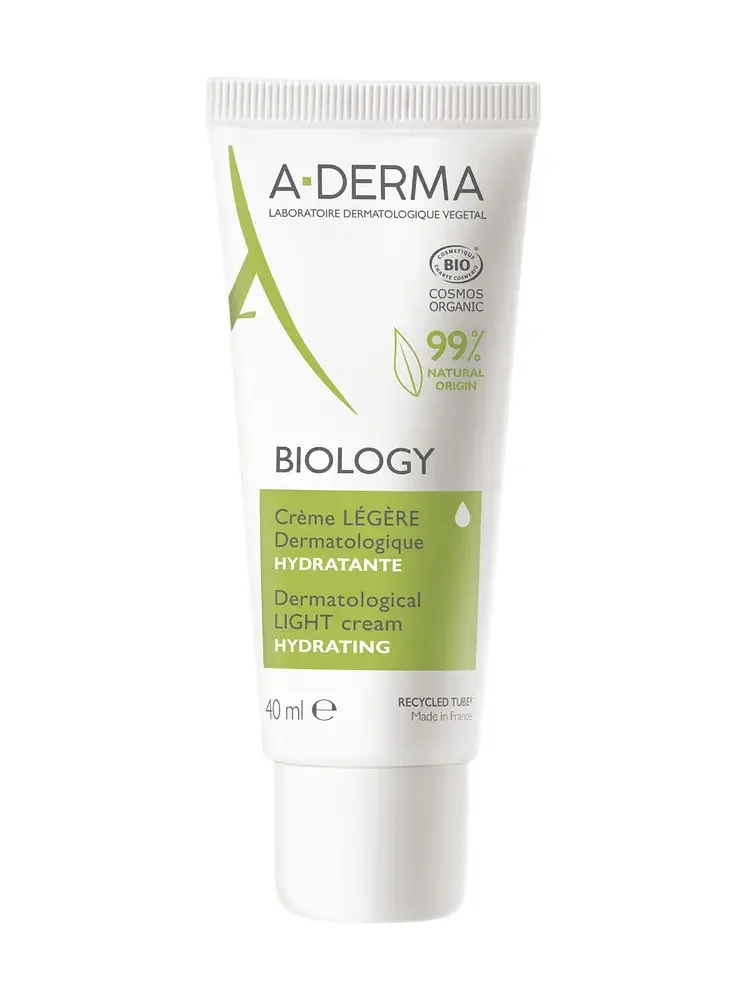
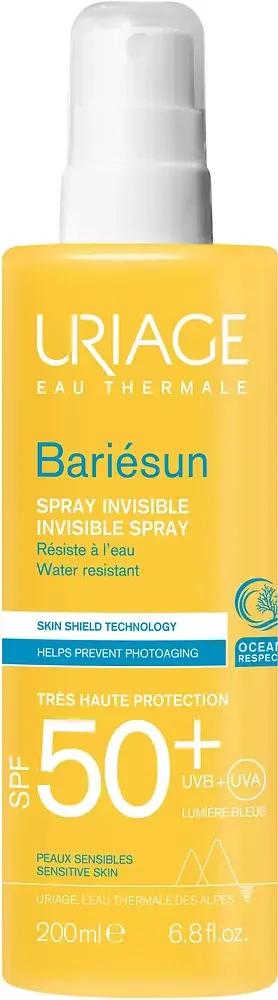
As an Amazon Associate, AllerNote earns from qualifying purchases.
Always scan the actual label before use — formulations change.
What is vitamin E?
Vitamin E in skincare is almost always tocopherol or its stabler ester tocopheryl acetate — a fat-soluble antioxidant found in plant oils and your own sebum. It does three jobs: neutralises free radicals from UV and pollution, protects oils and other actives from oxidising in the bottle, and conditions skin as a mild emollient. Nearly every face oil, sunscreen, and vitamin C serum contains a little — often as much to keep the formula fresh as to benefit your skin.
Why it sometimes causes problems
Of the common skincare vitamins, vitamin E is the most allergy-prone — patch-test contact dermatitis runs about 0.5–1%. Low in absolute terms, but higher than the other antioxidants here. Reactions cluster around:
- Neat vitamin-E oil from pierced capsules applied directly to skin — the high concentration is far more sensitising than a formulated product.
- Broken or eczematous skin, where the barrier is open.
- Eyes and lips, where skin is thin and reactive.
In well-formulated products at 0.1–1%, it's rarely an issue, and it's safe in pregnancy.
- Vitamin E fades scars — controlled studies say no, and neat oil on scars can cause dermatitis. 2) Capsule oil is "purer/better" — it's actually the highest-risk way to use it. For scars, use silicone gel; for antioxidant benefit, use a formulated serum.
How to use it well
- Use it in a formulated product, not from a capsule.
- Pair with vitamin C + ferulic acid (the CEF stack) for up to several-fold more photoprotection.
- Look for it in face oils and sunscreens as a sign of a well-made formula.
- Keep it off active acne and broken skin.
- Skip the scar-fading idea — see a dermatologist for real scar care.
Alternatives
- Antioxidant protection, lower allergy: ferulic acid, resveratrol, astaxanthin.
- Scar fading that works: silicone gels, niacinamide, azelaic acid.
- Dry lips: petrolatum, shea, beeswax balms.
- Reacting to vitamin E: tocopherol-free formulas (CeraVe/Cetaphil have several).
The bottom line
Vitamin E is a useful, multi-tasking antioxidant — but it's the one common vitamin with a real (if low) allergy rate, concentrated in the neat-oil-from-capsules habit. Use it in proper formulations, not squeezed onto scars, and you get the benefit without the risk.
Was this article helpful?
One tap tells us what to write more of. No account needed.
Is this ingredient in your products?
Scan any cosmetic product to check for Vitamin E (Tocopherol) and 30+ other allergens instantly.