
Zinc Oxide
A mineral UV filter that covers the whole UV spectrum — the safest, most stable, lowest-allergy sun protection there is
INCIZinc Oxide
- Category
- Sunscreen / UV Filter
- Risk level
- low
- Broadest single filter
- The only single UV filter covering the full UVA+UVB range (~290–400 nm), including deep UVA1
- Photostable
- Does not degrade in sunlight (unlike unstabilised chemical filters)
- Tolerability
- Allergy essentially unheard of; pregnancy-safe, infant-safe, reef-friendly
- Main downside
- White cast on deeper skin tones — solved by tinted (iron-oxide) versions
Look for these names on ingredient lists
This ingredient may appear under any of these names:
Commonly found in
Possible reactions
- Extremely rare allergic reactions
- White cast on deeper skin tones
- Occasional clogged pores in heavy formulas
- No sun sensitivity
- Safe in pregnancy, for babies, and for sensitive skin
Top picks with Zinc Oxide
Highly rated products that feature Zinc Oxide in their ingredient list.

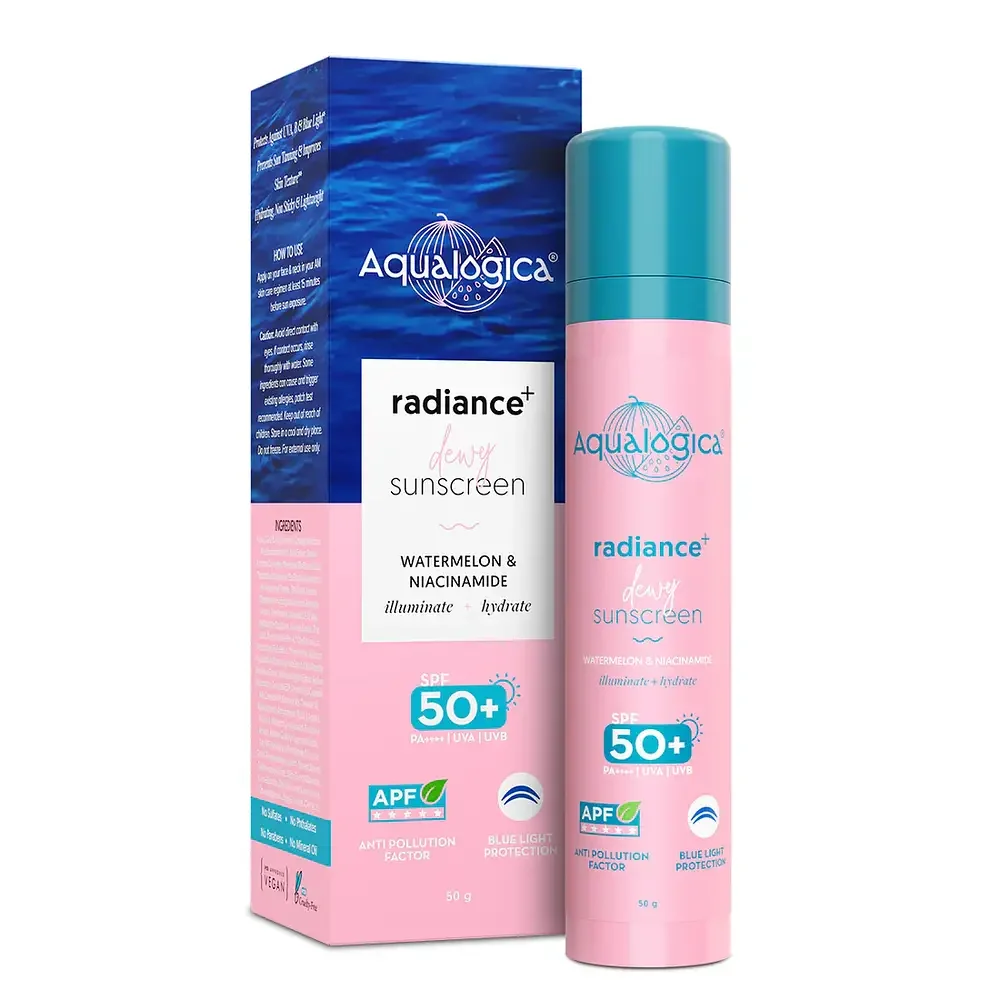
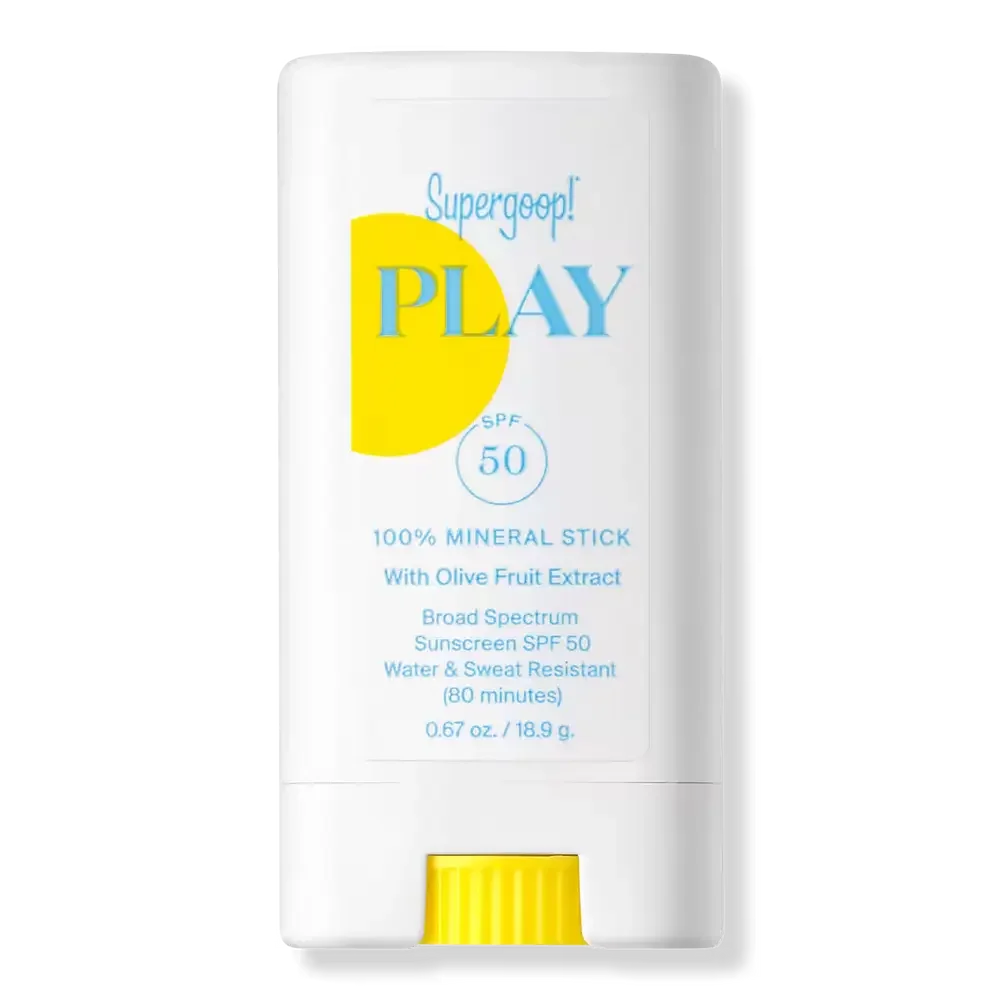

As an Amazon Associate, AllerNote earns from qualifying purchases.
Always scan the actual label before use — formulations change.
Scan a product for this concern
What is zinc oxide?
Zinc oxide is a white mineral powder used for sun protection for over a century (the lifeguard's white-nose stripe was pure zinc paste). Chemically simple (ZnO), it protects by scattering, reflecting, and absorbing UV before it reaches skin cells — a mineral (physical) filter rather than a chemical one.
Its standout strength is broad-spectrum coverage: it's the only single UV filter that protects across the full UVA and UVB range, including the deep UVA1 rays that drive photoaging and pigmentation. It's also photostable, non-irritating, pregnancy-safe, and infant-approved (over 6 months) — which is why dermatologists often call it the gold-standard filter.
Why it's so well tolerated
Zinc oxide is one of the safest cosmetic ingredients studied: patch-test contact dermatitis is essentially unheard of, and it's rated safe up to 25% by the FDA, EU, and CIR.
- Nano vs non-nano — micronised ("nano") zinc reduces white cast and does not penetrate intact skin; non-nano is available for preference. (Avoid inhaling loose powders/sprays — creams are fine.)
- White cast — its main downside, especially on deeper skin tones; tinted (iron-oxide) versions solve it and add visible-light protection.
- Reef-friendly — unlike oxybenzone and octinoxate, zinc is the filter permitted in Hawaii and other reef zones.
How to use it well
- Apply generously — two finger-lengths for face and neck (most people use half enough).
- Reapply every 2–3 hours outdoors — mineral filters need topping up too.
- Choose tinted if you have medium-to-deep skin (kills white cast, adds visible-light protection).
- Last skincare step — only makeup goes over it.
Alternatives
- Broader/elegant blends: Tinosorb S/M (EU/Asia; not FDA-approved in the US).
- Lighter feel: well-formulated chemical blends (avobenzone + octocrylene), if you tolerate them.
- Babies/pregnancy: zinc oxide is itself the conservative choice.
The bottom line
Zinc oxide is the do-everything mineral filter: broadest single-filter coverage, photostable, reef- and pregnancy-friendly, and with allergy effectively off the table. The only thing to manage is white cast — and a tinted formula fixes that.
Was this article helpful?
One tap tells us what to write more of. No account needed.
Is this ingredient in your products?
Scan any cosmetic product to check for Zinc Oxide and 30+ other allergens instantly.