
Argan Oil
Moroccan "liquid gold" — a vitamin-E-rich, well-tolerated emollient for skin and hair, with a stone-fruit (drupe) allergy caveat
INCIArgania Spinosa Kernel Oil
- Category
- Emollient
- Risk level
- low
- What it is
- Oil from the kernels of the Moroccan argan tree (a drupe/stone fruit)
- Vitamin E rich
- 2–3x the vitamin E of olive oil, plus phenolic antioxidants
- Fatty-acid balance
- ~45% oleic, ~35% linoleic — versatile, but the oleic richness can feel heavy on oily skin
- Allergy note
- Low allergy overall; a drupe (like almond/olive), so patch test with severe tree-nut allergy
Look for these names on ingredient lists
This ingredient may appear under any of these names:
Commonly found in
Possible reactions
- Very rare allergic reactions
- Tree-nut/drupe allergy caution
- Can feel heavy / be too rich for oily, acne-prone facial skin
- No sun sensitivity
- Pregnancy-safe
Top picks with Argan Oil
Highly rated products that feature Argan Oil in their ingredient list.


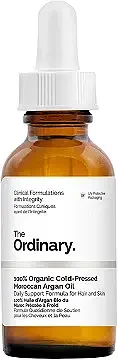
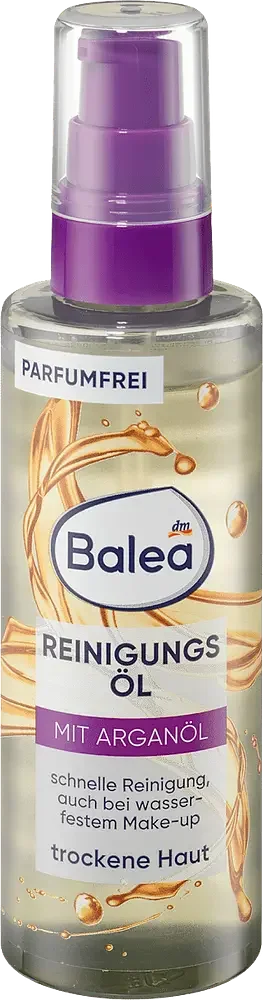
As an Amazon Associate, AllerNote earns from qualifying purchases.
Always scan the actual label before use — formulations change.
Scan a product for this concern
What is argan oil?
Argan oil is pressed from the kernels of Argania spinosa, a tree that grows almost only in southwestern Morocco, where it's long been a staple of Berber skin and hair care. Nicknamed "liquid gold," it's rich in oleic acid (~45%), linoleic acid (~35%), vitamin E (2–3× olive oil's level), and phenolic antioxidants.
That balanced fatty-acid profile suits most skin types — oleic acid for rich moisture, linoleic acid for barrier support — and it's a standout hair oil, adding shine and frizz control without coconut or castor oil's heaviness.
Why it's well tolerated (with one caveat)
Argan has a strong safety profile and rare contact dermatitis; it's not a known comedogenic trigger and is non-photosensitising and pregnancy-safe. Two honest caveats:
- Drupe/nut caution. Argan is a drupe (stone fruit), botanically like almond and olive rather than a true tree nut. Reactions are uncommon, but severe tree-nut allergy → patch test first.
- Richness. Its oleic content can feel heavy on very oily or acne-prone facial skin — lighter oils (jojoba, squalane) suit those better. On dry/mature skin and hair, the richness is the point.
Quality also matters: cheap argan is often diluted or chemically extracted. Look for cold-pressed, 100% pure in a dark bottle.
How to use it well
- A few drops on the face — pat in as a last step or before moisturiser.
- On damp hair — work through mid-lengths and ends for frizz/shine (keep off oily scalp).
- Layer over water-based products.
- Store in a dark bottle — light speeds oxidation.
Alternatives
- Oily skin: jojoba oil or squalane (lighter).
- Intense moisture: shea butter or marula oil.
- Mild retinoid-like effects: rosehip oil.
- Nut allergy: squalane (sugarcane-derived, no botanical cross-reaction).
The bottom line
Argan oil is a versatile, antioxidant-rich, low-allergy emollient that shines on dry skin and hair. Keep two things in mind: it's a drupe (patch test with serious nut allergy), and it can be too rich for oily faces — where a lighter oil is the better call.
Was this article helpful?
One tap tells us what to write more of. No account needed.
Is this ingredient in your products?
Scan any cosmetic product to check for Argan Oil and 30+ other allergens instantly.