
Avobenzone
The workhorse UVA filter in chemical sunscreens — low allergy risk, but only as good as its stabilisation
INCIButyl Methoxydibenzoylmethane
- Category
- Sunscreen / UV Filter
- Risk level
- low
- What it does
- Covers long UVA1 (340–400 nm) — the deep-penetrating rays most chemical filters miss
- Allergy risk
- Low — contact dermatitis in well under 1% of users
- Needs stabilisation
- Photo-unstable alone; modern formulas pair it with octocrylene, Tinosorb S, or Mexoryl
- Max concentration
- Up to 5% in the EU; up to 3% in the US
Look for these names on ingredient lists
This ingredient may appear under any of these names:
Commonly found in
Possible reactions
- Contact dermatitis is rare (well under 1% of users)
- Occasional stinging if it migrates into the eyes with sweat
- Loss of protection (not a skin reaction) if poorly stabilised
- No meaningful photosensitivity when properly formulated
Top picks with Avobenzone
Highly rated products that feature Avobenzone in their ingredient list.
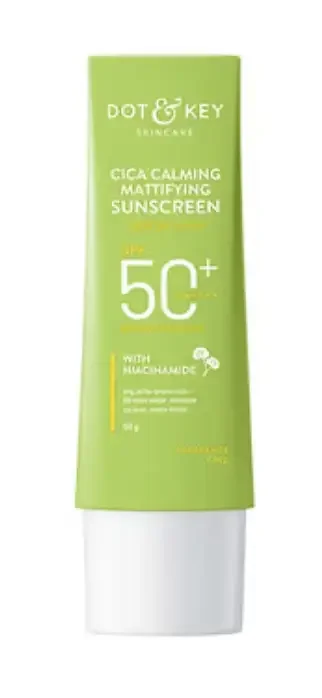
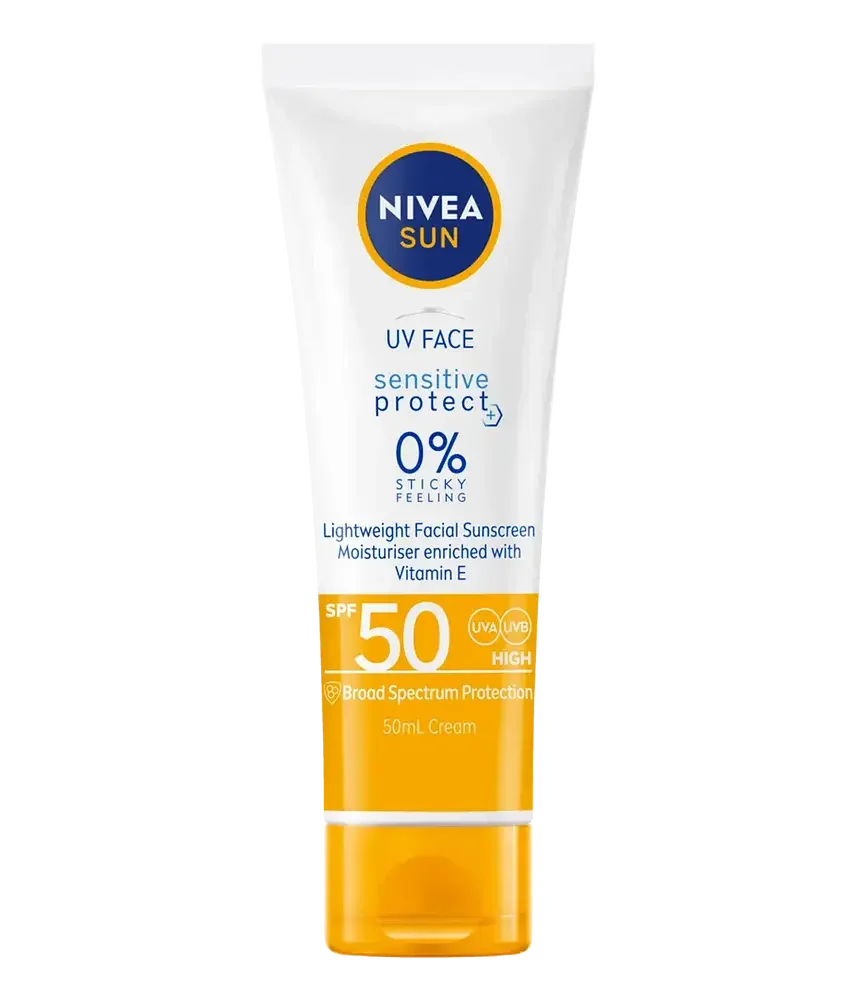
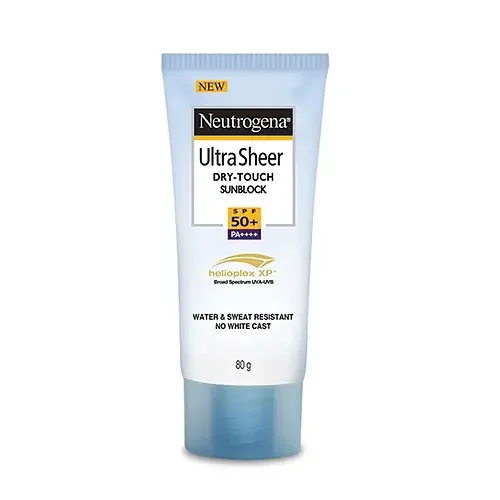
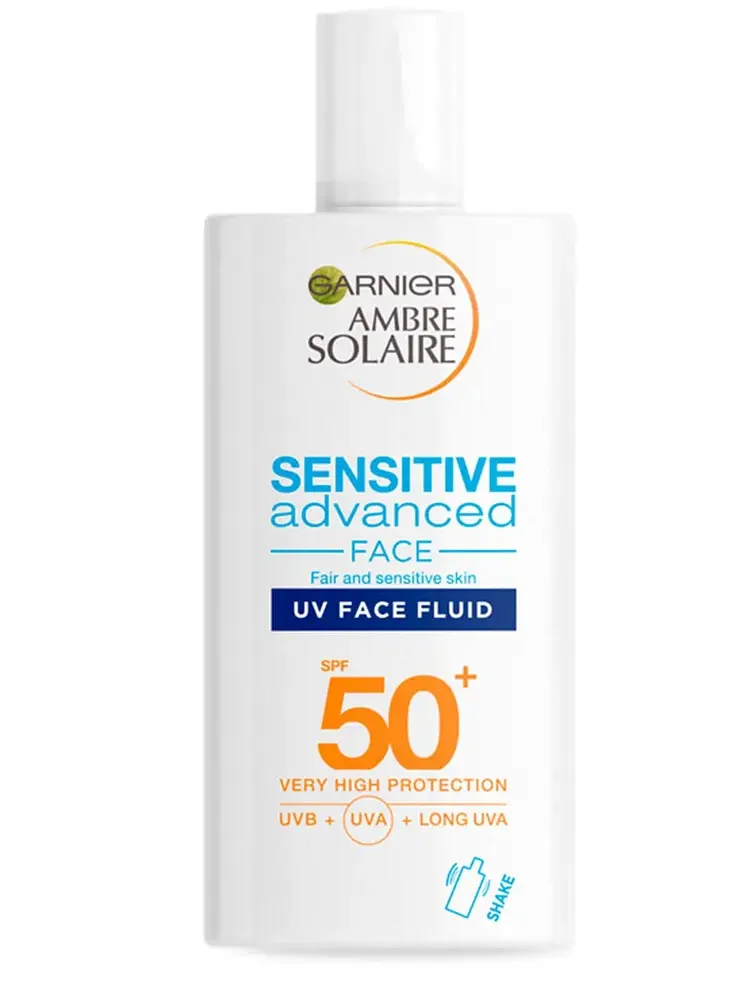
As an Amazon Associate, AllerNote earns from qualifying purchases.
Always scan the actual label before use — formulations change.
Scan a product for this concern
What is avobenzone?
Avobenzone (INCI: Butyl Methoxydibenzoylmethane, also called Parsol 1789) is a chemical sunscreen filter that absorbs UVA and dissipates it as a tiny amount of heat. It's the most widely used UVA filter in the world for a good reason: while most chemical filters mainly cover UVB, avobenzone protects against the long UVA1 wavelengths (340–400 nm) that penetrate deepest, driving photoaging, pigmentation, and DNA damage. It's been an FDA-approved sunscreen active since 1988 and is a staple of broad-spectrum formulas globally.
Compared with the more controversial filters on this list, avobenzone's allergy story is reassuring — its main quirk is chemical, not immunological.
Low allergy risk
Avobenzone has a strong safety and tolerability profile. Patch-test data put contact dermatitis at well under 1% of users, and — unlike oxybenzone — it isn't a notable photoallergen when correctly formulated. If a chemical sunscreen breaks you out, the usual suspects are oxybenzone, a fragrance, or a preservative in the same product, rather than the avobenzone.
Its real issue: photo-instability
The catch with avobenzone isn't your skin — it's the molecule's stability. On its own, avobenzone degrades in sunlight, losing roughly 50–90% of its protection within an hour. That would make it useless as a standalone, so modern sunscreens stabilise it by pairing it with other ingredients that absorb the energy it releases:
- Octocrylene
- Tinosorb S (bemotrizinol)
- Mexoryl (ecamsule)
Practical takeaway: if you use an avobenzone sunscreen, check that a stabiliser is in the ingredient list, and reapply through the day. A poorly stabilised avobenzone product can quietly stop protecting you well before you'd expect.
Avobenzone is one of the few ingredients where what's next to it matters as much as the filter itself. Seeing octocrylene, Tinosorb S, or Mexoryl alongside it is a good sign the formula will hold up through sun exposure.
Regulatory and practical notes
- Concentration: up to 5% in the EU, up to 3% in the US.
- Reef rules: not part of the main oxybenzone/octinoxate reef bans, though some broader environmental regulations exist.
- Pregnancy: generally considered acceptable; mineral filters are the most conservative choice if you want one.
- Eye stinging: like many chemical filters, it can sting if sweat carries it into the eyes — stick formats help.
How to use it well
- Confirm a stabiliser is present (octocrylene, Tinosorb S, or Mexoryl).
- Apply generously — about two finger-lengths for face and neck.
- Let it set ~15 minutes before sun exposure.
- Reapply every ~2 hours outdoors, more if swimming or sweating.
Alternatives
- Mineral filters: zinc oxide and titanium dioxide — lowest allergy risk, reef-friendly, the conservative pregnancy choice.
- Newer photostable filters (EU/UK/Asia): Tinosorb S/M, Mexoryl, Uvinul A Plus — broad, stable coverage, though not all are FDA-approved in the US.
The bottom line
Avobenzone is the dependable UVA workhorse of chemical sunscreens, with a low allergy risk — its weakness is photo-instability, not your skin. Choose a formula that stabilises it (octocrylene, Tinosorb, or Mexoryl), reapply, and it does its job well.
Was this article helpful?
One tap tells us what to write more of. No account needed.
Is this ingredient in your products?
Scan any cosmetic product to check for Avobenzone and 30+ other allergens instantly.