
Bakuchiol
The plant-derived "retinol alternative" — gentle and pregnancy-friendly, with one caveat about its psoralen-containing source plant
INCIBakuchiol
- Category
- Active
- Risk level
- low
- Origin
- From seeds of Psoralea corylifolia (babchi), long used in traditional medicine
- Retinol-like, not a retinoid
- Not chemically related to retinol, but a 2018 study found 0.5% comparable to 0.5% retinol for lines and pigmentation, with less irritation
- Pregnancy
- Considered pregnancy-friendly — unlike retinoids
- Source-plant caveat
- Babchi contains psoralens (phototoxic); purified cosmetic bakuchiol removes most, but crude babchi oils can cause reactions
Look for these names on ingredient lists
This ingredient may appear under any of these names:
Commonly found in
Possible reactions
- No retinol-style peeling or dryness for most users
- No meaningful increase in sun sensitivity (purified bakuchiol)
- Rare irritation or photo-reaction, more linked to crude babchi oil than purified bakuchiol
- Generally considered safe in pregnancy and breastfeeding
Top picks with Bakuchiol
Highly rated products that feature Bakuchiol in their ingredient list.
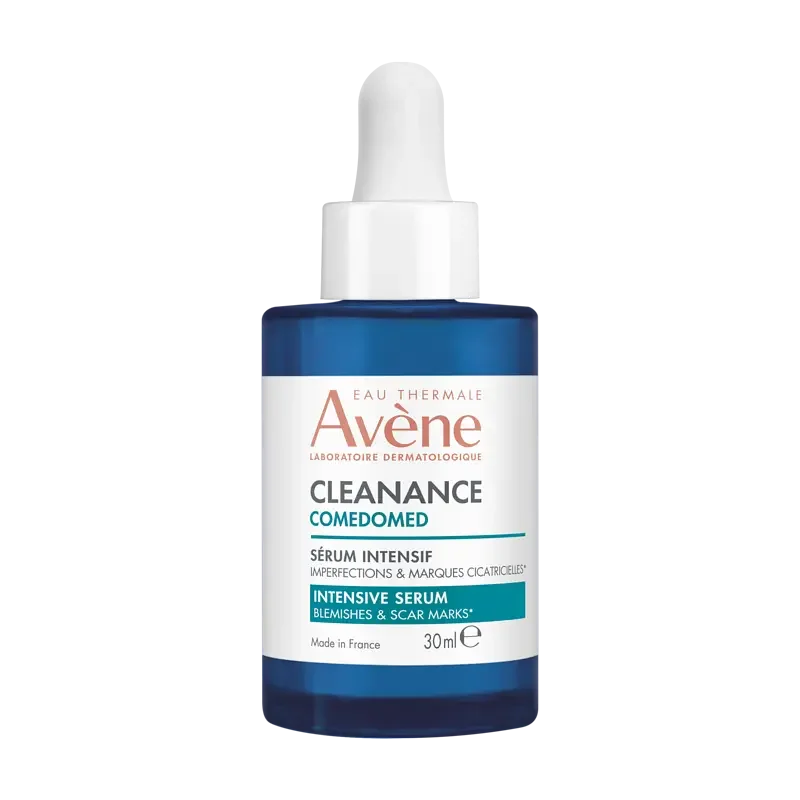
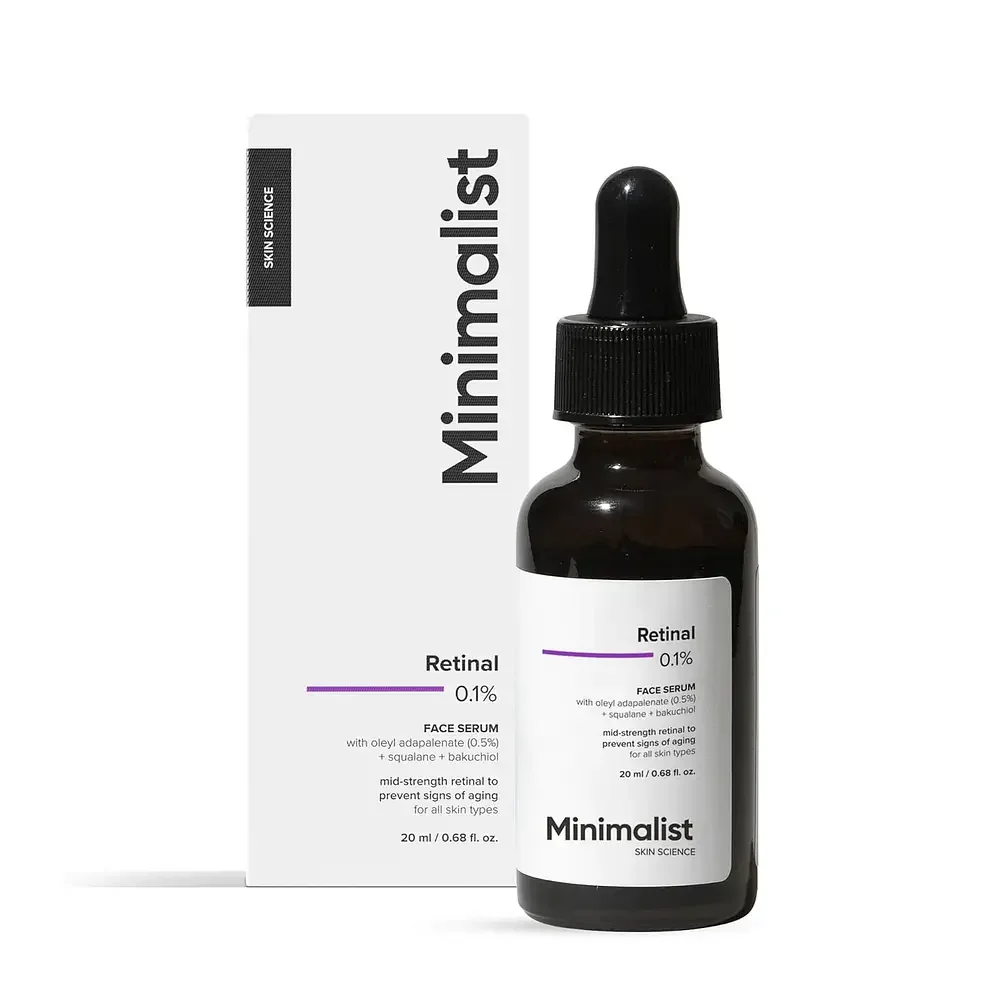
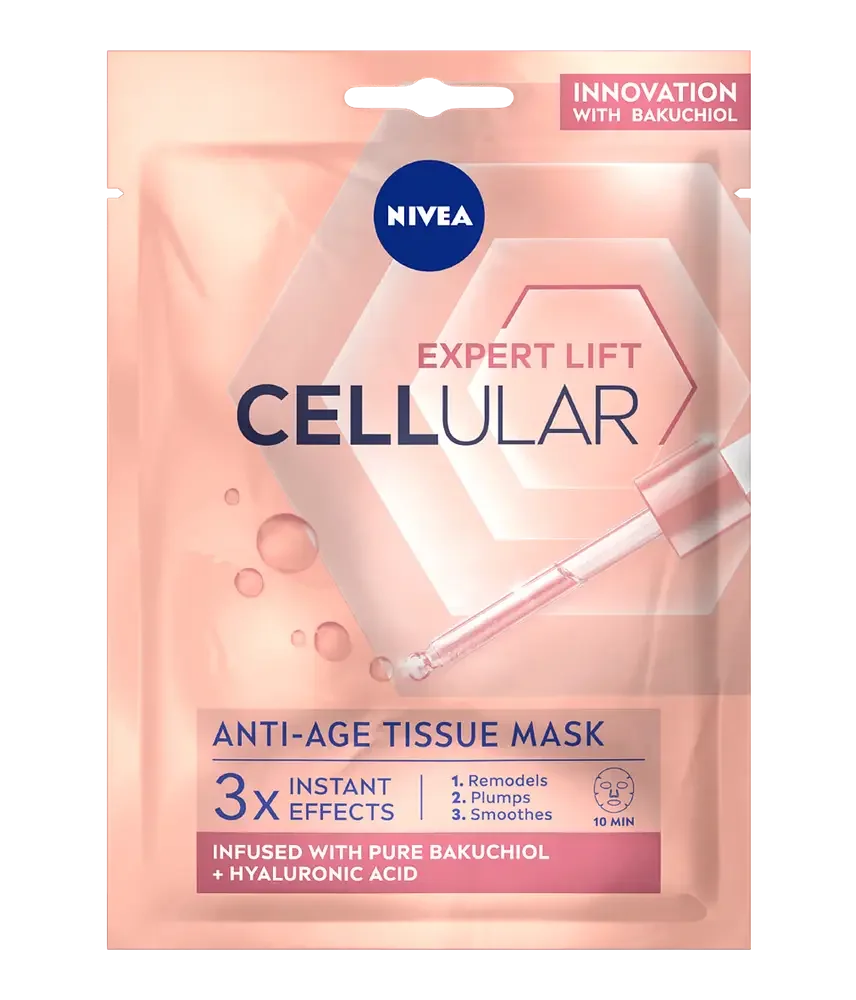

As an Amazon Associate, AllerNote earns from qualifying purchases.
Always scan the actual label before use — formulations change.
What is bakuchiol?
Bakuchiol (say "buh-KOO-chee-ol") is a natural compound from the seeds of Psoralea corylifolia — the plant known as babchi, used in traditional medicine for centuries. It entered the modern spotlight after a 2018 study in the British Journal of Dermatology found that 0.5% bakuchiol produced improvements in fine lines and pigmentation comparable to 0.5% retinol — with significantly less irritation.
Bakuchiol isn't structurally related to retinol at all; it works through different cellular pathways, but the downstream effects on collagen, turnover, and pigmentation genes end up similar. It's also pregnancy-friendly, making it the usual anti-aging alternative when retinoids are off-limits.
Why it's well tolerated — and the one caveat
Because bakuchiol doesn't bind retinoic-acid receptors, it skips the turnover disruption that causes retinol's peeling, dryness, and redness. Studies consistently show no "retinization" phase, no meaningful added sun sensitivity, and lower irritation than retinol at equivalent strength. Purified cosmetic bakuchiol is rated safe at typical concentrations (0.5–1%), and contact dermatitis is uncommon.
The caveat is about the source plant, not purified bakuchiol. Psoralea corylifolia naturally contains psoralens — phototoxic compounds that can cause photosensitivity. Purified, standardised bakuchiol removes most psoralen content, but crude "babchi oil" products can retain it and have been linked to irritation or photo-reactions. So:
- Choose purified, standardised bakuchiol, not raw babchi oil.
- If you have a known psoralen sensitivity, patch test first.
- Remember that "natural" and "plant-derived" don't mean "non-allergenic."
This is the kind of distinction that matters on a label. The clinical evidence and the gentle reputation apply to purified bakuchiol. A homemade or crude babchi oil is a different product with residual phototoxic psoralens — don't treat them as interchangeable.
How to use it well
- Use at 0.5–1% — the range with clinical evidence.
- Morning or night — it's stable and not notably photosensitising (purified form).
- Pair with peptides and niacinamide — complementary, low-irritation anti-aging.
- Give it 8–12 weeks — like all anti-aging actives, it needs time.
- Ideal in pregnancy/breastfeeding — when retinoids are out (purified products; confirm with your clinician).
Alternatives
- Stronger results (non-pregnancy): retinol or prescription tretinoin.
- Non-retinoid anti-aging: niacinamide, peptides, vitamin C.
- Pregnancy brightening: niacinamide, alpha arbutin, azelaic acid.
The bottom line
Bakuchiol is a genuinely gentle, evidence-backed, pregnancy-friendly stand-in for retinol — as long as you use purified bakuchiol rather than crude babchi oil, whose residual psoralens are the real source of the occasional reaction.
Was this article helpful?
One tap tells us what to write more of. No account needed.
Is this ingredient in your products?
Scan any cosmetic product to check for Bakuchiol and 30+ other allergens instantly.
References & further reading
- Bakuchiol vs retinol — randomised comparison (Dhaliwal et al., 2019) British Journal of Dermatology / PubMed
- Bakuchiol — ingredient overview DermNet