
Butylene Glycol
A lightweight humectant and solvent — like propylene glycol, but lower-irritation and lower-allergy (often the "PG-free" swap)
INCIButylene Glycol
- Category
- Humectant
- Risk level
- low
- What it is
- A small four-carbon glycol — humectant + solvent + slip/viscosity agent
- vs propylene glycol
- Less sticky and lower-irritation; common as a "PG-free" replacement
- Tolerability
- Very low allergy; cross-reactivity with propylene glycol is low
- Where it shines
- Lightweight toners, essences, and gels (often top-3 in K-beauty formulas)
Look for these names on ingredient lists
This ingredient may appear under any of these names:
Commonly found in
Possible reactions
- Contact dermatitis very rare (well under 0.1%)
- No comedogenic effect at cosmetic concentrations
- Brief stinging only at very high concentrations on broken skin
- Generally tolerated by those sensitive to propylene glycol
Top picks with Butylene Glycol
Highly rated products that feature Butylene Glycol in their ingredient list.
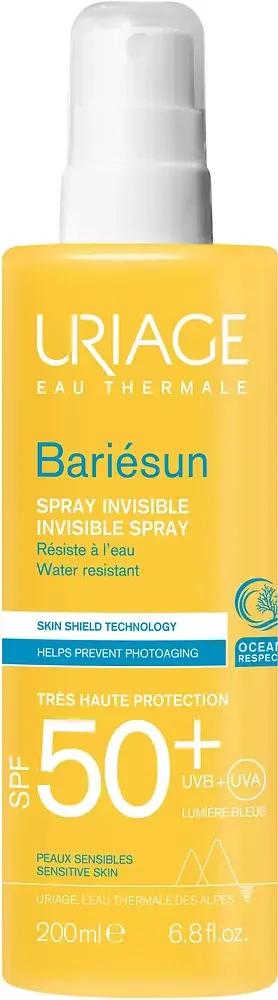
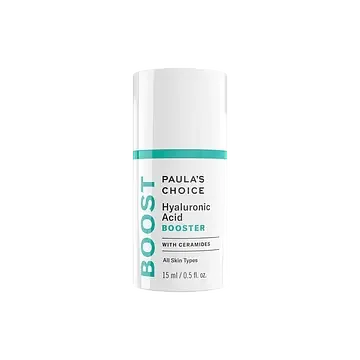
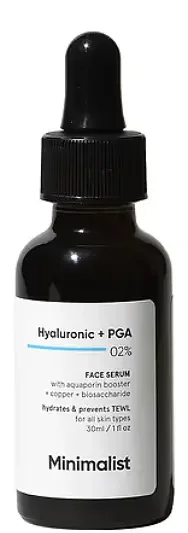
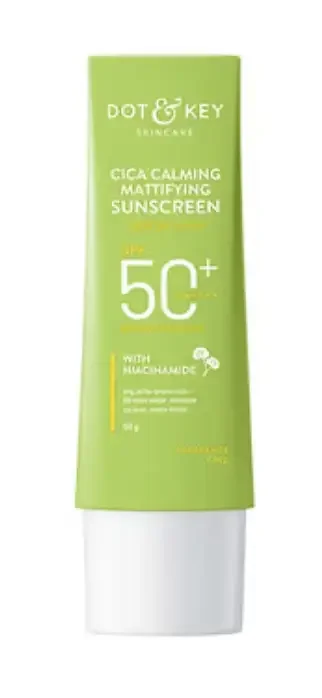
As an Amazon Associate, AllerNote earns from qualifying purchases.
Always scan the actual label before use — formulations change.
What is butylene glycol?
Butylene glycol is a small four-carbon glycol — a colourless, syrupy liquid that multitasks in cosmetic formulas. It's a humectant (pulls water into skin), a solvent (dissolves botanical extracts and actives so they spread evenly), and a slip/viscosity agent (gives toners and lotions their texture).
Chemically it's a cousin of propylene glycol with one extra carbon — and that small difference makes it less sticky and lower-irritation, which is why modern Korean and Japanese skincare leans on it heavily.
Why it's almost never a problem
Safety panels have reviewed butylene glycol repeatedly and rate it safe at the levels used (usually 1–10%). Patch-test contact dermatitis runs well under 0.1% — rarer than propylene glycol or even fragrance. A few notes, none alarming:
- PG cross-reactivity is low. If you've reacted to propylene glycol, butylene glycol is usually a safe try.
- High concentrations (over ~30%) can briefly sting broken skin — mechanical, not allergic.
- "Glycol-free" purism has no scientific basis here — butylene glycol isn't toxic, endocrine-disrupting, or bioaccumulative.
How to use it well
- Don't avoid it for the name — it's one of cosmetic chemistry's gentlest ingredients.
- Expect it in lightweight formulas — toners, essences, gels, sunscreens.
- It's a layering helper — as a solvent it carries other actives in, so a good butylene-glycol toner makes what follows work better.
- Seal in dry climates with a cream/oil on top.
- Try it if PG bothers you.
Alternatives
- Reacted to butylene glycol itself? glycerin, pentylene glycol, sodium PCA.
- Very sensitive skin: sodium PCA, panthenol, hyaluronic acid (near-zero reactions).
- Very dry skin: heavier humectants (glycerin, urea) hold water longer.
The bottom line
Butylene glycol is a featherweight, low-allergy humectant-and-solvent that makes light formulas feel good and helps actives absorb. Ignore the "glycol = bad" myth; if propylene glycol irritates you, this is usually the easy, well-tolerated swap.
Was this article helpful?
One tap tells us what to write more of. No account needed.
Is this ingredient in your products?
Scan any cosmetic product to check for Butylene Glycol and 30+ other allergens instantly.