
Propylene Glycol
A near-ubiquitous solvent and humectant — well tolerated by most, but ACDS Allergen of the Year 2018 and hard to avoid once you react
INCIPropylene Glycol
- Category
- Solvent
- Risk level
- low
- What it does
- Solvent + humectant + penetration enhancer — one of the most versatile cosmetic ingredients
- ACDS recognition
- Named Allergen of the Year 2018 as patch-test positivity rose
- Ubiquity
- Estimated to be in 20–30% of cosmetic and personal-care products, plus many foods and medicines
- Reaction type
- Both a mild irritant (on damaged skin) and a true allergen in sensitised people
Look for these names on ingredient lists
This ingredient may appear under any of these names:
Commonly found in
Possible reactions
- Red, itchy rash at the application site
- Burning or stinging, especially on broken skin
- Dryness or flaking that worsens with use
- Eczema-like patches on the face, neck, or hands
- Lip dermatitis from lip products or toothpaste
Top picks without Propylene Glycol
Highly rated products whose ingredient lists don't include Propylene Glycol.
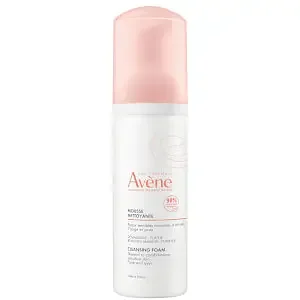
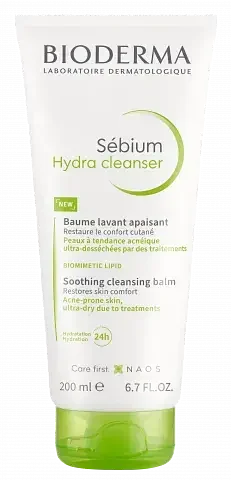
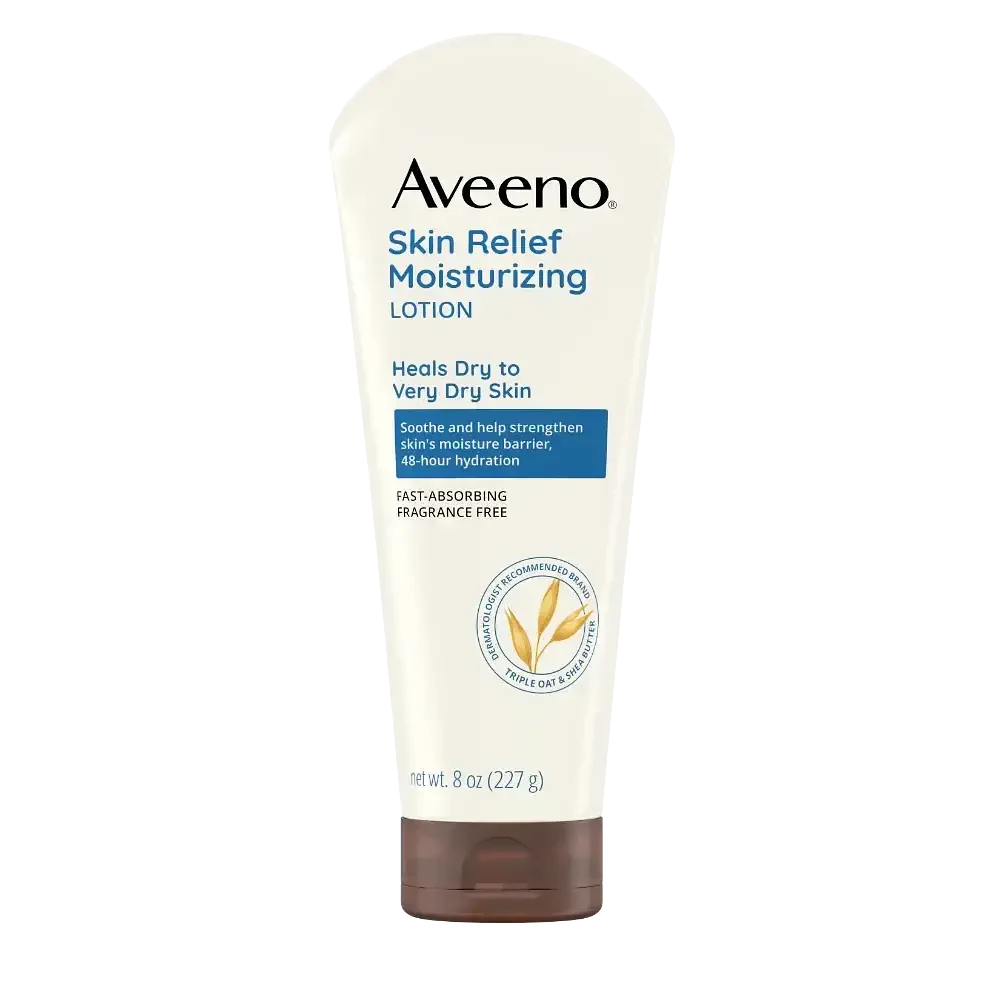
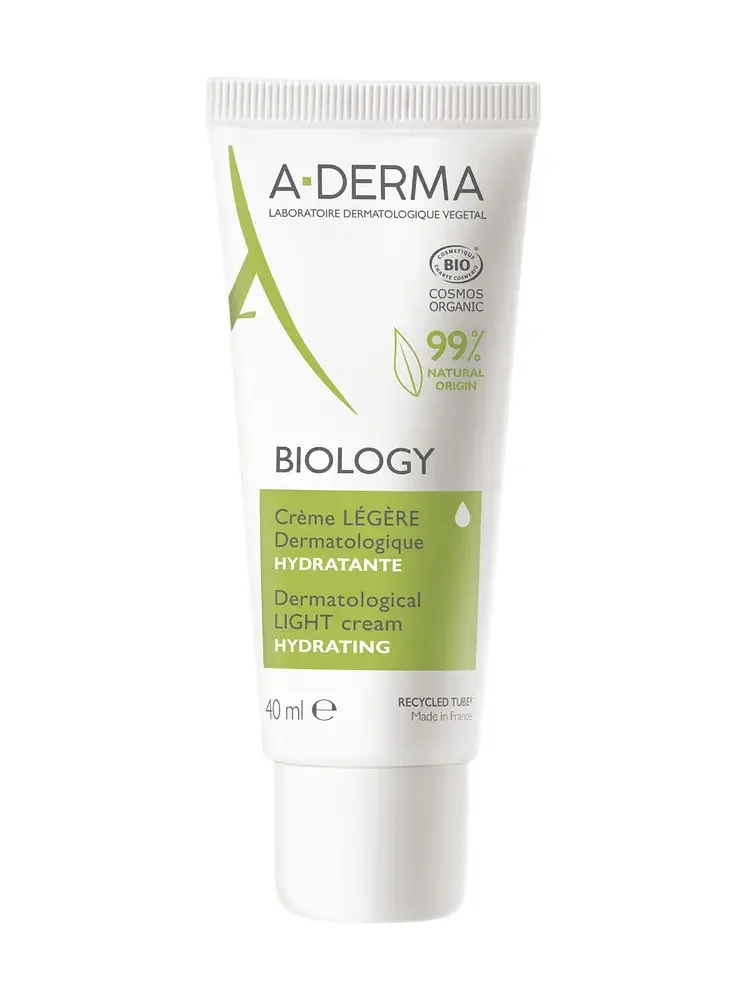
As an Amazon Associate, AllerNote earns from qualifying purchases.
Always scan the actual label before use — formulations change.
Scan a product for this concern
What is propylene glycol?
Propylene glycol (PG) is a colourless, near-odourless liquid that does several jobs at once: it's a solvent (dissolves other ingredients), a humectant (pulls water into the skin), a penetration enhancer, and a preservative booster. That versatility — plus low cost and good tolerability — has made it one of the most common ingredients in personal care, present in moisturisers, serums, makeup, deodorant, toothpaste, hair products, foods, and pharmaceuticals.
For most people, PG is unremarkable and well tolerated. Its importance is for the minority who react — because its sheer ubiquity makes avoidance genuinely difficult.
Why it can cause reactions
PG can cause both irritant and allergic contact dermatitis:
- As an irritant, it can sting or dry out damaged or sensitive skin, especially at high concentrations or under occlusion.
- As an allergen, it sensitises a subset of people over repeated exposure, producing true allergic contact dermatitis. The American Contact Dermatitis Society named it Allergen of the Year 2018 as patch-test positivity climbed — a direct consequence of how widely it's used.
There's also a second-order effect worth knowing: because PG is a penetration enhancer, it can increase the skin's uptake of other ingredients in the same product, which can raise the chance of sensitising to those too.
The avoidance trap
What makes PG frustrating isn't severity — it's reach. If you're PG-allergic:
- it's in an estimated 20–30% of cosmetics,
- it's in toothpaste, deodorant, and many foods, and
- crucially, it's in some topical medicines, including certain steroid creams.
That last point is the classic catch: the cream prescribed to calm your dermatitis can contain the very allergen driving it. This is exactly the situation where checking every product — medicines included — against your profile pays off.
If a PG-allergic patient's rash won't settle despite "doing everything right," the steroid or emollient being used to treat it is worth scanning for propylene glycol. The fix is sometimes a PG-free prescription, not more avoidance elsewhere.
How to spot and avoid it
- Read labels for Propylene Glycol, 1,2-Propanediol, or Propane-1,2-diol — usually in the first half of the list.
- Don't skip the non-cosmetics — toothpaste, deodorant, hair gel, and topical medicines.
- Try related glycols — butylene glycol and pentylene glycol are different molecules most PG-allergic people tolerate.
- Confirm with patch testing if you suspect it; a clear diagnosis makes the wide-ranging avoidance manageable.
Safer alternatives
- Humectants: glycerin, hyaluronic acid/sodium hyaluronate, sorbitol, glycerin-based formulas.
- Glycols: butylene glycol or 1,3-propanediol (a different molecule from propylene glycol).
- Formats: simpler, fewer-ingredient products reduce the chance of PG hiding in the mix.
The bottom line
Propylene glycol is a safe, useful, extremely common ingredient for most people — and a genuinely awkward one for the minority who are allergic, precisely because it's everywhere, including in some of the creams meant to treat skin. If you're PG-sensitive, the job is thorough scanning (medicines included) rather than fear of the ingredient itself.
Was this article helpful?
One tap tells us what to write more of. No account needed.
Is this ingredient in your products?
Scan any cosmetic product to check for Propylene Glycol and 30+ other allergens instantly.
References & further reading
- Propylene glycol: Allergen of the Year 2018 Dermatitis (ACDS)
- Propylene glycol allergy — overview DermNet